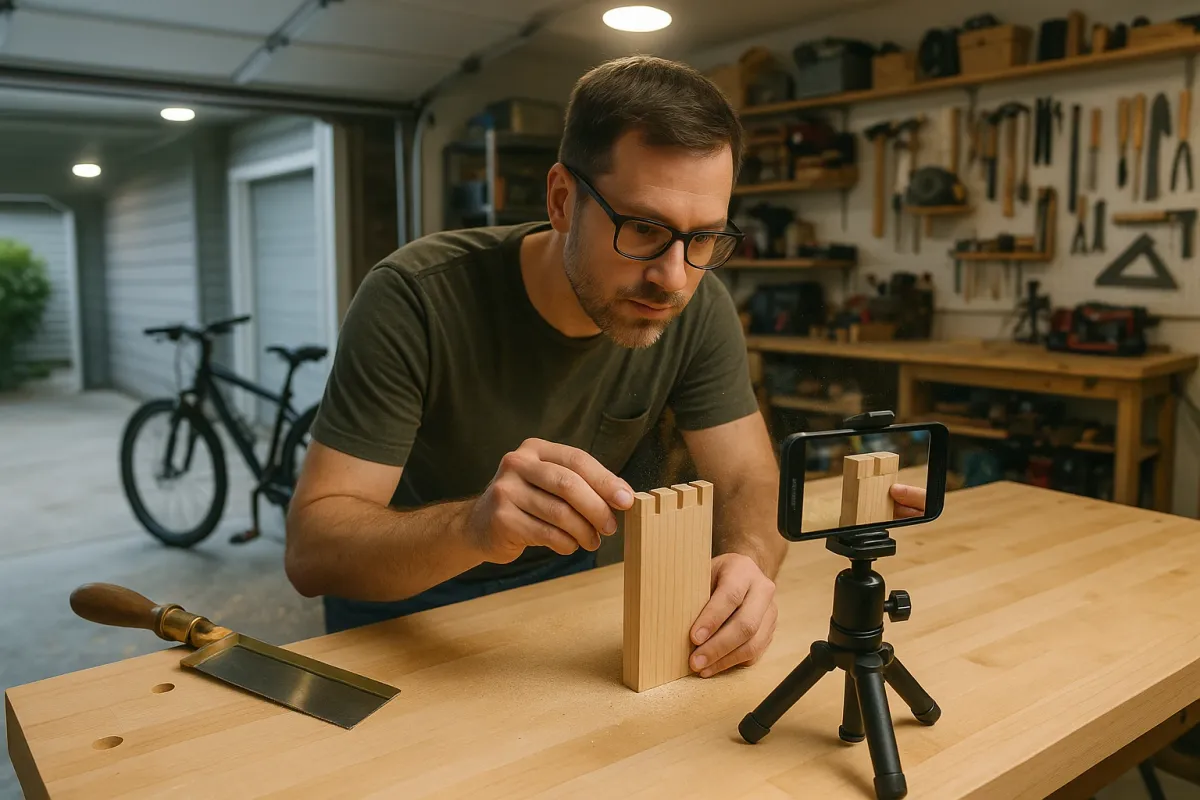
The internet is currently captivated by a wave of astonishing woodworking projects—meticulously carved furniture, seamless joinery, and custom pieces that look more at home in a gallery than in a workshop. Features like the viral collection “50 Times People Made Something Amazing Out Of Wood” have turned the world’s attention to craftsmanship, precision, and the quiet luxury of well‑made materials.
Yet for many homeowners, the only wood they see every day is the garage door panel that’s starting to warp, crack, or peel. While social media celebrates artisan timber, countless garages are quietly decaying in plain sight—exposed to moisture, UV, and mechanical stress with little more than a yearly glance. Today, as finely crafted woodwork trends online, it’s the perfect moment to bring that same standard of care and attention to the most overlooked wooden structure on your property: your garage.
Below are five exclusive, detail‑driven insights that treat your garage with the same respect a master woodworker gives their finest piece.
1. Treat Your Wooden Garage Door Like Fine Furniture, Not Exterior Trim
The viral woodworking projects making the rounds right now share one thing: respect for the material. Every board is selected, sealed, and finished with intention. Your wooden garage door deserves the same philosophy. Instead of treating it as bulk exterior trim, think of it as a giant, weather‑exposed piece of fine furniture that moves several times a day.
Start by upgrading from generic exterior paint to a high‑quality marine‑grade or furniture‑grade finish system—primer, sealer, and topcoat engineered for UV resistance and movement. Where a budget door might get a quick spray, opt for a meticulously layered finish: sand between coats, fill hairline checks with flexible wood filler, and pay special attention to end grain (the most absorbent, and therefore the most vulnerable). If you have genuine wood panels, a clear or semi‑transparent finish can reveal the grain in a way that nods to the craftsmanship currently trending online, while still protecting the surface. The difference is more than aesthetic: a refined finishing system can easily double the service life of a wooden garage door.
2. Moisture Management Is the Master Joinery of Garage Maintenance
In those extraordinary woodworking builds, you’ll notice a quiet obsession with joinery—how pieces come together, how they move, and how they avoid trapping moisture. Your garage needs the same level of thought, especially at its most vulnerable junctions: the bottom seal, side jambs, and threshold.
Instead of waiting for rot to appear, treat moisture like a design problem. Inspect the bottom weather strip at least twice a year; if it’s hardened, cracked, or flattened, you’re effectively inviting water into your garage. Upgrade to a commercial‑grade, UV‑resistant rubber seal and pair it with an aluminum retainer that can be replaced without touching the door panels. At the side jambs, use high‑quality door stop weatherstripping with a flexible bulb that compresses gently, rather than over‑tight foam that distorts the door. For garages in wet or coastal climates, consider a low‑profile, bonded threshold system that creates a precise, smooth contact line, just as a cabinetmaker would engineer a perfect mating surface. These details don’t just keep water out—they protect your slab, your stored tools, and the structural base of your door from slow, expensive deterioration.
3. Balance and Tension: The Invisible Precision Behind a Quiet, Premium Door
While social feeds are celebrating the precision of hand‑cut dovetails and flawless inlays, there’s an equally critical—but unseen—precision in your garage: spring balance, cable tension, and track alignment. A perfectly tuned door moves with the same controlled grace you see when a craftsman opens a perfectly fitted drawer.
If your door jerks, shudders, or stops unevenly, you’re not just dealing with an annoyance; you’re watching misalignment turn into accelerated wear. A skilled technician will measure the door’s weight, match it to the correct spring torque, and set cable tension so each side lifts in unison. Tracks should be plumb and parallel with no twist, and rollers should glide quietly rather than rattle. Ask your service provider to perform a “balance test”: with the opener disconnected, the door should stay in place when lifted halfway, not crash down or soar upward. This single test reveals whether your door is working like a balanced, finely tuned mechanism—or slowly pulling itself apart. That level of calibration is the difference between a door that lasts five years and one that performs beautifully for decades.
4. Hardware Upgrades: Curating Components the Way Designers Curate Fixtures
In the same way the best wood projects are elevated by thoughtfully chosen hardware—solid brass pulls, hidden hinges, custom brackets—your garage benefits enormously from curated, not generic, hardware. Most garages are built with commodity‑grade components that are functional but far from refined. Upgrading them transforms the daily experience of using your garage.
Start with the hinges and rollers. Swap builder‑grade stamped hinges for heavy‑duty, corrosion‑resistant options with precision‑drilled holes and thicker gauge steel. Replace plastic or low‑quality metal rollers with sealed, ball‑bearing rollers that run quietly and require minimal lubrication. On the aesthetic side, consider architectural‑grade handles and strap hinges for carriage‑style doors, choosing finishes that echo your front door or exterior lighting. Internally, ask for nylon‑lined or powder‑coated torsion springs in coastal or high‑humidity environments. None of these choices are loud or ostentatious; instead, they deliver the sort of quiet, tactile quality that design‑conscious homeowners expect everywhere else in their home.
5. The “Maker’s Mindset” Inspection: Looking at Your Garage Like a Craftsperson
The most striking thing about the current wave of viral woodworking isn’t the complexity of the projects—it’s the mindset: patient observation, micro‑level corrections, and an insistence on getting the small things right before the big reveal. Bringing that maker’s mindset into your garage once or twice a year can prevent the slow drift into disrepair.
Set aside 20–30 minutes and walk your garage as though you’re inspecting a commissioned piece. Run your hand along the door edges and panels; feel for raised grain, hairline cracks, or soft spots that indicate moisture penetration. Watch the full open‑and‑close cycle: is the door tracking straight, does it seal evenly at the floor, is the sound smooth or slightly abrasive? Look at the ceiling—are the mounting brackets rigid and square, or sagging and twisted? Examine the opener rail and belt or chain for fraying, rust, or misalignment. Note even the minor irritations: a delayed sensor, a hesitating light, a tiny gap at the corner. Then, much like a craftsperson’s punch list, address them systematically. This disciplined, detail‑first approach turns garage maintenance from reactive repair into curated stewardship.
Conclusion
As the world admires masterful woodwork and celebrates the patience and skill behind each project, there’s an opportunity to bring that same reverence home—to the one wooden structure you see nearly every day. A garage cared for with a craftsperson’s eye feels different: the door glides instead of grinds, the hardware looks intentional, the wood feels protected rather than exposed.
In an era when craftsmanship is finally getting the attention it deserves online, let your garage reflect the same standard. Treat it as a piece worth preserving, not simply a gap in the wall that happens to close. With thoughtful finishes, precise mechanics, curated hardware, and a maker’s mindset, your garage becomes more than storage—it becomes a quiet, impeccably maintained extension of your home’s most refined spaces.
Key Takeaway
The most important thing to remember from this article is that this information can change how you think about Maintenance.