Public art is quietly having a moment. Bored Panda’s recent feature, “50 Sculptures Around The World So Unbelievable They’ll Leave You Wondering How They Even Exist,” has been shared relentlessly—not because people suddenly care about statues, but because these installations transform ordinary streets into destinations. Cities from Chicago to Seoul are investing in statement pieces that reframe how we move, pause, and experience space.
Your garage may never anchor a plaza in Copenhagen, but the same design language that makes those sculptures so arresting can—and should—inform how you light, finish, and upgrade the most overlooked square footage on your property. If global cityscapes are being elevated by art and light, there is no reason your garage should remain a fluorescent afterthought.
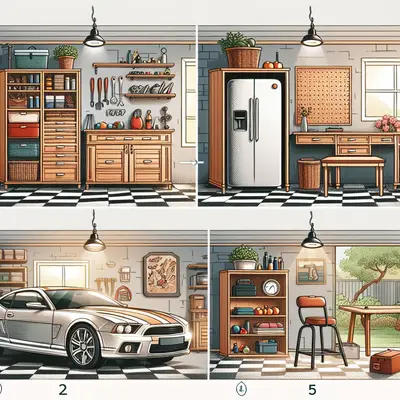
Below are five refined, architecture‑inspired upgrade insights that turn a basic garage into a composed, gallery‑worthy extension of your home.
Sculptural Lighting That Elevates, Not Just Illuminates
The most striking sculptures in today’s headlines aren’t merely objects; they are experiences orchestrated through light. Think of how LED wash lighting makes a steel form glow after dark, or how a carefully placed spotlight carves shadow and dimension into stone. Your garage deserves the same intention.
Replace ceiling‑mounted bare bulbs or utilitarian strip lights with a layered lighting plan. Begin with a continuous, dimmable LED perimeter channel along the ceiling or high on the walls. This indirect “floating” light instantly softens the space and recalls gallery architecture. Add high‑CRI task lighting over the workbench and car‑care zone to ensure accurate color when mixing paint or inspecting finishes. Finally, consider a single sculptural fixture—sleek linear pendants over a detailing bay, or a minimalist disc above the entry from the house—to signal that this is a designed environment, not a storage shed. With smart controls, you can dial in a soft ambient glow that feels more like a boutique showroom than a utility room.
Wall Finishes That Behave Like a Gallery, Not a Garage
Many of the installations highlighted in the viral sculpture roundup sit against impeccably curated backdrops—matte concrete, quiet stone, or exquisitely neutral render. The art commands attention because the architecture has the discipline to step back. Your vehicles, tools, and bikes can be treated with similar respect.
Ditch the patchwork of pegboard, exposed studs, and random shelving. Opt for a unified wall system: flush, impact‑resistant panels in a refined matte finish, or a continuous slatwall in a single sophisticated tone—think warm greige or deep graphite rather than “contractor white.” Integrated channels and hidden fasteners keep hooks, bins, and shelves flexible without visual clutter. For the most visible wall—often the one facing the door to the house—treat it as you would a feature wall indoors: a fine‑textured plaster effect, limewash‑style paint, or even large‑format porcelain panels if the budget allows. The result is a calm, gallery‑like background that instantly makes stored items feel intentional rather than chaotic.
Floors Inspired by Urban Plazas, Engineered for Real Life
Look closely at the urban spaces currently going viral: plazas paved in large slabs, subtle patterning, and carefully chosen textures that can handle crowds yet remain photogenic. Your garage floor can borrow that language while outperforming bare concrete in durability and maintenance.
Move beyond basic epoxy kits. A high‑build polyaspartic or polyurethane coating system, professionally installed, offers superior UV resistance, rapid cure times, and greater scratch resistance. Specify a muted, stone‑inspired palette instead of the typical “flake confetti” look—soft mottled greys, Belgian‑blue undertones, or warm taupe. For a more architectural aesthetic, consider porcelain pavers rated for garages, laid in a large‑format grid or herringbone pattern, with expansion considered at the design stage. Add a recessed, grated trench drain at the threshold if you live in a snowy or rainy climate; it delivers the kind of detail you see in high‑end auto galleries, quietly managing water while keeping the floor pristine.
Storage That Disappears, Showcases What Matters
The best public sculptures often appear effortless because everything around them is meticulously controlled—wiring buried, utilities concealed, sightlines choreographed. A premium garage should treat storage with the same rigor: hide what’s mundane, highlight what’s meaningful.
Trade open, mismatched shelving for full‑height cabinetry with flush doors and integrated pulls. Specify finishes that echo or complement your interior millwork—riftsawn oak veneer, matte lacquer, or anodized aluminum—so the garage feels like a natural extension of the home. Inside, use custom inserts for tools, detailing products, and seasonal gear, so there is a precise location for everything. Then, deliberately carve out one “display bay”: perhaps an illuminated niche for a prized bicycle, a vintage tool collection, or a single vehicle. Accent lighting within this bay (wall washers or discreet track heads) turns a functional necessity into a statement, just as a museum isolates a key piece with light and space.
Thresholds That Feel Curated, Not Compromised
One reason so many of those global sculptures photograph beautifully is the way they’re approached: carefully framed paths, considered transitions, and a distinct sense of arrival. Your garage has multiple thresholds—the driveway entrance, the door into the house, even a side garden access—that can be upgraded from purely functional to quietly luxurious.
At the exterior, pair a high‑performance insulated garage door with a refined surface—flush panels with vertical grooves, aluminum and glass with frosted lites, or timber‑look composite with minimal hardware. Add linear LED lighting along the drive edge or soffit to echo contemporary urban installations and guide vehicles effortlessly after dark. Inside, treat the door from the garage to the house with the same respect as a main entry: solid core, upgraded hardware, perhaps a soft‑close closer rather than the usual jarring spring. A slim console shelf or built‑in bench just inside the door creates a decompression zone, signaling that you’re leaving the “atelier” of the garage and entering the domestic calm of the home.
Conclusion
As cities invest in sculptural landmarks and immersive public art, they’re embracing a truth that translates directly to your property: environments shape behavior, mood, and even pride of ownership. The garages that feel truly elevated right now borrow cues from those global design moments—architectural lighting, disciplined backdrops, thoughtful transitions—while remaining uncompromisingly practical.
By treating your garage as a curated space rather than an afterthought, you create a private “urban plaza” at home: a place where daily routines—parking, projects, seasonal storage—unfold against a backdrop of quiet luxury. The sculptures filling your social feed may be thousands of miles away, but the design principles behind them can—and should—inform the next upgrade just beyond your driveway.
Key Takeaway
The most important thing to remember from this article is that this information can change how you think about Upgrades.