When a Herman Miller Aeron chair becomes the protagonist of a workplace scandal and ends with a co‑worker in handcuffs, you know maintenance—and ownership—have entered the cultural chat. The recent viral story of a new employee whose $1,800 ergonomic chair kept “disappearing” from his cubicle, only to be reclaimed with police involvement, is more than internet drama. It’s a reminder that in a world of disposable everything, premium items are fiercely protected, meticulously maintained, and increasingly documented.
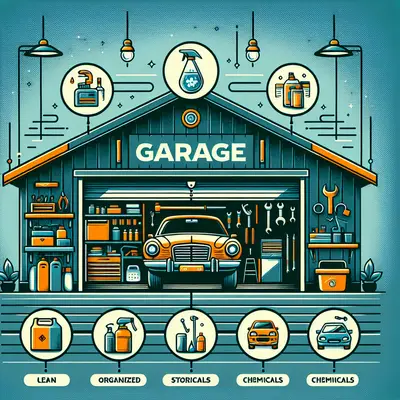
Your garage is quietly full of its own “Aeron chairs”: high‑end tools, performance jacks, smart openers, EV chargers, and storage systems whose value often exceeds what you’d ever casually leave at the office. As that chair saga showed, the more valuable the item, the more intentional you must be—not only about security, but about care. Below, we translate the lessons from that office‑chair meltdown into five refined, maintenance‑focused insights for homeowners who treat their garage like the mechanical heart of their home, not an afterthought.
1. Document Like a Pro: Your Garage’s “Asset Register” Is No Longer Optional
In the office‑chair incident, the new hire had one luxury most homeowners neglect: proof. He had the receipt, model information, and clear documentation establishing the chair as his personal property. That simple discipline became his shield when things escalated to security and, ultimately, the police.
Treat your garage the same way a discerning collector treats a watch safe. Create an asset register for your most important pieces:
- Log serial numbers for your premium tools, compressors, welders, and smart openers.
- Photograph items in situ—on racks, in cabinets, connected to power—just as you’d document art on a wall.
- Store digital receipts and warranties in a cloud folder named something unequivocal: “Garage Assets – Receipts & Warranty.”
- For custom installations (epoxy floors, built‑ins, overhead lifts), keep the contractor’s proposal, final invoice, and maintenance schedule together.
This isn’t paranoia; it’s stewardship. If a contractor misplaces equipment, a tenant “borrows” a tool permanently, or a theft occurs, your ability to prove what you had—and its condition—directly affects what you recover, from insurance claims to warranty service. The office chair story went viral because one person had receipts; in the private world of your garage, that same level of preparation is the difference between an inconvenience and a quiet, efficient resolution.
2. Treat Your Garage Door Like the Office Chair’s Lumbar Support: Subtle, But Mission‑Critical
The Herman Miller Aeron isn’t just expensive; it’s engineered. Its genius lies in the invisible details—tension, tilt, lumbar support—that you only notice when they fail. Your garage door system works the same way. When it’s tuned, it’s almost silent background convenience. When it’s not, it announces itself with every shriek, slam, and shudder.
Elevated homeowners schedule garage door maintenance with the same regularity they give their vehicles:
- Quarterly balance check: Disconnect the opener and lift the door by hand halfway. If it drifts up or slams down, your springs are out of calibration—an elegant way of saying “dangerous and overworked.”
- Hardware refinement: Once or twice a year, tighten hinge bolts, bracket screws, and track fasteners. Use a torque‑controlled driver rather than “tight by feel” to avoid stripping hardware.
- Selective lubrication: High‑quality silicone or lithium grease on rollers, hinges, and pulleys—but never on the tracks themselves, which should be kept clean, dry, and true.
- Weather seal evaluation: A premium threshold and bottom seal transform a drafty, dust‑ridden garage into a controlled environment worthy of your best equipment.
What the office chair taught office workers about ergonomics, your garage door can teach you about mechanical grace. A door that moves with quiet precision doesn’t just feel luxurious; it extends the life of every component in the system, from springs to opener gears.
3. Boundaries, Borrowing, and the “Do Not Touch” Zone: Curating Access to Your Space
The office saga spiraled because one person felt entitled to someone else’s property. In many households, the garage is where this entitlement quietly plays out: neighbors borrowing tools indefinitely, relatives parking wherever they wish, kids reorganizing shelves in ways that would horrify a methodical mind.
A premium garage operates on curated access, not open chaos:
- Define protected zones. Dedicate one bay, one wall, or one cabinet to “Do Not Borrow” items—precision tools, diagnostic equipment, calibration devices, premium jack stands. Label it discreetly but unmistakably.
- Use lockable storage wisely. Not everything needs to be under key, but your torque wrenches, battery chargers, specialty saws, and measurement tools deserve the same respect as a high‑end laptop.
- Set family rules. Establish simple, non‑negotiable principles: tools are returned to their exact location, vehicles are parked with alignment markers, and benches are cleared after each use.
- Monitor with intention. A small, well‑placed camera—much like office security footage backing up the chair owner’s claims—adds accountability without turning your garage into a surveillance bunker.
This isn’t about distrust; it’s about preserving calibration and order. When your garage is tuned for function and elegance, unstructured access is the fastest way to devolve from “private workshop” to “shared dumping ground.” Boundaries are a form of maintenance.
4. Comfort as a Maintenance Strategy: Climate, Cleanliness, and the Willingness to Care
One underappreciated detail in the chair drama: the thief didn’t covet the brand; he coveted the comfort. He wanted to sit better, longer. The same principle applies to your garage. If the environment is harsh—too hot, too cold, dimly lit, or perpetually dusty—you simply won’t maintain it. You will abandon it.
The most meticulously kept garages share a quiet secret: they’re comfortable enough to invite care.
Consider upgrading:
- Temperature control: A modest mini‑split, radiant heater, or well‑designed ventilation maintains a stable environment, protecting everything from lithium‑ion batteries to delicate finishes.
- Lighting as architecture: LED strips along the ceiling, task lighting above benches, and clean, high‑CRI bulbs make it easier to inspect tools, spot leaks, and read part numbers without strain.
- Floor refinement: A sealed or epoxy‑coated floor isn’t about aesthetics alone. It makes spills visible, sweeping effortless, and moisture infiltration easier to spot early.
- Dust and debris discipline: Install a wall‑mounted shop vacuum and commit to a weekly 10‑minute sweep. The simple ritual of cleaning reinforces respect for the space.
The office worker fought for his chair because good posture and comfort are worth defending. When your garage offers that same sense of intentional comfort, maintenance stops feeling like a chore and starts feeling like care for a curated environment.
5. The High‑Value Mindset: Service Schedules for Tools, Not Just Cars
The Aeron chair is designed for endurance—but even premium office furniture comes with cleaning guidelines, adjustment recommendations, and instructions to maintain its mesh and mechanics. Your garage equipment is no different, yet many homeowners only think in terms of “it works” or “it’s broken.”
Elevated maintenance means assigning service intervals to the very tools and systems you rely on:
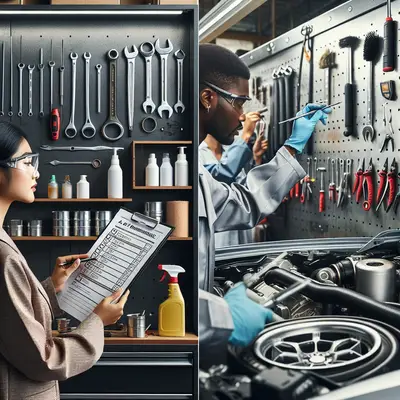
- Power tools: Mark an annual date to inspect cords, replace brushes where applicable, lubricate moving parts, and clean dust‑choked vents. Treat them like you would a well‑used engine.
- Air systems: Drain compressor tanks regularly, inspect hoses for micro‑cracks, and verify regulator accuracy with a known‑good gauge. Moisture and neglect are silent killers here.
- Battery ecosystems: For cordless platforms, track battery age, avoid deep discharges, and store packs in a temperate zone—not on a freezing floor or in direct summer heat.
- Storage systems: Tighten racking anchors, verify ceiling‑mounted systems are still level and secure, and re‑balance heavy loads so nothing is overstressed.
- Smart technology: Update firmware for openers, cameras, and EV chargers. A single patch can add safety features, close security gaps, or improve reliability.
The moral the internet took from the $1,800 chair fiasco was “respect people’s property.” For the discerning homeowner, the deeper lesson is this: the more refined the equipment, the more deliberate the care it requires. Maintenance is not a reaction; it’s a philosophy.
Conclusion
An office argument over a luxury chair may seem far removed from your garage, but the underlying themes—proof of ownership, respect for premium equipment, boundaries, comfort, and disciplined care—translate seamlessly to the most mechanically sophisticated room in your home.
If a single ergonomic chair can justify documentation, protection, and even law‑enforcement involvement, your garage—a concentrated collection of machinery, infrastructure, and investment—deserves nothing less than a curated, maintenance‑first approach. By treating your space with that same level of intentionality, you don’t just prevent breakdowns; you elevate your garage into a refined, resilient environment where every component feels as considered as that $1,800 seat.
Key Takeaway
The most important thing to remember from this article is that this information can change how you think about Maintenance.