In a week where social feeds are flooded with extreme makeovers, body transformations, and aspirational aesthetics, one quiet transformation rarely makes the headline reel: the garage door. While “before and after” photos of living rooms and wardrobes dominate, your garage door remains the largest, most visible moving surface of your home—and one of the most overlooked.
As viral trends celebrate dramatic “glow‑ups” (from 26 inspiring body transformations to 27 life‑changing dog adoptions), discerning homeowners are asking a subtler question: what does a genuinely elevated, long‑term upgrade look like when applied to the gateway of your home? Not a gimmick, not a trend, but a calm, flawless, mechanically sound entrance that feels as refined as it looks.
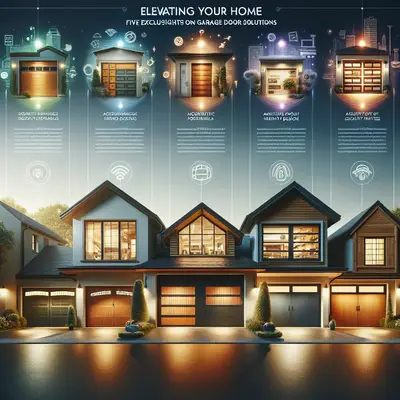
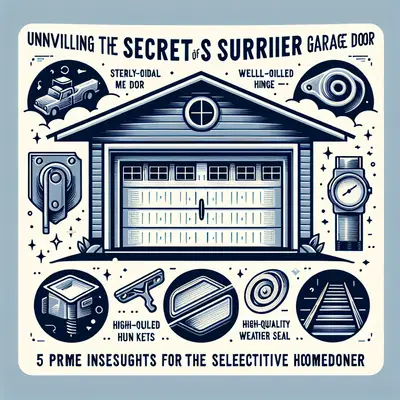
Below, we distill five exclusive, expert‑level insights for homeowners who are ready to treat their garage door with the same intention—and quiet luxury—you see in today’s most carefully curated spaces.
1. The New “Transformation” Standard: Silence Is the Real Status Symbol
Social media celebrates visible transformation—dramatic paint changes, bold cladding, intricate trim. In high‑end garages, however, the most coveted upgrade isn’t what you see; it’s what you don’t hear.
A well‑engineered system should close with a muted, confident glide—not a rattle, shudder, or metallic groan. If your door thuds, vibrates, or resonates through the house, it’s broadcasting a lack of refinement and, often, underlying mechanical imbalance. Precision‑tuned torsion springs, properly tensioned cables, and correctly aligned tracks convert movement into a smooth, controlled motion that feels almost hydraulic. Pair that with a belt‑drive or wall‑mount (jackshaft) opener, and your daily arrival becomes more like an executive lounge entrance than a service door clanging shut.
For homeowners already investing in premium windows, doors, and insulation, leaving the garage door loud and unrefined is the architectural equivalent of slamming a luxury car door out of alignment. The truly modern “after” photo includes an upgrade you can hear—or rather, not hear—every single day.
2. Thermal Performance Is the New Curb Appeal (You Just Don’t See It on Instagram)
Articles celebrating dramatic life changes often gloss over the quiet discipline behind them. Your garage is no different. A visually upgraded façade means little if the space behind it is a thermal liability.
Premium garage doors now function as a critical part of the home’s energy envelope—especially in homes where the garage is attached, houses a gym, office, or workshop, or sits beneath living space. High‑density polyurethane insulation, properly sealed perimeter weatherstripping, and a thermally broken frame can transform the garage from a temperature sink into a buffered, usable extension of the home.
If your garage feels punishingly hot in summer and glacial in winter, it’s not just discomfort; it’s a sign of poor door construction or failed seals. Watch for brittle bottom seals, daylight between panels, or drafts along the jambs. An insulated, well‑sealed door can reduce temperature swings dramatically, ease the load on adjacent HVAC zones, and protect stored items, finishes, and even vehicles from condensation and extreme shifts.
In the quiet hierarchy of luxury, comfort always outlasts spectacle. A door that looks good but hemorrhages heat is a temporary makeover, not a long‑term transformation.
3. Hardware Is the “Tailoring” Your Door Is Probably Missing
Viral posts about fashion or body transformations often come down, in the end, to fit and tailoring. Garage doors are no different: the hardware you never see determines how gracefully the entire system performs.
Most production homes are delivered with basic hardware—adequate for a time, but rarely calibrated for longevity. Premium performance begins with correctly rated torsion springs sized to the exact door weight, not just “roughly suitable.” Undersized or poorly balanced springs make the opener strain, shortening its life and producing jerky movement. Upgraded rollers—preferably nylon with sealed bearings—reduce friction and noise while protecting the track from wear. Reinforcement struts across wide doors (especially double‑wide aluminum or glass units) prevent subtle sagging that leads to misalignment and premature panel fatigue.
If your door hesitates at mid‑travel, coasts down too quickly, or refuses to stay open without the opener, you’re seeing the mechanical equivalent of an ill‑fitting suit: everything technically “works,” but nothing feels refined. A professional balance test and hardware assessment can turn an ordinary door into a precisely tailored entrance that operates with effortless composure.
4. True Security Goes Far Beyond a Strong Lock
While online debates swirl around parenting, privacy, and personal boundaries, many homes leave one of their largest security vulnerabilities almost unexamined: the garage door. For intruders, a neglected or outdated system is an invitation.
Modern security begins with the opener itself. If yours predates rolling‑code technology or still operates on fixed DIP‑switch settings, it is functionally obsolete and far easier to exploit. Contemporary openers use advanced encryption, automatic lock features, and event logs—giving you traceability as well as access control. Smart openers connected through secure apps let you confirm, from anywhere, that the door is closed, receive alerts on unexpected movement, and grant temporary access without distributing physical remotes.
On the physical side, look for reinforced top brackets, secure track mounting, and properly anchored jambs. A door with a lightweight skin but no structural reinforcement is vulnerable to forced entry or wind load. For homes in storm‑prone regions, impact‑rated or wind‑rated doors are no longer a luxury—they’re a structural requirement that also enhances day‑to‑day peace of mind.
The sophisticated standard today is simple: if you would not accept outdated locks on your front door, you should not tolerate legacy security on the largest moving barrier to your home.
5. A Garage Door Is a System—And It Ages Like One
Viral “before and after” content tends to compress time into a neat, satisfying arc. Real homes age more quietly. If your garage door is more than 10–15 years old and has never had a comprehensive inspection, it is likely carrying hidden fatigue—springs near the end of their cycle life, fatigued hinges, or opener logic boards operating on borrowed time.
High‑end maintenance treats the door, opener, sensors, and safety features as a single, interdependent system. Annual or biannual service should include spring cycle estimates, cable fray checks, roller and hinge inspection, track alignment, opener force calibration, and safety reversal testing with both physical obstruction and photo‑eye interruption. Even the door’s finish—including seals around glass lites and panel joints—contributes to longevity by resisting moisture intrusion that can warp panels or corrode hardware.
Homeowners accustomed to scheduling regular service for their vehicles, HVAC systems, and luxury appliances often overlook the garage door—despite using it more frequently than any formal entry. Bringing the door into your home’s maintenance calendar is not an indulgence; it is the difference between a planned, elegant upgrade and a chaotic failure that strands your car or compromises security at the least convenient moment.
Conclusion
In a digital landscape obsessed with instant “after” shots, the most sophisticated homes are investing in something deeper: quiet, reliable, impeccably engineered movement at the threshold of daily life.
A truly elevated garage door is not just a pretty panel facing the street—it is a silent arrival, a stable interior climate, a secure barrier, and a precisely tuned system that ages gracefully rather than dramatically failing. As the culture fixates on visible transformations, the most discerning homeowners are refining the unseen mechanics that make their homes feel composed, protected, and genuinely premium.
When you are ready to upgrade, don’t ask only, “How will this look in a photo?” Ask, “How will this sound, feel, and perform—day after day, year after year?” That is where quiet luxury begins, and where an exceptional garage door proves its worth.
Key Takeaway
The most important thing to remember from this article is that this information can change how you think about Garage Doors.