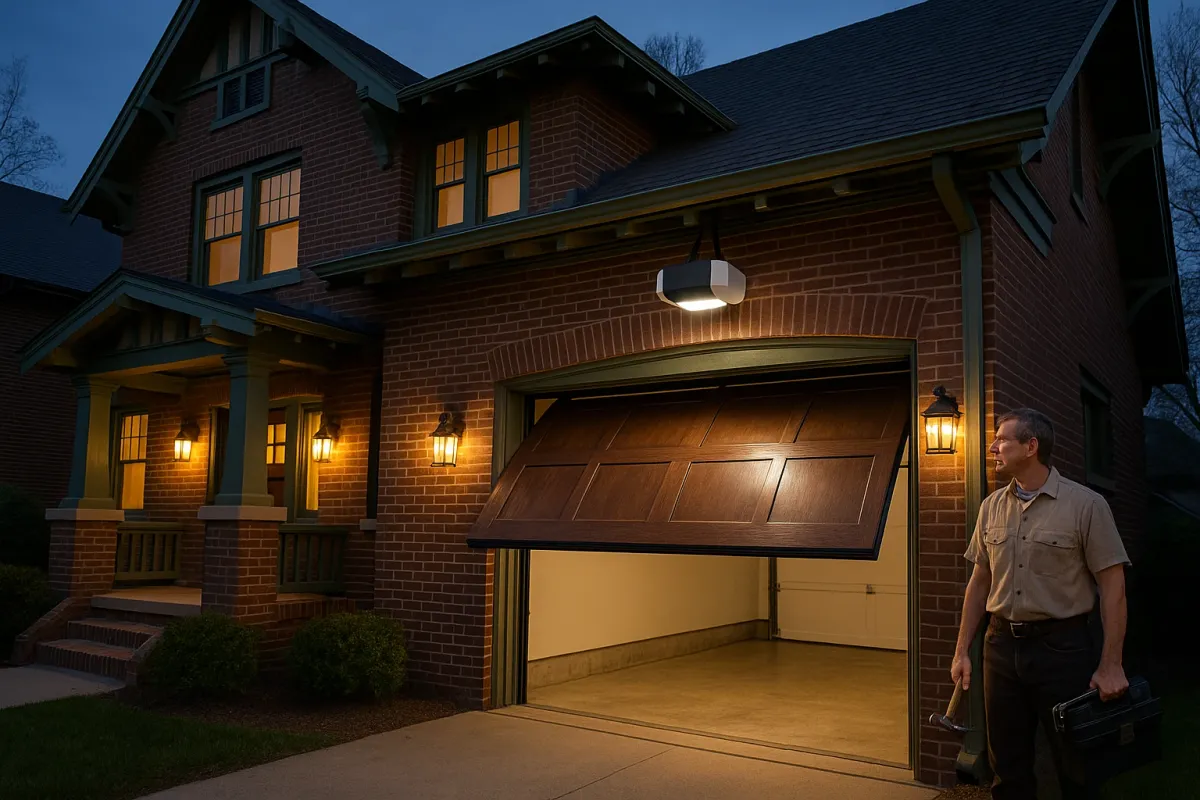
In a week when “Beautiful Old Houses” and their enduring craftsmanship are captivating feeds across the internet, one detail consistently gets left out of the conversation: the garage. While Bored Panda’s viral feature on century-old homes celebrates hand-carved wood, forged iron, and meticulous joinery, many of today’s homeowners roll up a flimsy, rattling door every morning that would look embarrassingly out of place next to such architectural grace.
Yet the same principles that allowed those historic houses to age beautifully—precision, material integrity, and thoughtful maintenance—apply exquisitely to your garage door. The difference between a loud, temperamental door and a smooth, gallery‑worthy entrance is rarely luck. It’s design, execution, and care.
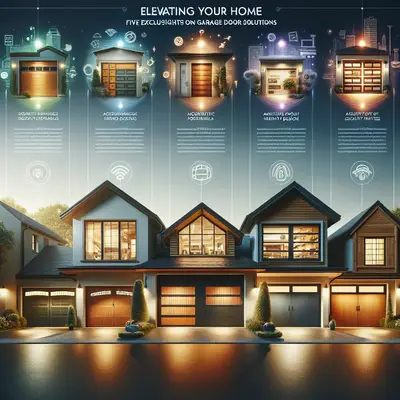
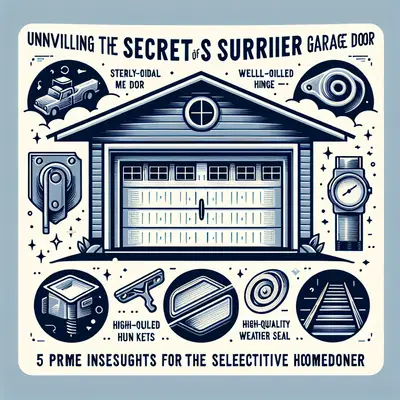
Below are five refined, often-overlooked insights that can quietly transform your garage door from a necessary utility into a piece of everyday craftsmanship worthy of the homes dominating today’s trending architecture posts.
1. The “Heritage House” Secret: Weight, Balance, and Why Your Door Sounds Cheap
One hallmark of the old houses currently trending online is how their doors feel: substantial, balanced, reassuringly heavy yet easy to move. Your garage door should evoke the same sensation—despite its size and weight.
Most modern overhead doors weigh between 130–300 pounds, yet when correctly balanced, they should be operable by hand with one arm and should not drift open or closed when left halfway. If your door slams shut, creeps upward, or feels erratic, this is the architectural equivalent of a skewed front door on a historic townhouse: it instantly cheapens the experience.
Refined homeowners often overlook that:
- Torsion springs are the “counterweights” of your garage. Like the concealed counterweights in vintage sash windows, these springs invisibly carry most of the door’s weight. When they’re poorly sized, fatigued, or improperly tensioned, you’ll hear it before you see it—groaning openers, harsh starts and stops, and increased vibration.
- An imbalanced door ages everything faster. Your opener motor, drive system, and even your tracks are forced to fight the door’s weight on every cycle. A quality opener installed on an unbalanced door is like putting performance tires on a car with a bent frame.
- A balance test is the most “luxurious” five-minute check you can do. With the door closed, pull the emergency release, lift manually to mid-height, and let go. A properly balanced door should hover close to position. Anything else is a subtle distress signal.
When a professional adjusts or replaces springs to achieve perfect balance, the difference is immediate and surprisingly elegant: the opener runs quieter, the vibrations soften, and the entire movement begins to feel more like a curated mechanism than a chore.
2. Why Old-World Joinery Inspires Modern Panel Choices (And How Yours Is Probably Wrong)
The fascination with historic homes online largely centers on materials and joinery—thick millwork, deep profiles, real wood grain that catches the light. Modern garage doors frequently miss this artistry, defaulting to thin, overstamped panels that look acceptable from 40 feet but uninspired up close.
For a premium result, think of your garage door not as “hardware” but as exterior millwork on a grand scale:
- Panel design should echo your architecture, not fight it. A Craftsman bungalow trending on social media with exposed rafters and divided-light windows calls for a carriage-style door with vertical boards and maybe simulated hinges—not a flat steel slab. Conversely, a minimalist contemporary facade is elevated by a smooth, flush, or full-glass door with minimal ornament.
- Depth matters. Historic doors have visual depth: rails, stiles, and panels create shadow lines. On modern doors, raised or recessed panels with real dimension (not just a pressed profile) read as higher-end from the curb. Slim, shallow stampings often look flat and mass-produced.
- Material honesty is key. A faux-wood steel door can be tasteful, but the print pattern and color variation must be carefully chosen. The most refined installations use high-quality faux finishes with subtle grain and matte or satin sheens—glossy, orange-toned “wood” patterns instantly undermine an otherwise sophisticated exterior.
If you’re contemplating replacement, borrow from the way those historic houses are photographed: zoom in on the details. Ask yourself whether your garage door holds up to a close-up shot. If it wouldn’t earn a place in a gallery of architectural details, the design or finish likely needs an upgrade.
3. Silence as a Luxury: Tuning Hardware Like a Stringed Instrument
In the viral photos of old homes, what you can’t see—but would notice instantly in person—is the soundscape. Solid doors, thick walls, and quality hardware create quiet. In many modern homes, the garage door is the rudest interruption of this calm, especially in early mornings or late nights.
A truly premium garage experience is as much about acoustic refinement as visual design:
- Rollers are your “suspension system.” Swapping rigid plastic or worn metal rollers for nylon, precision-bearing rollers is one of the most luxurious-feeling, modestly priced upgrades available. The harsh rumble on the tracks becomes a muted glide.
- Hinges and brackets act like tuning points. Loose hinges vibrate; over-tightened ones can bind. A skilled technician doesn’t just “tighten everything”—they adjust hardware so the door cycles with minimal resistance, reducing both noise and wear.
- The opener drive type sets the tone. Chain drives are robust but inevitably noisier; belt drives, especially with DC motors and soft-start/soft-stop features, create a far more refined acoustic profile. For attached garages or homes with bedrooms above, this difference is not cosmetic; it’s quality of life.
When properly tuned, a garage door should not announce itself throughout the home. It should be felt as a smooth, brief movement—more akin to a well-engineered appliance than industrial machinery.
4. Climate, Seals, and the Invisible Line Between Garage and Living Space
The homes captivating audiences in “Beautiful Old Houses” pieces are masterclasses in envelope control: solid thresholds, tight-fitting doors, and thick walls that keep interiors comfortable. Many modern garages, by contrast, act like unintentional climate leaks—large, poorly sealed openings undermining an otherwise well-insulated home.
This is where subtle weather management elevates your garage from utilitarian to thoughtfully integrated:
- Perimeter seals are architectural gaskets. The side and top seals around your garage door should meet the door surface gently but decisively, without obvious daylight or fluttering in the wind. High-quality vinyl or rubber seals, properly aligned, can significantly reduce drafts, dust, and pests.
- Bottom seals should conform, not collapse. That flexible rubber or vinyl strip along the floor is often the first line of defense. Over time, it hardens, cracks, or permanently compresses. A premium upgrade uses a heavier, often T-style or bulb seal matched to the imperfections of your concrete, maintaining contact even on slightly uneven slabs.
- Insulated door panels are about more than winter. Insulated steel or composite doors not only help stabilize temperature, they also reduce noise transmission and increase rigidity. This translates into a quieter, more solid-feeling operation and a more usable garage year-round—especially if you’re using the space as a workshop, gym, or studio.
For homeowners increasingly turning their garages into multi-purpose rooms, bringing this opening up to the standards of the rest of the building envelope is no longer optional. It’s a prerequisite for a space that feels considered rather than improvised.
5. Future-Proofing with Discreet Technology, Not Flashy Gadgets
While the internet obsesses over the romance of homes built a century ago, today’s most desirable properties pair that charm with understated technology. The same balance should guide your garage.
The most sophisticated garage door systems today are not those with the most blinking lights, but those that quietly integrate security, convenience, and intelligence:
- Smart openers as invisible stewards. Modern openers from leading brands now offer app control, real-time status, and event logs. The premium experience is not “look what my door can do,” but the quiet assurance of knowing whether it’s closed, being alerted if it opens unexpectedly, and allowing controlled access for deliveries or guests.
- Integrated safety that doesn’t look industrial. Photo-eye sensors, auto-reverse features, and soft force limits are standard, but their implementation can be more or less refined. Clean wire management, discreet sensor placement, and proper alignment prevent the frequent false reversals and blinking error lights that break the illusion of quality.
- Backup power as a mark of preparedness. Just as high-end homes often feature standby power solutions, a garage opener with integrated battery backup ensures functionality during outages—particularly important if the garage is a primary entry. This is not a gimmick; it’s consistency of experience under less-than-ideal conditions.
The goal is a system that feels as timeless as a solid wood front door, yet quietly capable of meeting modern expectations—security, remote access, and reliability—without feeling like a tech demo.
Conclusion
The surge of interest in beautifully crafted old houses is more than nostalgia; it’s a reminder that details matter, and that doors—of every kind—announce the quality of a home long before anything else.
Your garage door is the largest moving element on your property and one of the most frequently used. Treating it with the same respect we instinctively grant historic entry doors changes everything: how it sounds, how it feels to operate, how it weathers the years, and how your home is perceived from the street.
By focusing on balance, panel design, acoustic refinement, climate control, and discreet technology, you transform a purely functional object into an experience—one that quietly aligns your everyday routine with the craftsmanship and care currently captivating the architectural world online.
In other words, the next time a gallery of “beautiful old houses” goes viral, your own garage door doesn’t have to look like it belongs to a different era—or a different house entirely.
Key Takeaway
The most important thing to remember from this article is that this information can change how you think about Garage Doors.