December is the month when everything moves faster—flights, group chats, tempers. Lifestyle pieces like Bored Panda’s “27 Ways To Get Your House In Order Now, Because We All Know Christmas Is About To Undo It All” are surging right now because they capture a very real anxiety: the sense that your home is about to be stress‑tested by guests, gifting, and sheer clutter.
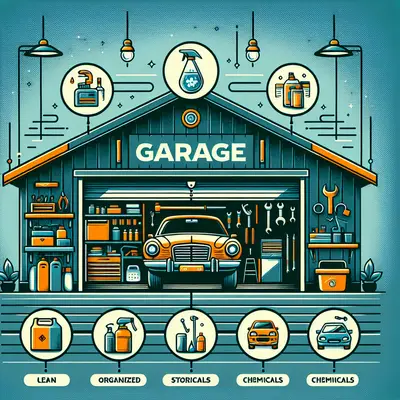
But while social feeds obsess over color‑coded pantries and curated entryways, one critical space is still being treated like a seasonal dumping ground—the garage. If your car is exiled to the driveway so boxes, decorations, and “I’ll sort it later” piles can take over, you’re not alone. Yet for a discerning homeowner, a neglected garage is more than an eyesore; it’s a missed opportunity for refined order and long‑term value.
Below are five exclusive, maintenance‑driven insights for turning your garage into the calm, resilient backbone of the home—especially as holiday chaos bears down.
1. Treat the Garage Like a Mechanical Lobby, Not a Storage Shed
Holiday organizing content this week is all about front‑of‑house polish. But the most sophisticated homes are designed from the inside out, and that starts with the spaces you move through every day. For many families, the garage—not the front door—is the true entry. It should feel intentional, not improvised.
Begin by reframing the garage as a mechanical lobby. That means clear circulation paths, defined zones for vehicles, tools, and seasonal décor, and lighting that feels deliberate rather than utilitarian. This mindset instantly elevates your maintenance standards: cords get secured, liquids get stored properly, and nothing “temporary” is allowed to sit on the floor indefinitely. Once you see the space as an extension of your living environment, you start applying the same rigor you’d expect in a high‑end mudroom or hallway.
From a maintenance perspective, this attitude shift is powerful. You’re more likely to spot minor issues—a damp corner, a slightly uneven door track, a suspicious rust patch—because the space is tidy enough to reveal them. The result is a garage that looks composed today while quietly protecting your home’s structure and systems for years.
2. Protect What You Park: Climate‑Aware Care for Floors and Finishes
As travel and winter storms intensify, garages everywhere are taking the brunt of the season: salted roads, slushy tires, icy luggage dragged in from the car. The same de‑icing chemicals that corrode airport equipment will happily destroy bare concrete, door seals, and metal fasteners over time.
A premium approach to maintenance starts underfoot. If your floor is unfinished concrete, inspect it for hairline cracks and spalling (flaking). Apply a penetrating concrete sealer at minimum, and for a truly elevated space, consider a high‑quality polyaspartic or epoxy coating with quartz or flake broadcast. These finishes are not just aesthetic upgrades—they make cleanup of salt, oil, and melted snow effortless and protect the slab from moisture intrusion.
Equally important are the thresholds and seals. The bottom weatherstrip on your garage door should compress evenly along the floor—no daylight, no visible gaps. In winter, even a small misalignment invites meltwater under the door, soaking stored items and feeding mold in base plates and drywall. A refined maintenance routine includes seasonal inspection: run a gloved hand along the perimeter seals, check for brittleness or cracking, and replace any gasket that has lost its flexibility.
By respecting the micro‑climate of your garage the way architects and engineers do, you dramatically extend the life of every surface you’ve invested in—while keeping your arrivals and departures gracefully clean.
3. Quiet Luxury: A Silent, Precisely Tuned Garage Door
If social media can obsess over the sound of a luxury car door closing, your own garage door deserves similar attention. A refined home should not announce your departure with rattles, groans, or a shuddering opener that wakes the entire household.
Noise is almost always a maintenance story. A well‑balanced door moves with an understated, controlled motion. Start with a balance check: disconnect the opener (typically via the red release cord), and lift the door manually halfway. If it drifts up or slams down, the springs are out of balance and need professional adjustment—this is not a DIY job. An imbalanced door strains the opener, wears hardware prematurely, and increases the risk of failure during the coldest mornings when materials are least forgiving.
Next, address friction. Lubricate hinges, rollers, and the spring bar with a high‑quality garage‑specific lubricant (never heavy grease that collects grit). Inspect rollers: nylon rollers with sealed bearings are quieter and more refined than bare steel. Upgrading old, clattering rollers and installing vibration‑isolating mounts on the opener can transform the acoustic experience of your garage.
Finally, check the opener’s safety and intelligence. Modern smart openers integrate quietly with home networks, provide soft‑start and soft‑stop motion, and include battery backups—critical during winter power interruptions. A door that opens silently, smoothly, and reliably is a discreet marker of a well‑maintained, elevated property.
4. Precision Storage: Seasonal Gear Without Seasonal Chaos
The surge of “get your house in order before Christmas ruins it” content resonates because the pain is real: decorations, extra chairs, bulk groceries, delivery boxes, and luggage all begin and end their journeys in the garage. Without a maintenance plan, the space collapses under seasonal load.
The sophisticated solution is not more bins—it’s structured capacity. Start with vertical and overhead space: high‑quality wall tracks, slat walls, or modular steel shelving create a defined “skyline” for storage, keeping floors visually and physically clear. Assign each category—holiday décor, tools, sports equipment, emergency supplies—a permanent address. Label discreetly but clearly. The guiding principle: nothing seasonal lives on the floor.
Next, consider weight and moisture. Heavy items like salt bags, backup water, and large tools belong on lower shelves designed for substantial loads; lighter, seldom‑used décor can occupy overhead racks rated and anchored to building standards, not bargain hardware. Every shelf and hook should be within its engineered capacity—this is maintenance, not mere organizing.
Most homeowners only realize their system is flawed when a shelf fails or a water heater leak destroys low‑sitting boxes. By designing your garage storage like a back‑of‑house system in a luxury hotel—everything categorized, elevated, and accessible—you not only tame holiday chaos but also shield your belongings from the quiet threats of moisture, pests, and impact.
5. The Annual Garage Health Check: Subtle Inspections, Serious Payoffs
While lifestyle headlines this week urge pre‑holiday tidying, the truly discerning homeowner builds a ritual that goes deeper than decluttering: the annual garage health check. Think of it as a concise, technical spa day for your most overworked space.
Begin at the envelope. Inspect walls and ceiling for staining, efflorescence (powdery white on masonry), or hairline cracks that suggest moisture migration. Check the joint where the garage slab meets the walls: any persistent dampness or crumbling material deserves attention before it evolves into a structural concern. Look up at the roof line from inside the garage; in colder regions, this space often reveals early signs of ice dam leaks or ventilation issues.
Move to systems. Confirm that GFCI outlets trip and reset properly, especially those near freezers, EV chargers, or utility sinks. Test photo‑eyes on the garage door by slowly moving an object through the beam during closure—they should reverse the door instantly. Verify that any combustion appliances in the garage (water heater, furnace, boiler) are venting correctly, with no back‑drafting or rust streaks on flues.
Finally, review the inventory: expired chemicals, compromised gasoline cans, and leaking paint tins have no place in a premium, safety‑conscious environment. Dispose of them according to local regulations and replace critical items such as fire extinguishers and first‑aid kits on a regular schedule. This once‑a‑year discipline converts the garage from a blind spot into one of the most intentionally maintained zones in your home.
Conclusion
As today’s trending home content fixates on quick fixes before the holidays undo your efforts, the most elegant response is not panic‑organizing—it is principled maintenance. A well‑kept garage is the quiet backbone of a sophisticated property: it protects vehicles and valuables, absorbs seasonal pressure without descending into chaos, and reflects a level of care that extends beyond what guests immediately see.
By treating your garage as a mechanical lobby, defending it against winter’s corrosive effects, refining the motion and sound of your door, designing storage with architectural discipline, and performing a thoughtful annual health check, you create something far more enduring than a weekend declutter. You craft a space that remains calm, controlled, and impeccably functional—no matter how chaotic the season, the forecast, or the year ahead.
Key Takeaway
The most important thing to remember from this article is that this information can change how you think about Maintenance.