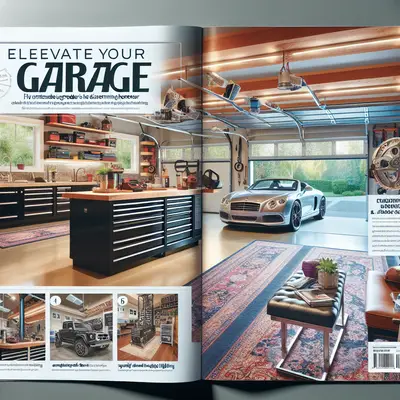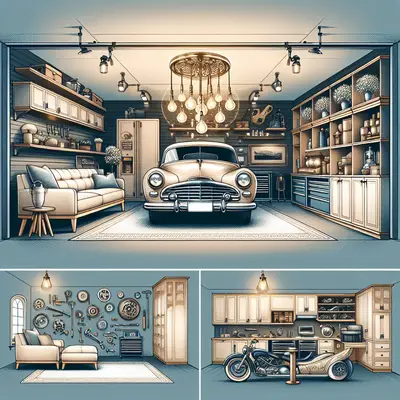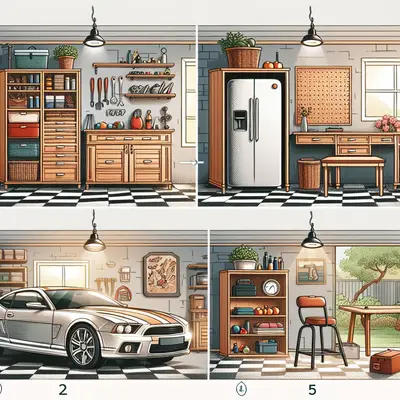
The internet has been quietly obsessed this week with a new photo collection celebrating century‑old homes—ornate staircases, carved doors, and timberwork that has aged more gracefully than most of our cars. As “Beautiful Old Houses That Show How Craftsmanship Has Stood The Test Of Time” trends across feeds, one truth emerges: people are hungry for spaces that feel designed, not merely built.
For homeowners staring at a cluttered, builder‑grade garage, those images of meticulous joinery and enduring materials can feel a world away. Yet the principles behind those timeless houses translate perfectly into today’s most elevated garage upgrades. If historic homes teach us anything, it’s that longevity, restraint, and thoughtful detail never go out of style.
Below are five exclusive, craftsmanship‑driven insights to help you transform a forgettable garage into a refined, high‑performing extension of your home—one that would feel at home in any “before and after” feature circulating right now.
Elevate the Envelope: Treat Your Garage Door Like a Facade, Not a Panel
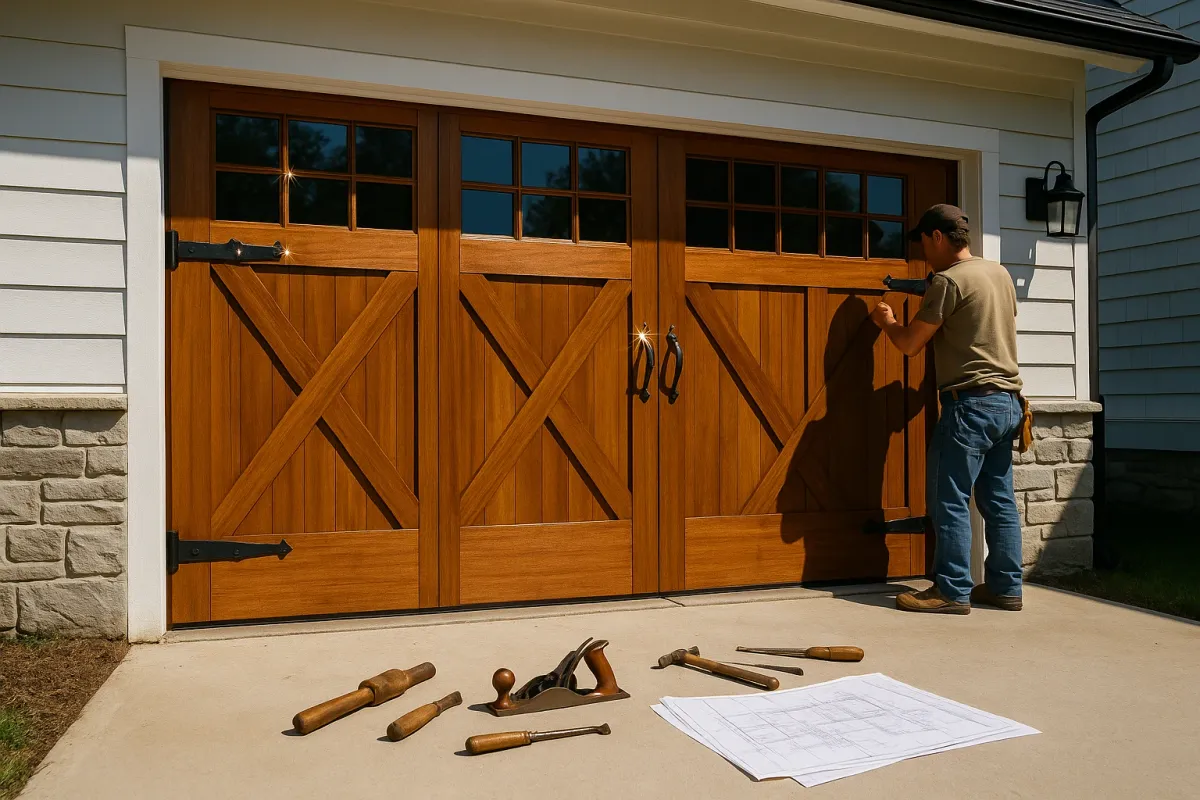
The viral photos of old townhouses and manors share a pattern: their exteriors are composed, layered, and intentional. Your garage door—often the single largest surface on your home’s front elevation—should get the same treatment a historic architect would give a main entry.
Instead of a standard stamped steel panel, consider an insulated carriage‑style or flush modern door with real or convincingly textured wood‑look cladding. Look for manufacturers using high‑density composite overlays, multi‑layer insulation, and factory‑applied finishes that mimic the depth of hand‑brushed stain while delivering modern durability. Hardware matters, too: concealed hinges, low‑profile tracks, and architecturally coherent handles and straps shift the door from “builder default” to “custom millwork.” Coordinate the garage door color with your window trim or front entry rather than the cheapest white in the catalog—this creates a visually continuous facade, much like the window and door arrangements seen in those trending historic house galleries. The result is an upgrade that improves curb appeal, thermal performance, and resale value in one decisive move.
Rethink the Floor: From Shop Slab to Gallery‑Caliber Surface
What stands out in photographs of well‑preserved old interiors is how floors anchor the room—wide planks, herringbone brick, or stone that has patinated gracefully. Your garage slab doesn’t need to mimic a Parisian apartment, but it should aspire to that sense of permanence.
A premium, correctly installed epoxy or polyaspartic system with a carefully chosen color blend can transform a stained concrete floor into something closer to a gallery or studio. Skip loud, high‑contrast flake finishes that will date quickly and instead opt for mineral‑inspired neutrals—soft graphite, stone gray, or warm greige with subtle mottling. Professional installers will grind and repair the slab, address hairline cracking, and apply moisture mitigation where necessary; this behind‑the‑scenes preparation is the modern version of the painstaking subfloors you never see in those old houses. For homeowners in colder climates, consider integrating radiant tubing under a new topping slab or using insulated underlay beneath interlocking garage tiles. You’re not just making it “look nice”—you’re controlling dust, easing cleanup, protecting tires, and creating a floor that feels intentional enough to park a classic car or host a tasting table.
Design Storage Like Built‑In Furniture, Not Warehouse Racking
The interiors going viral from heritage homes show a distinct absence of visual noise. Everything has a place, and storage feels integrated, not bolted on. Apply that thinking to your garage: the difference between chaos and calm often comes down to how storage interacts with the architecture.
Rather than piecemeal metal shelves and a patchwork of plastic bins, invest in a wall‑to‑wall storage system that reads more like cabinetry than warehouse stock. Look for 18–24" deep cabinets with full‑height doors, concealed hinges, and adjustable shelving. Matte, furniture‑grade finishes—charcoal, deep navy, or warm taupe—age more gracefully than high‑gloss whites that yellow and scuff. Integrate a dedicated “drop zone” near the interior door with drawers for keys, a slim bench, and vertical cubbies; this echoes the mudroom‑style built‑ins that photograph so well in older homes retrofitted for modern living. For tools, a framed slatwall or perforated panel with custom‑cut organizers keeps frequently used items at hand while maintaining a curated, almost gallery‑like display, rather than a chaotic pegboard. The objective is a storage system that supports your life while visually receding into a calm, ordered backdrop.
Upgrade the Atmosphere: Lighting and Acoustics With Studio‑Level Intent
The striking images of historic interiors trending online are almost always captured in flattering, natural light—but behind that romance is intelligent window placement and layered illumination. Your garage deserves similarly considered lighting, especially if it doubles as a workshop, gym, or studio.
Replace harsh, single‑fixture fluorescents with a grid of high‑CRI LED fixtures that render colors accurately—essential if you’re matching paint, detailing a car, or working with finishes. Combine bright overheads (for general tasks) with targeted under‑cabinet strips at workbenches and discreet wall sconces near the entry for softer evening light. Choose fixtures with clean, architectural lines in black, brushed aluminum, or warm brass to echo the elevated look seen in design‑forward spaces circulating on social media. For acoustics, steal a page from recording studios and galleries: add acoustic panels or slatted wood treatments along select walls or the ceiling, especially if you use the space for workouts, music, or power tools. These can be designed as visual features—think oak slats with black felt backing—delivering both a rich, tactile aesthetic and an audible improvement in comfort.
Build for Decades, Not Just the Next Owner: Materials With Patina Potential
Those “beautiful old houses” resonating online right now share one decisive trait: they were constructed with materials that were meant to be maintained, not discarded. Bringing that philosophy into your garage upgrades can dramatically change how the space ages—and how it is perceived by future buyers.
Prioritize materials that can be refinished, repaired, or refreshed rather than replaced. Solid wood worktops with durable oil‑wax finishes can be sanded and renewed; powder‑coated steel cabinetry resists corrosion and touch‑ups elegantly; real hardware (solid brass, stainless, or blackened steel) can be cleaned and re‑patinated instead of thrown away when it tarnishes. For walls, consider impact‑resistant panels or a high‑build, scrubbable paint in a velvety matte finish—less glare, more depth, and longer intervals between repaints. Even small details, such as specifying stainless fasteners, weather‑sealing gaskets on exterior doors, and closed‑cell foam insulation in walls and the garage ceiling, contribute to a longer‑lived envelope. The goal is to design a garage that, like the homes in those trending photo essays, looks better in 10–20 years than it does the day after installation—gaining character instead of collecting damage.
Conclusion
As feeds fill with images of lovingly preserved houses and handcrafted details, the appetite for spaces with real substance is unmistakable. Your garage doesn’t have to remain the outlier—a purely utilitarian zone tacked onto an otherwise considered home. By borrowing the sensibilities behind today’s most shared historic‑home imagery—coherent facades, crafted surfaces, integrated storage, layered lighting, and enduring materials—you can turn a neglected volume into a sophisticated extension of your living space.
The most compelling garages in the years ahead won’t be the most gadget‑heavy; they’ll be the ones that feel quietly inevitable, as if they were always meant to be part of the house. That’s the kind of upgrade that ages well, photographs beautifully, and, like the architecture currently captivating the internet, stands the test of time.
Key Takeaway
The most important thing to remember from this article is that this information can change how you think about Upgrades.