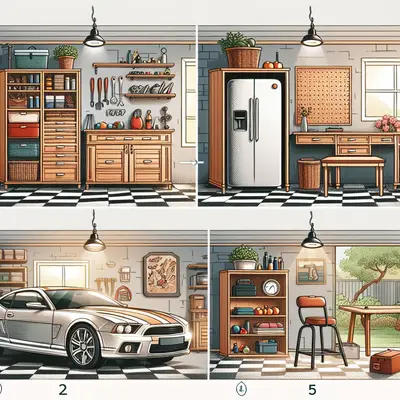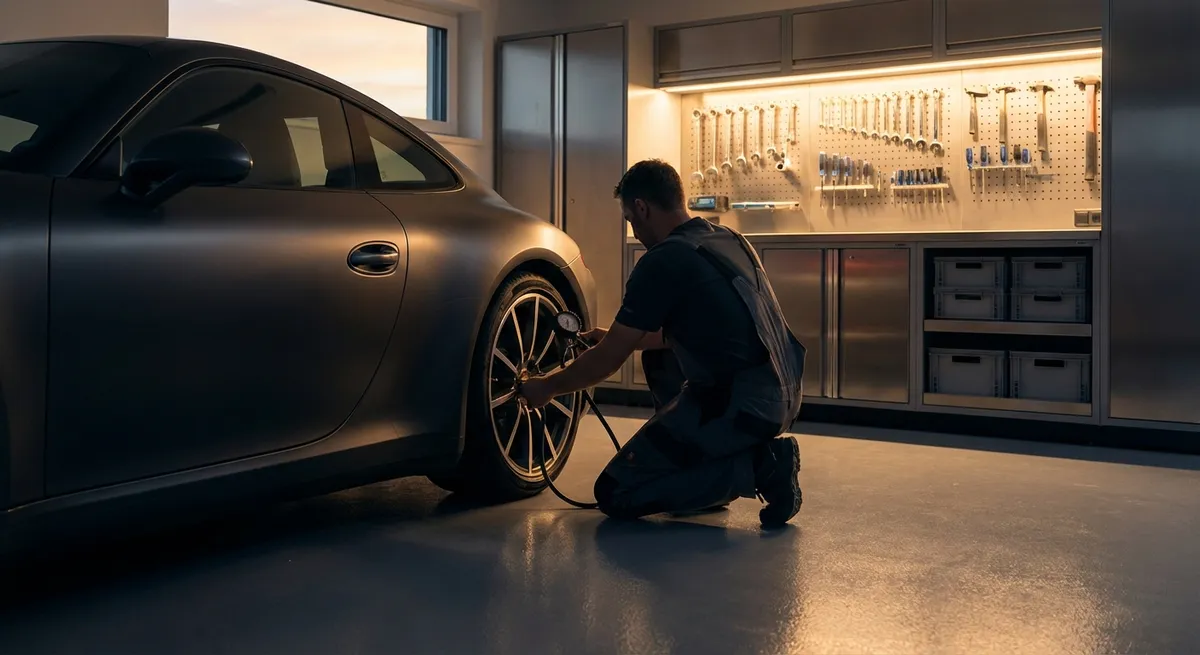
A well‑considered garage is less about spectacle and more about quiet excellence. Done properly, upgrades are almost invisible in daily use—manifesting not as flashy features, but as a space that simply works: quieter, cleaner, safer, and more composed. For homeowners who expect their garage to match the standards of the rest of the residence, thoughtful enhancements turn a historically neglected zone into a disciplined, high‑functioning environment.
Below, you’ll find a curated framework for elevating garage performance, plus five exclusive insights that discerning homeowners rarely hear from conventional contractors.
Reframing the Garage: From Utility Room to Precision Zone
Most garages are treated as overflow storage and a place to park a car. That mindset leads to reactive fixes—patching cracks, replacing worn parts, tinkering with hardware—without an overarching strategy. A refined approach sees the garage as a precision zone: a space where engineering, materials, and daily habits intersect.
This perspective changes everything. You stop asking, “What’s broken?” and start asking, “What system is underperforming?” The floor is not just concrete; it’s a structural, moisture, and safety interface. The door is no longer a panel that goes up and down; it’s a moving façade with implications for noise, insulation, and security. Lighting is not just brightness; it’s visual clarity, accuracy of color, and energy discipline.
Once the garage is viewed at this level, the upgrades that matter become obvious—and they are rarely the ones offered in standard big‑box “bundles.”
Insight 1: Specify the Floor for Behavior, Not Just Appearance
The floor is the foundation of garage usability, but most upgrades stop at “shiny” or “easy to clean.” High‑net‑worth garages typically adopt a more strategic specification: choosing materials based on the behavior they encourage and the risks they mitigate.
A premium floor system considers three dimensions: slip resistance, reflectivity, and chemical resistance. The finish should be grippy enough to stay safe when wet—but not so textured that it traps dust and is impossible to clean. A slightly reflective surface can transform the perceived brightness of the room, allowing you to reduce fixture count while still achieving excellent visibility. Finally, resistance to de‑icing salts, oil, and brake fluid prevents slow structural degradation that drives costly concrete repairs later.
Professionally installed polyaspartic or high‑solids epoxy systems, over properly prepared and moisture‑tested concrete, provide this combination when specified correctly. The difference is less about the color chip blend and more about the underlying prep: grinding instead of just acid etching, repairing hairline cracks, and installing proper expansion joint treatments so the system remains stable through seasonal movement. The result is a surface that quietly protects the slab while setting the tone for an orderly space.
Insight 2: Treat the Door as Thermal and Acoustic Architecture
Garage doors are often chosen like appliances: by style and opener horsepower. Sophisticated homeowners instead treat them as part of the building envelope—an architectural element that influences comfort, energy use, and sound in the rooms adjacent to (and above) the garage.
A properly specified door considers R‑value and sound transmission in tandem. In climates with real winters or hot summers, a well‑insulated, steel or aluminum door with a polyurethane foam core creates a meaningful buffer, especially when bedrooms or living spaces sit above the garage. Layer that with high‑quality perimeter weatherstripping, a tight bottom seal, and insulated garage walls, and you significantly reduce temperature swings and street noise permeating into the home.
Equally important is the drive system. Modern DC motors with belt drives and soft‑start/soft‑stop profiles create a controlled, almost unnoticeable motion—avoiding the shudder and bang that telegraph every departure to the entire household. For homeowners who travel frequently or keep high‑value vehicles, integrating the door opener into a smart home ecosystem with secure remote monitoring and alerts allows discreet oversight without looking like a “high‑security installation” from the street.
Insight 3: Design Lighting for Precision, Not Just Brightness
Most garages are overlit in the wrong places and underlit where precision matters. Strips of harsh fixtures in the center of the ceiling create hot spots while tools, tires, and work surfaces remain in shadow. A more refined scheme is layered and intentional.
Begin with high‑CRI (Color Rendering Index) LED fixtures—90+ CRI if possible—to ensure true color rendering for paints, automotive finishes, and electrical wiring. Arrange them in a grid that matches how you use the space: continuous runs over vehicle bays, targeted task lighting over a workbench, and wall‑washing fixtures or sconces along storage zones. This reduces glare on glossy floors and car hoods while eliminating the “cave effect” of dark walls.
Motion sensors and multi‑zone dimming add a touch of quiet sophistication: full output when you drive in from the dark; softer, more ambient levels when you’re moving between the garage and the house at night. The result feels less like a utility box and more like a well‑designed studio—one that happens to house vehicles.
Insight 4: Elevate Storage from Stacking to Structured Flow
Most garages suffer not from lack of space, but from lack of structure. Items pile up on the floor, blocking access, damaging walls, and making even a recently renovated garage feel chaotic. A premium storage approach doesn’t just add cabinets; it engineers movement.
Start by defining traffic lanes—clear, uninterrupted paths from vehicles to doors. Then design storage to protect those corridors. Full‑height cabinets with integrated toe‑kicks keep items contained and easy to clean around, while shallow-depth units along tight walls maintain clearance for door swings and mirrors. Overhead racks are specified to align with the structural framing above and are reserved for infrequently accessed, lightweight seasonal items.
Wall systems (slatwall or rail) can be refined rather than utilitarian: matching or complementing cabinet finishes, with hooks and shelves sized thoughtfully for what you actually own—bikes, ladders, garden tools, detailing equipment. The visual effect is calm: fewer visible items, more closed storage, and everything with a designated “home.” Functionally, this structure protects vehicles from dings, prevents trip hazards, and directly extends the life of the garage floor by minimizing clutter that traps debris and moisture.
Insight 5: Engineer Ventilation and Moisture Control as a Silent Guardian
The most undervalued dimension of a high‑performance garage is air and moisture management. Even beautifully finished spaces can harbor exhaust residue, volatile organic compounds from stored chemicals, and persistent humidity from vehicles parked with wet undercarriages. Over time, these conditions deteriorate finishes, corrode tools, and introduce contaminants to the rest of the home.
Rather than relying on simply cracking a window or leaving the door slightly open, sophisticated garages incorporate deliberate ventilation strategies. A quiet, continuous or demand‑controlled exhaust fan—properly ducted outdoors—can automatically cycle air after arrivals and departures. When paired with a modest supply of fresh air, this prevents fumes from drifting into the living areas, particularly if the garage is attached and shares framing with conditioned spaces.
For humid climates or homes where vehicles are brought in with snow, a floor drain or trench system, mild floor slope, and a dedicated garage‑rated dehumidifier protect both the structure and any stored belongings. These systems operate in the background, but their impact is profound: tools stay rust‑free, fasteners and hardware remain stable, and the garage smells neutral rather than “automotive.” It’s an upgrade that guests may never see, but you will feel every time you enter.
Strategic Integration: Building a Cohesive Upgrade Plan
Upgrading a garage to this level is less about adding features and more about sequencing. The most effective projects start with structure and systems, then refine surfaces, and only then address aesthetics.
A disciplined order might look like this: address moisture and drainage; upgrade insulation and air sealing; modernize the door and opener; design lighting and electrical; then install flooring and storage. At each step, you protect the investments that come later. For example, there is little point in a high‑end floor if water consistently wicks in under a poorly sealed door, or in luxury cabinets mounted to walls that are uninsulated and prone to condensation.
By treating the garage as a holistic environment, every component supports the next. You end up with a space that feels calm, solid, and reassuringly competent—one that quietly matches the standards you’ve already set for the rest of your home.
Conclusion
A refined garage is not defined by spectacle, but by the absence of friction. Doors move without drama. Light reveals detail without glare. Floors remain clean and safe with minimal effort. Air feels neutral and dry. Storage serves you, not the other way around.
When you upgrade with this level of intention—specifying materials for behavior, elevating the door to an envelope component, designing lighting for precision, structuring storage around movement, and engineering ventilation as silent protection—you transform the garage from an afterthought into a quietly capable space that respects your home, your vehicles, and your time.
Sources
- U.S. Department of Energy – Attached Garages and Indoor Air Quality – Discusses pollutant transfer from garages to living spaces and ventilation strategies
- Federal Highway Administration – Protecting Concrete Against Deicing Chemicals – Technical insights on how salts and chemicals affect concrete durability
- Minnesota Department of Health – Garage Ventilation and Air Quality – Guidance on fumes, moisture, and best practices for attached garages
- Energy Star (EPA) – Residential Garage Door Considerations – Information on insulation, air sealing, and energy performance of garage doors
- Illuminating Engineering Society – Lighting for Residential Applications – Principles of high‑quality residential lighting applicable to garage design
Key Takeaway
The most important thing to remember from this article is that this information can change how you think about Upgrades.