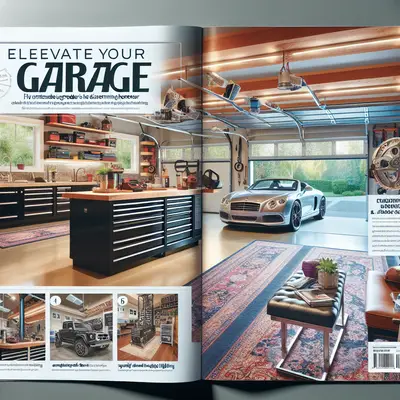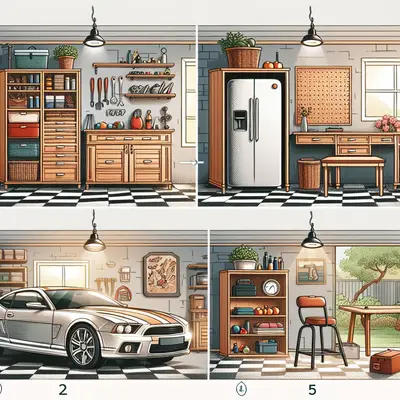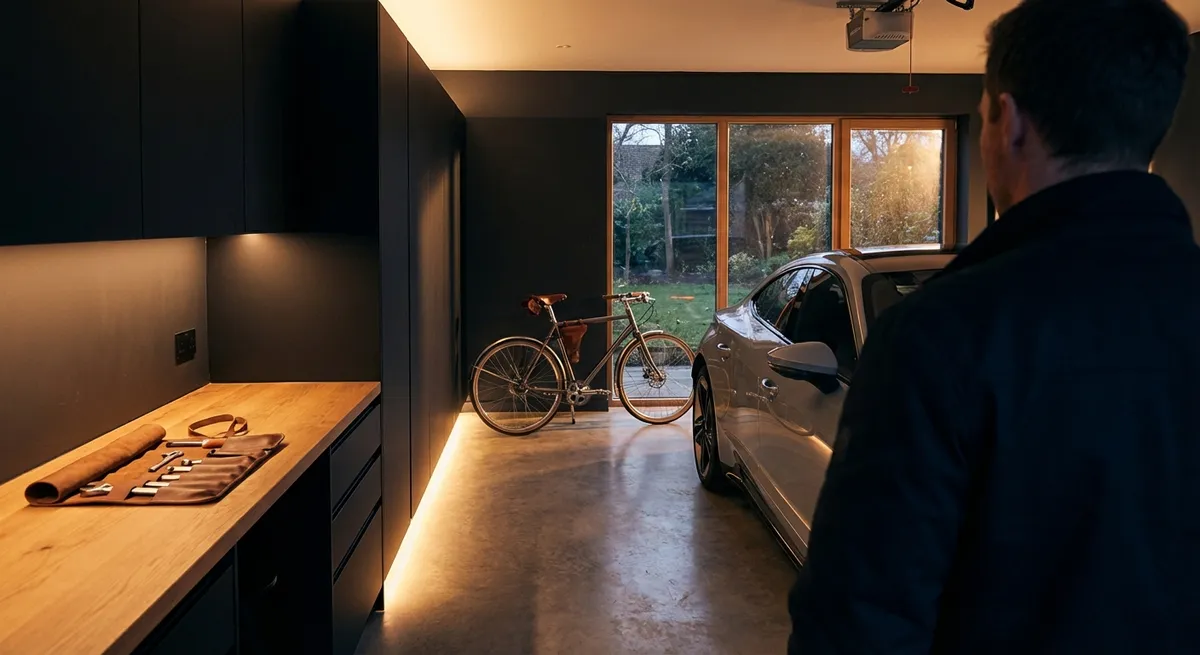
For the discerning homeowner, the garage is no longer a forgotten annex—it is a quiet expression of how the entire property is run. A well–considered upgrade does more than impress onlookers; it creates a space that works effortlessly, feels composed, and protects both vehicles and valuables with understated confidence. The most satisfying improvements are often not the most obvious ones, but the ones you feel every time the door glides, the lighting responds, or the environment stays stable through harsh seasons.
Below are five exclusive, detail‑driven insights that elevate a garage from merely functional to effortlessly exceptional.
1. Precision Balancing: The Hidden Foundation of Every Upgrade
Before adding a single visible upgrade, the true connoisseur starts with balance. A perfectly balanced garage door feels almost weightless when lifted manually, and the opener operates with a quiet ease that reveals very little strain on its internal components.
Technicians often focus on replacing openers or springs when performance degrades, but the more refined approach is to commission a full balance and travel audit. This involves checking spring tension, verifying cable alignment, adjusting track spacing, and ensuring the door is perfectly plumb. Once balance is dialed in, every subsequent upgrade—whether a new opener, insulation, or smart hardware—performs at its best. You notice fewer vibrations, reduced wear on hinges and rollers, and a reassuring consistency in how the door moves, season after season. It’s the mechanical equivalent of tuning a grand piano before a concert: invisible to most eyes, unmistakable to anyone who lives with it.
2. Acoustic Engineering for a Quieter, More Civilized Operation
Many homeowners chase “quiet” garage doors through trial‑and‑error: a new opener here, a bit of lubricant there. A more sophisticated solution borrows from acoustic engineering. Instead of simply muting noise, you shape the sound environment.
This begins with selecting a belt‑drive or direct‑drive opener that inherently produces less mechanical noise, but it does not end there. Nylon rollers in place of metal, vibration‑isolating mounting brackets, and a rail that is properly anchored into structure—not just drywall—dramatically reduce resonance through the house. Foam or rubber isolation pads under the opener and around mounting points further decouple vibration from ceiling framing. For homeowners with living spaces over or adjacent to the garage, this level of attention transforms early‑morning departures from a disruptive event into a barely noticeable background motion. The upgrade is less about silence for its own sake and more about respecting the acoustic comfort of the entire home.
3. Climate‑Aware Upgrades That Protect More Than Just Your Car
As garages increasingly serve as storage, workshops, gyms, and even transitional living spaces, environmental control moves from luxury to necessity. Yet, climate upgrades are often approached in isolation: a better door here, a portable heater there. The smarter, more elevated approach is to treat the garage as a small ecosystem.
Insulated doors (with a carefully chosen R‑value for your climate), sealed perimeter weatherstripping, and insulated sidewalls create the baseline. From there, the real refinement comes in managing moisture and air movement. A modest but well‑placed ventilation fan, a smart thermostat connected to a low‑profile heater, or a ductless mini‑split system can maintain stable temperature and humidity, dramatically extending the life of tools, stored materials, and even the door itself. Metal components corrode more slowly, lubricants remain effective, and sensitive items—like finishes, electronics, and seasonal décor—stay in better condition. The result is less a “garage that feels warm” and more a controlled, predictable environment that quietly safeguards everything it holds.
4. Integrated Lighting and Power That Anticipates How You Move
A premium garage doesn’t merely illuminate; it orchestrates light around how you actually use the space. The standard single ceiling fixture or lone opener bulb is rarely sufficient for modern needs. Thoughtfully planned lighting transforms the garage from a harsh, shadowy space into a composed, task‑ready environment.
Begin with layered lighting: overhead LED panels or strips for general illumination, targeted task lighting over workbenches, and low‑level pathway lighting that activates as soon as the door opens or a motion sensor triggers. Smart controls—such as dimmers, scenes, and schedules integrated with your broader home system—ensure that the space is bright when needed and subtle when not. Complement this with upgraded electrical infrastructure: dedicated 20‑amp circuits for tools, pre‑wired 240V outlets for future EV charging or air compressors, and receptacles positioned for convenience rather than code minimums. These upgrades feel intangible on day one, but over time they change how you move through the garage: fewer shadows, no extension‑cord clutter, and an effortless readiness for whatever task you bring into the space.
5. Hardware and Controls as Thoughtful Touchpoints, Not Afterthoughts
The true hallmark of a refined garage upgrade lies in the details your hand actually touches and the interfaces you use daily. These components—handles, locks, wall controls, keypads, and smart integrations—are often overlooked, yet they define your everyday experience of the space.
Upgrading to premium hinges, robust handles, and tamper‑resistant locks elevates both security and tactility. A door that closes with a smooth, confident final engagement, rather than a rattle or slam, signals quality every time you enter. At the control layer, moving from a basic wall button to a modern interface with status indicators, vacation lockout modes, and soft‑touch operation gives you deeper command over security and access. Adding smart controls—such as smartphone monitoring, geofenced auto‑close, and real‑time alerts—rounds out the system without adding visual clutter. These are not gimmicks; they are thoughtfully chosen touchpoints that reduce anxiety (“Did I close the door?”), streamline access for trusted guests, and give the garage the same level of intentional design as the rest of the home.
Conclusion
A truly elevated garage upgrade is not defined by a single dramatic feature, but by a collection of finely tuned decisions that work together: precise balance, controlled acoustics, stable climate, intelligent lighting and power, and refined hardware and controls. When these elements align, the garage stops feeling like a compromise space and starts functioning as a quiet asset—reliable, composed, and distinctly in keeping with a well‑run home.
For homeowners who value both performance and poise, investing in these understated enhancements transforms the garage from a utilitarian shell into an integral, meticulously crafted part of the property’s overall experience.
Sources
- U.S. Department of Energy – Insulation in Your Home - Explains how insulation and air sealing improve comfort and efficiency, including applications relevant to garages.
- Clopay Garage Doors – Garage Door Insulation Guide - Provides details on R‑values, door construction, and the benefits of insulated garage doors.
- The Spruce – Garage Lighting Ideas - Outlines practical and design‑focused approaches to creating effective, layered lighting in garages.
- LiftMaster – Smart Garage Door Openers - Describes current capabilities of smart openers, including security, monitoring, and control features.
- Energy Star – Ductless Heating & Cooling Systems - Explains how ductless systems can improve comfort and efficiency in spaces like garages.
Key Takeaway
The most important thing to remember from this article is that this information can change how you think about Upgrades.