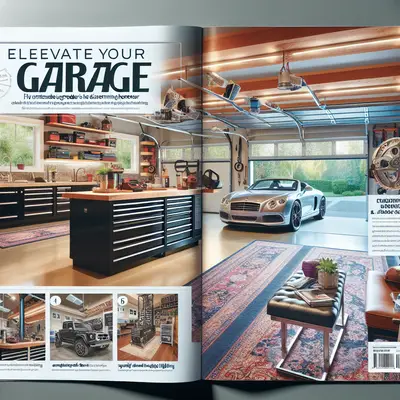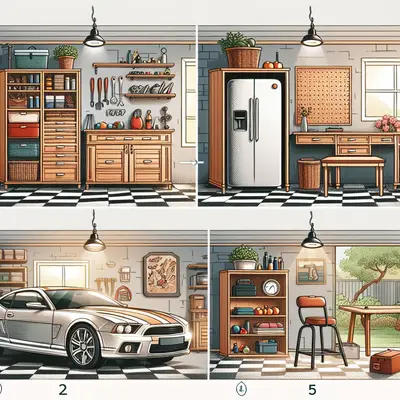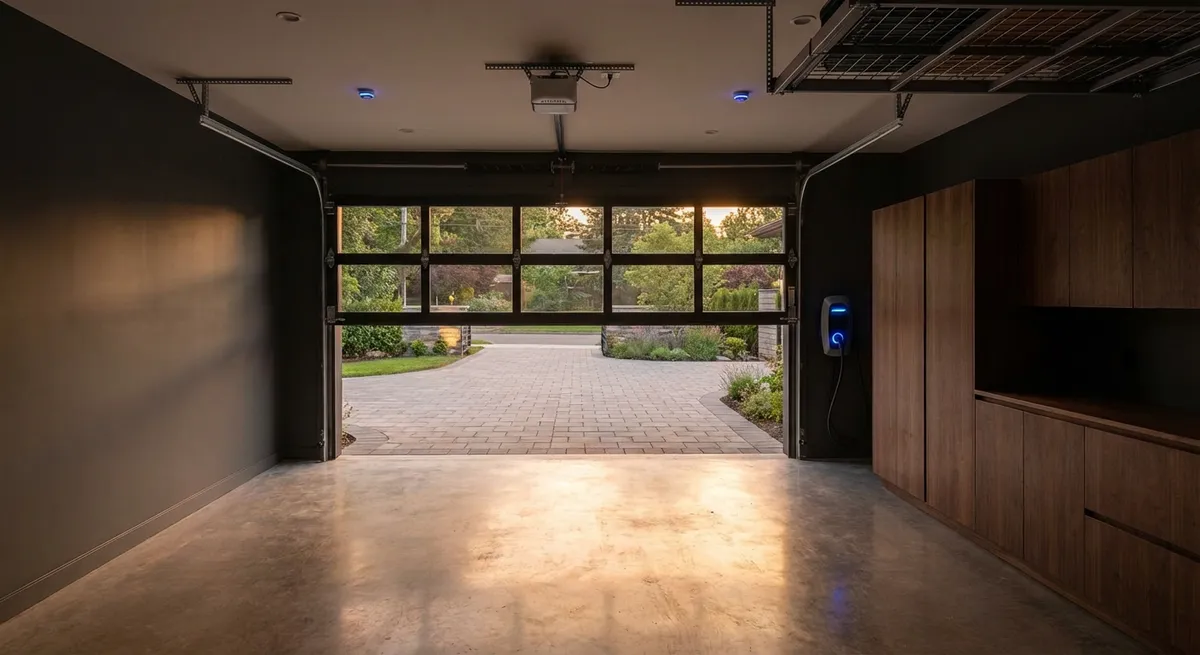
A well‑considered garage upgrade is less about spectacle and more about precision. For many homeowners, the garage is the first and last space they encounter each day—yet it too often becomes a forgotten utility zone. Thoughtful improvements can transform it into a quiet command center for your home: secure, efficient, and elegantly organized. This guide explores a refined approach to garage upgrades, with five exclusive insights tailored to homeowners who expect more than basic fixes.
Rethinking the Garage as a Performance Space
The most successful garages are engineered, not decorated. Instead of starting with paint colors or shelving, begin with performance: how the space functions under daily stress. Consider how often the door cycles, how moisture behaves in the space, how temperature fluctuates, and how you move in and out with vehicles, packages, and guests.
Upgrades that focus on performance—structural hardware, floor systems, insulation, and access controls—quietly elevate every other aspect of the garage. A reinforced track system, a properly balanced door, and a high‑quality opener reduce strain on components and extend the lifespan of your investment. When these elements are tuned, the space feels calm, predictable, and reassuringly solid—more like a well‑maintained vehicle than a neglected storage room.
Insight 1: Treat the Floor as Infrastructure, Not Decor
Most garage upgrades begin at eye level and ignore the surface that takes the real abuse: the floor. Yet a refined garage experience starts underfoot. Rather than opting for a quick‑cure paint kit, treat your floor as infrastructure—designed to handle moisture, road salt, hot tires, and dropped tools without degrading.
A professionally installed high‑solids epoxy or polyaspartic coating, properly prepped by grinding or shot‑blasting, bonds with the concrete rather than merely covering it. This creates a dense, easily cleaned surface that resists staining and hot‑tire pickup. For homes in colder climates, investing in crack repair and joint sealing before coating minimizes future heaving and chipping. The result is a floor that feels more like a continuation of your interior, while quietly protecting the slab beneath and reducing long‑term repair costs.
Insight 2: Upgrade Insulation Strategically, Not Uniformly
Not every garage deserves full‑scale insulation, but nearly every garage can benefit from targeted thermal upgrades. Rather than reflexively insulating every wall, focus first on the surfaces that influence your home’s comfort and your door’s performance.
Insulating and sealing the garage‑to‑house wall, the ceiling beneath living spaces, and the garage door itself often delivers the greatest benefit. A high‑R‑value insulated door, paired with quality perimeter seals and a well‑fitted threshold, reduces drafts, temperature swings, and noise. For homeowners who use their garage as a workshop or gym, adding modest, strategically placed insulation panels and air sealing can make space heaters or mini‑split systems dramatically more efficient. This approach respects your budget while meaningfully improving comfort and protecting stored items from extremes.
Insight 3: Elevate Access Control to a Security System, Not a Convenience
Garage door openers are frequently chosen on price alone, yet they serve as a primary access point to your home. A premium upgrade here is not about novelty; it’s about security, control, and awareness.
Modern openers with built‑in smart technology allow you to monitor and control access from your phone, receive alerts when the door is left open, and create temporary digital “keys” for visitors or service professionals. Battery backup ensures functionality during power outages, while motion‑activated lighting near the opener improves visibility the moment you enter. When integrated with a broader home security system or smart lock on the interior door, your garage evolves from a vulnerability into a managed perimeter—quietly working in the background to protect both your home and your schedule.
Insight 4: Design Vertical Storage Like a Working Library
Most garages deteriorate visually and functionally because storage evolved rather than being designed. A refined approach treats vertical space like a curated library, where everything has a defined place and a clear reason to be there.
Wall‑mounted track systems, slatwall panels, and ceiling‑hung platforms should form a coherent storage strategy, not a patchwork of hooks and improvised shelves. Frequently used items belong between shoulder and waist height; seasonal or rarely used items can move upward. Deep shelves should have solid back panels or edge lips to prevent items from falling, and open‑front bins should be labeled clearly enough that guests or family members can find—and return—tools without your help. This level of order transforms the garage from a cluttered catchall into a space that signals control, precision, and readiness.
Insight 5: Align Lighting With Tasks, Not Just Square Footage
Many garages rely on a single central fixture, producing a cave‑like environment that encourages clutter and discourages detailed work. Instead of simply increasing brightness, think in terms of layered, task‑specific lighting.
High‑CRI LED fixtures mounted in rows along the vehicle paths and work zones deliver even illumination without harsh shadows. Under‑cabinet lighting at workbenches, narrow beam spots above tool walls, and motion‑activated fixtures near entry doors make the space feel intentional and responsive. Choosing a consistent color temperature—typically in the 4000–5000K range—helps colors appear true, which matters when matching paint, reading labels, or inspecting finishes. The result is a garage that feels more like a workspace designed by an engineer than an afterthought powered by a single bulb.
Balancing Refinement With Reliability
An elevated garage is not defined by luxury finishes so much as by reliability: doors that move with quiet confidence, floors that withstand abuse, and systems that anticipate how you live. By prioritizing structural performance, measured comfort, intelligent access, disciplined storage, and thoughtful lighting, you create a space that works as well on a hectic Monday morning as it does during a weekend project.
These upgrades are not about impressing guests; they are about satisfying your own expectation that every part of your home should feel resolved. When your garage operates with the same precision as the car it shelters, you gain more than convenience—you gain a subtle, daily reassurance that your home is working as hard, and as intelligently, as you do.
Sources
- U.S. Department of Energy – Residential Insulation – Guidance on where garage and home insulation delivers the most benefit
- International Code Council – Garage Fire and Separation Requirements – Technical overview of safety and separation standards between garages and living spaces
- Clopay Garage Doors – Insulated Door Benefits – Manufacturer explanation of insulated garage door performance, energy, and comfort advantages
- LiftMaster – Smart Garage Technology – Details on modern openers, access control, and integrated security features
- Oregon State University Extension – Concrete Floor Coatings – Practical information on epoxy and other coatings for garage concrete floors
Key Takeaway
The most important thing to remember from this article is that this information can change how you think about Upgrades.