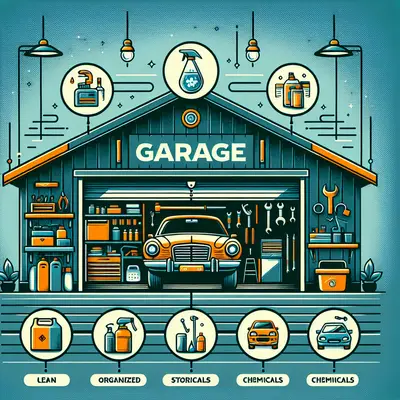
A well-kept garage does more than shelter vehicles and tools—it protects investments, preserves structural integrity, and elevates daily routine. True refinement in this space isn’t about conspicuous upgrades; it’s about disciplined, intelligent maintenance that prevents disruption before it starts. When you treat your garage as a precision system rather than a forgotten annex, repairs become rarer, faster, and far less costly.
Below are five exclusive, insight-driven practices that discerning homeowners use to keep their garages operating with quiet excellence.
1. Treat the Garage as a Micro-Climate, Not Just a Room
Your garage lives at the intersection of indoors and outdoors, and that “border zone” is precisely where problems begin. Temperature swings, humidity shifts, and fumes from vehicles or chemicals exert constant pressure on finishes, mechanical systems, and stored items.
Start with a simple discipline: track your garage climate across seasons. A small digital thermometer-hygrometer mounted at eye level will reveal patterns you can’t sense casually—like humidity spikes after a rainstorm or heat accumulation during late afternoon sun. Once you understand the behavior of this micro-climate, you can respond intentionally.
Strategic responses might include:
- Sealing air gaps around the garage door perimeter and at the bottom seal to reduce drafts and dust infiltration.
- Adding a modestly sized, sealed-combustion heater or mini-split heat pump in climates with severe temperature swings, preserving lubricants, batteries, and stored finishes.
- Running a dehumidifier on a smart plug during humid months to discourage rust, mildew, and warping of wood shelving or doors.
- Choosing storage materials that tolerate these conditions—powder-coated steel, sealed plastic bins, and epoxy-coated floors—rather than untreated MDF or cardboard.
By thinking like a building steward rather than a casual user, you protect both the structure and the valuables inside it.
2. Elevate the Garage Door from Utility Item to Mechanical Asset
For many homes, the garage door is the most frequently used mechanical system—often opening and closing more times per week than the front door sees foot traffic. Yet it’s rarely treated with the respect given to HVAC, plumbing, or roofing.
Adopt a calendar-based service mindset. Twice a year—ideally early spring and early fall—carry out a deliberate inspection and light service:
- Visually inspect cables, rollers, and hinges for fraying, bending, or rust.
- Wipe tracks clean of grit and hardened grease; lubricate rollers and hinges with a non-silicone, garage-door-approved lubricant.
- Check the balance of the door by disengaging the opener and lifting manually; if it doesn’t stay in place roughly halfway up, the springs need professional adjustment.
- Test safety reverse systems by placing a low object like a 2x4 under the door and ensuring it reverses immediately upon contact; verify photo eyes are aligned and clean.
This level of attentiveness transforms your door from a noisy necessity to a quiet, predictable asset. It also extends the working life of your opener and reduces the likelihood of disruptive, after-hours failures when a vehicle is trapped inside or out.
3. Design a Floor System, Not Just a Surface
Most garages are built with a simple poured slab and left at that. Yet the floor is constantly assaulted by moisture wicking up from below, road salts and de-icers from vehicle tires, and temperature cycling that encourages cracking and spalling.
Instead of viewing the floor as “finished” concrete, treat it as a system:
- Start with a thorough diagnostic: look for hairline cracks, efflorescence (white, powdery residue), and damp spots after rainstorms. These are clues to minor water issues that can be addressed with sealing, grading adjustments, or improved drainage.
- Consider a high-solids epoxy or polyaspartic coating—not merely for aesthetics, but for protecting the slab from salts and oils. Professional-grade systems include proper grinding or shot-blasting, moisture testing, and multi-layer application.
- At entry points where vehicles rest, use containment mats or strategically placed trays in winter climates to capture meltwater and salt before it spreads.
- Add discreet floor drains or trench drains where feasible in renovation projects to control incidental water from snow, washing vehicles, or cleaning.
When the floor is deliberately specified and protected, spills become manageable, clean-up becomes effortless, and the entire space maintains a composed, orderly appearance even under heavy use.
4. Engineer Storage to Reduce Stress on the Structure
Poorly planned storage doesn’t just look chaotic—it can quietly damage walls, ceilings, and even the garage door mechanism over time. Overloaded shelves, improvised overhead racks, and ad hoc hanging systems place concentrated loads on framing that was never designed for them.
A more refined approach begins with load-path thinking:
- Before installing overhead racks, verify joist size, spacing, and direction; use manufacturer specifications and hardware rated for known loads. When in doubt, consult a contractor or structural engineer, especially in older homes.
- Distribute heavy items—like seasonal tires, paint cans, or bulk materials—at or near floor level, using low, deep shelving with proper anchoring rather than stacking them on high shelves.
- Keep wall-mounted systems (slatwall, rail systems, or cabinet banks) anchored into studs or track systems designed to distribute loads evenly, avoiding reliance on drywall anchors for anything substantial.
- Maintain generous clearances around the garage door tracks and opener arm; stored items should never encroach on the movement envelope of the door, which can cause misalignment or excessive strain over time.
This engineered storage mindset keeps the building’s structure within its comfort zone while delivering a visually calm, purposeful environment. The garage reads as intentional architecture, not improvised overflow.
5. Adopt a Maintenance Ritual Aligned with Your Lifestyle, Not a Generic Checklist
The most effective garage maintenance is not about doing “everything” but about doing the right things consistently. A multi-car household with daily commuters and sports gear has vastly different wear patterns than a single-vehicle, workshop-oriented space or a second home with long periods of vacancy.
Design a maintenance ritual around how you actually live:
- Daily or weekly: a quick visual scan—puddles under the water heater or vehicles, unusual odors (fuel, burning plastic, mildew), or new sounds from the door opener. This takes less than 60 seconds and often catches early warning signs.
- Monthly: a 15–20 minute reset—sweep or vacuum traffic lanes, check door seals for tears or gaps, verify that fire extinguishers are charged and accessible, ensure chemicals are properly closed and stored off the floor.
- Quarterly: a more deliberate session—test GFCI outlets, inspect for pest activity, verify batteries in key remotes and keypad entries, and clean air intakes or vents for heaters or EV chargers.
- Annually: professional-level interventions—have gas-burning appliances inspected, schedule a full garage door service, and reassess storage and safety (e.g., ensuring flammable materials are away from ignition sources).
By aligning rituals with your actual usage patterns, you sidestep the overwhelm of generic advice while maintaining a high standard of safety and performance. This is the quiet luxury of a garage that simply works—no drama, no surprises, just steady, composed reliability.
Conclusion
A sophisticated garage is not defined by glossy finishes or extravagant hardware, but by the maturity of its maintenance. When you treat the space as a finely tuned system—balancing climate, mechanics, structure, storage, and daily rituals—you transform it from a functional afterthought into a quietly indispensable part of your home’s ecosystem.
The payoff is subtle yet unmistakable: doors that glide without protest, floors that shrug off seasons, storage that respects both the building and its contents, and a daily experience that feels composed rather than cluttered. In a home that aspires to lasting quality, the garage deserves nothing less.
Sources
- U.S. Department of Energy – Residential Air Sealing - Guidance on sealing gaps and improving building envelope performance, applicable to garage perimeter and door seals
- International Association of Certified Home Inspectors – Garage Inspections - Professional insights into common garage defects, safety issues, and best practices for inspections
- Clopay Garage Doors – Safety & Maintenance Tips - Manufacturer-recommended procedures for maintaining garage doors and openers
- Penn State Extension – Controlling Moisture and Humidity - Research-based information on humidity control and its impact on building materials
- The Concrete Society – Concrete Floor Slabs in Garages - Technical overview of garage concrete slab performance, cracking, and protection strategies
Key Takeaway
The most important thing to remember from this article is that this information can change how you think about Maintenance.