A garage door is often the largest moving element of a home, yet it is rarely treated with the same discernment we reserve for interior finishes or architectural lighting. When it fails, the disruption is immediate—security, convenience, and curb appeal all suffer at once. Approached intelligently, however, garage door repair and enhancement can feel less like damage control and more like a quiet elevation of daily life. The difference lies in the details: how the door moves, how it sounds, and how discretely it integrates with the way you live.
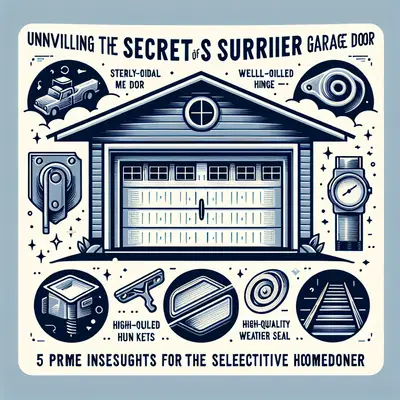
Below are five exclusive, often-overlooked insights that help transform garage door issues from recurring frustrations into opportunities for enduring, elegant performance.
Insight 1: Treat the Door as a Precision System, Not a Single Component
Most homeowners fix what is visibly broken—the spring that snapped, the panel that dented, the opener that failed—without considering the garage door as a calibrated system. Yet every element is interdependent: springs, tracks, rollers, hinges, cables, and opener all share the workload.
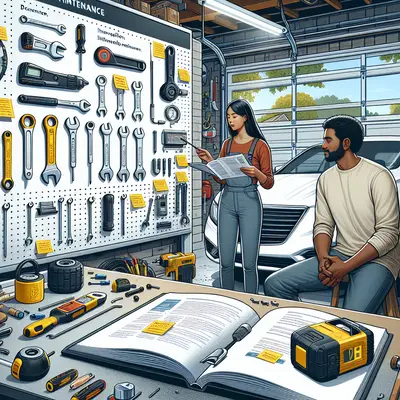
When a door becomes noisy, hesitates, or falls “out of rhythm,” the true issue is often subtle misalignment or imbalance, not a single failed part. A high-quality technician will weigh the door, verify spring specifications, measure track plumb and level, and assess cable tension across both sides. Adjusting each variable back into harmony can extend the life of your existing hardware far beyond what a simple “swap the broken piece” approach would achieve.
This systems-based repair strategy also protects your investment in a premium door or opener. Correctly balanced doors place dramatically less stress on motors and gears, which means smoother operation and fewer disruptive failures over time.
Insight 2: Silence Is Not Cosmetic—It’s a Diagnostic Advantage
Many homeowners think of a loud garage door as an annoyance rather than a red flag. In a refined home, sound is information: it tells you what’s working and what’s beginning to fail.
Upgrading from standard steel rollers to high-quality nylon or precision ball‑bearing rollers can lower noise significantly, but the real benefit is increased sensitivity. Once the “background racket” is reduced, you can hear minor changes: a faint metallic scrape that suggests track misalignment, a sharp click at the hinge line that hints at loose fasteners, or a brief whine that may signal opener strain.
Pair this with a disciplined lubrication routine using the correct products—silicone-based or lithium-based lubricants on rollers, hinges, and springs (never heavy, dirt-collecting grease on the tracks themselves). This doesn’t just make the door quieter; it turns every cycle into a low-key inspection, where any new sound becomes an early warning rather than a late-stage failure.
Insight 3: The Opener Is a Lifestyle Choice, Not Just a Motor
For many homes, the garage is now the primary entry. The opener you choose shapes your daily experience as tangibly as a front door lockset or keyless entry system. Yet opener selection is often reduced to horsepower ratings and price.
A more considered approach looks at how the garage fits into your life:
- Attached garages with living space above often benefit from ultra-quiet belt-drive or wall-mounted (jackshaft) openers that decouple vibration from the ceiling structure. This is less about indulgence and more about preserving acoustic comfort in bedrooms or home offices.
- Technology integration matters if you travel frequently or receive deliveries. Openers with secure, app-based control, encrypted remotes, and integration with major smart home ecosystems allow you to verify closure status remotely and grant timed access—without leaving a keypad code permanently exposed.
- Physical safety and security features such as advanced obstruction sensors, automatic reverse, and locking mechanisms that physically engage the door when closed are non-negotiable in a sophisticated setup. These protect both people and property while maintaining the discretion you expect from a controlled entry point.
Choosing an opener with deliberate attention to noise, control, and security transforms it from a commodity into an invisible concierge for your daily comings and goings.
Insight 4: Small Structural Corrections Prevent Expensive Cosmetic Repairs
When a garage door starts rubbing the frame, leaving faint scuff marks, or closing unevenly by a few millimeters, it’s easy to ignore. Yet these micro‑misalignments often signal issues with the building envelope, not just the door hardware.
Subtle foundation settling, shifting header beams, or sagging jambs can twist the opening just enough to stress panels, warp seals, and put torque on hinges and tracks. A skilled technician will look beyond the door itself—checking the plumb of the side jambs, the straightness of the header, and the integrity of mounting points.
Correcting the underlying structure at this stage—through reinforcement plates, adjusted mounting brackets, or targeted carpentry—can prevent more visible and costly consequences: cracked panels, damaged finish, air gaps that degrade climate control, and even water intrusion during heavy weather. It is a kind of architectural hygiene: quiet, somewhat invisible work that preserves the lines and performance of your door for years.
Insight 5: Weather Sealing Is Comfort Infrastructure, Not a Afterthought
The perimeter seals and bottom gasket of a garage door are often treated as expendable, low-priority details. In reality, they are critical to the comfort, cleanliness, and energy profile of your home, particularly if the garage connects directly to conditioned spaces.
Refined sealing goes beyond simply “adding a rubber strip”:
- Threshold systems can level out minor floor irregularities and create a tighter closing surface, especially valuable for older slabs that have settled or spalled.
- High-quality side and top seals reduce drafts, dust, insects, and outdoor noise, making a partially conditioned or workshop-style garage far more pleasant to use year-round.
- Insulated doors paired with effective sealing stabilize temperatures, reducing the thermal load imposed on adjacent rooms and lowering overall energy usage. This is especially relevant where the garage houses equipment, wine storage, or sensitive materials.
Well-designed sealing quietly protects vehicles, stored items, and finishes from moisture and debris, while subtly improving air quality and acoustics. It’s a modest investment with a disproportionately elegant payoff in everyday experience.
Conclusion
A garage door does not have to be a source of recurring frustration or an afterthought tacked onto an otherwise sophisticated home. When you view it as a precision system, treat noise as a form of feedback, choose an opener that aligns with your lifestyle, protect the structural opening, and prioritize premium sealing, the garage transitions from purely functional to quietly refined.
Addressing issues with this level of intention does more than fix what’s broken—it upgrades the way your home moves, sounds, and feels every time you arrive or depart. In the end, a truly elevated garage door is not about show; it’s about the calm assurance that one of your home’s most complex mechanisms is working in understated, reliable harmony with the rest of your life.
Sources
- U.S. Consumer Product Safety Commission – Garage Door Safety - Overview of safety standards and features for modern garage door openers
- U.S. Department of Energy – Insulated Garage Doors - Explains how insulation and sealing impact energy efficiency and comfort
- International Association of Certified Home Inspectors – Garage Inspection Guidelines - Technical guidance on proper garage door installation, balance, and safety checks
- Cornell Cooperative Extension – Home Air Sealing and Weatherization - Discusses the importance of sealing building openings, including garages, for comfort and energy savings
- LiftMaster – Safety and Security Features Overview - Details on modern opener technology, security features, and smart integration options
Key Takeaway
The most important thing to remember from this article is that this information can change how you think about Garage Doors.