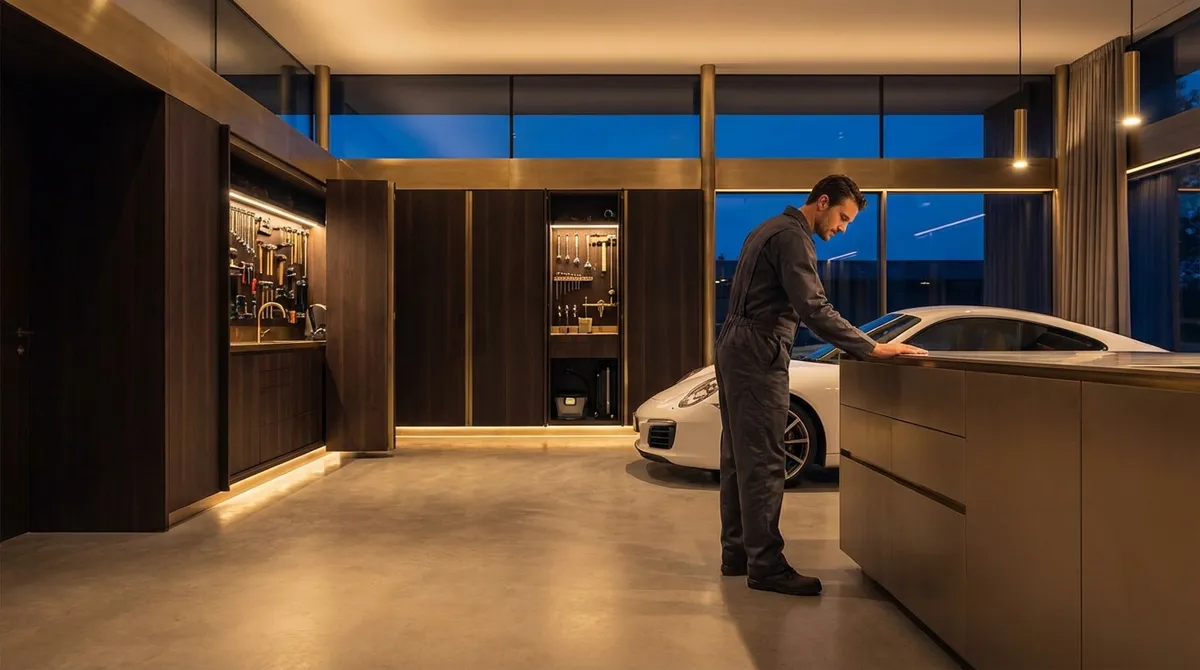
A well‑kept garage doesn’t clamor for attention—it simply works, flawlessly and quietly, as part of a considered home. When issues arise, the difference between a quick fix and a refined solution is measured in longevity, silence, and the way each repair supports the rest of the property. This is where thoughtful, premium repair strategies matter: solutions that respect both engineering and aesthetics, and that anticipate the next decade, not just tomorrow morning.
Below are five exclusive, detail‑driven insights that elevate garage repairs from reactive patchwork to an intentional, long‑term standard of performance.
1. Start with the Envelope: Structure Before Surface
Many garage problems that appear mechanical—noisy doors, misaligned tracks, uneven wear—are rooted in the building envelope itself.
A refined repair begins with the fundamentals:
- Check the slab and framing, not just the door. Hairline cracks, minor slab settling, or bowed framing can subtly twist door openings. This leads to premature spring failure, strained openers, and chronic weatherstripping gaps. A premium repair approach includes a careful inspection of floor level, wall plumb, and header alignment before adjusting hardware.
- Prioritize load paths. If the garage roof or any living space rests above, confirming that beams, posts, and connections are sound is non‑negotiable. Correcting a sagging header with proper shims, steel reinforcement, or engineered lumber often restores smooth door travel more effectively than endless track adjustments.
- Respect moisture as a structural force. Efflorescence on concrete, rust halos around anchors, or spalling at the door threshold are early signals of water intrusion. Addressing drainage, slope, and sealing at this stage protects every mechanical component that follows.
In practice, elite repair solutions start with a structural and moisture “health check,” treating the opening and surrounding frame as a system, not a backdrop.
2. Silence as a Performance Metric, Not a Luxury
Noise is data. A sophisticated repair treats sound not as an annoyance but as a diagnostic.
Rather than relying on lubrication as a blanket remedy, a more exacting process:
- Listens to specific tones.
- High‑pitched squeaks often indicate dry rollers or hinges.
- Rhythmic thuds may point to a deformed section or flat‑spotted rollers.
- A strained hum from the opener suggests misbalanced springs or excessive load, not just a “weak motor.”
- Chooses components for acoustics, not just cost. Nylon rollers with precision bearings, properly sized torsion springs, and vibration‑isolating opener mounts do more than make operation pleasant—they reduce mechanical shock and extend component life.
- Treats lubrication as fine tuning, not concealment. High‑quality, application‑appropriate lubricants—light oil on hinges and bearings, silicone on weatherstripping—are used sparingly and specifically. Over‑lubrication can attract dust and degrade rubber, quietly shortening service intervals.
A garage door that closes with a controlled, muted final contact reflects a repair strategy that values both engineering discipline and daily comfort.
3. Spring and Opener Pairing: Balancing the Hidden Workload
Springs and openers are often serviced independently, but they function as a pair. The most elegant repair solutions recognize that the opener should guide, not haul.
Key principles for a premium outcome:
- Balance first, power second. Properly sized and tensioned springs allow a door to be lifted manually with minimal effort and to remain in place when partially raised. Only once this is correct should opener force settings be tuned.
- Right‑sizing the opener. Oversizing an opener to compensate for poor balance is a common shortcut. A more exacting approach matches opener type and horsepower to door weight, construction, and usage pattern. For attached garages, belt‑drive or direct‑drive units offer quieter, smoother operation that’s more in line with premium interiors.
- Programming as part of the repair. Modern openers have adjustable force, travel limits, and sensitivity for obstruction detection. Carefully calibrated, these settings reduce strain, prevent binding, and enhance safety—especially where children or vehicles frequently move near the door.
This approach treats the opener not as a brute‑force solution, but as a calibrated instrument designed to work in harmony with a properly balanced door.
4. Discreet Weather Management: Comfort Without Compromise
Refined garages manage temperature, dust, and moisture without advertising the effort. Premium repair work addresses gaps and transitions as carefully as visible finishes.
A few distinguishing details:
- Thresholds that cooperate with the slab. Instead of forcing a rigid seal onto an uneven floor, high‑quality repairs adapt with adjustable aluminum thresholds or carefully profiled, adhesive‑set sills. The goal: a continuous line of contact along the bottom of the door without excessive closing force.
- Layered sealing strategy. Effective weather control uses multiple lines of defense—top and side weatherstripping, bottom seals, and, where appropriate, perimeter caulking at jambs. The focus is on controlled compression that maintains seal integrity without deforming door sections.
- Thermal and humidity awareness. In climates with freezing temperatures or high humidity, technicians may recommend insulated door panels, improved attic or wall insulation adjacent to the garage, or strategic ventilation upgrades. Repairs to doors and seals are then calibrated with those broader environmental changes, not in isolation.
The result is a garage that feels temperate, smells clean, and stays dry, while the mechanisms that make it so remain quietly in the background.
5. Service as Curation: Creating a Long-Term Maintenance Blueprint
The most valuable garage repair is often the plan left behind. Rather than handing over a bill and a generic set of instructions, elevated service acts more like curation: documenting the space and making future decisions easier, faster, and more precise.
This may include:
- Component mapping. A simple, well‑organized record of spring sizes, cable types, roller specifications, opener model and firmware, and installation dates. This allows for like‑kind replacements and informed upgrades rather than guesswork years later.
- Priority‑graded recommendations. Instead of a single “all or nothing” repair quote, a refined provider distinguishes between urgent safety issues, medium‑term reliability concerns, and purely aesthetic improvements. Homeowners can then phase work intelligently, aligned with broader property plans.
- Usage‑based service intervals. A lightly used second home garage doesn’t need the same schedule as a primary residence where the door opens dozens of times a day. Calibrating inspection and lubrication intervals to actual use respects both time and budget while preserving performance.
- Future‑proofing with compatibility in mind. When recommending new openers, smart controls, or safety accessories, attention to interoperability—with existing vehicles, home networks, and security systems—prevents obsolescence and integration headaches.
In this view, each repair is not an isolated event but a considered move within the larger lifecycle of the home.
Conclusion
A sophisticated garage is not defined by spectacle, but by the absence of friction—doors that glide, seals that truly seal, mechanisms that feel effortless, and a structure that quietly supports it all. Exceptional repair solutions respect this subtlety. They look beyond the obvious problem, attend to structural and acoustic details, and leave behind not only a corrected fault, but a more coherent, better‑documented, and longer‑lived space.
For homeowners who expect their garage to align with the rest of a carefully curated property, this level of repair isn’t indulgence—it’s simply the appropriate standard.
Sources
- International Code Council – Garage-Related Code Requirements - Provides building code references for structural, fire, and safety standards that influence proper garage repairs
- U.S. Department of Energy – Insulation and Air Sealing - Explains best practices for sealing and insulating, relevant to garage weather management and energy performance
- Clopay Garage Doors – Technical Resources - Offers manufacturer guidance on door balance, hardware, insulation, and component selection
- LiftMaster – Safety and Door Balance Guidelines - Details proper garage door balance tests, opener safety checks, and force adjustments
- Federal Trade Commission – Home Repair and Service Contracts - Covers how to work intelligently with service providers and understand repair proposals
Key Takeaway
The most important thing to remember from this article is that this information can change how you think about Repair Solutions.