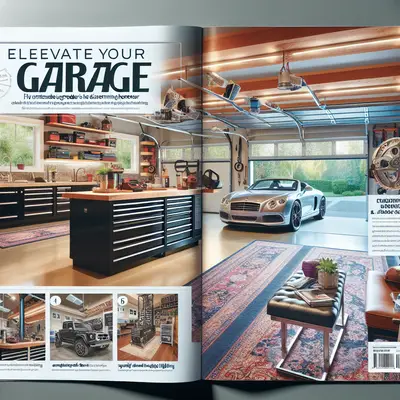
A well‑considered garage upgrade doesn’t shout for attention; it simply makes daily life flow more gracefully. The difference between a basic fix and a refined solution lies in how seamlessly your garage supports your routines—protecting your vehicles, organizing your tools, buffering street noise, and maintaining the visual integrity of your home. When approached thoughtfully, upgrades can transform a utilitarian space into a calm, capable extension of your living environment.
Below are five exclusive, detail‑driven insights for homeowners who expect more than a conventional repair and want a garage that operates with quiet intelligence behind the scenes.
1. Start with the Envelope: Thermal and Acoustic Refinement Before Aesthetics
Many homeowners begin with visible upgrades—new motors, fresh paint, or upgraded hardware—yet overlook the “envelope” of the garage: doors, walls, ceiling, and floor. This is where comfort, durability, and long‑term efficiency are truly decided.
Insulated, well‑sealed garage doors dramatically stabilize interior temperatures, making the space more usable year‑round and easing the workload on adjacent HVAC zones. High‑quality weatherstripping around the perimeter, properly sealed wall penetrations, and insulated ceilings help prevent drafts, moisture intrusion, and dust migration into the main house. If your garage adjoins a bedroom or office, adding acoustic insulation in shared walls and a solid-core service door can turn a noisy, rattling space into a muted backdrop. These upgrades may be invisible from the curb, but they redefine how quietly and comfortably your garage performs.
2. Treat the Floor as Infrastructure, Not Decoration
Garage flooring is often reduced to a purely cosmetic decision: bare concrete or a decorative coating. A more sophisticated approach treats the floor as critical infrastructure. Moisture‑tolerant, slip‑resistant surfaces with proper preparation and installation can prevent long‑term structural issues, not just stains.
Before choosing epoxy, polyaspartic, or modular tile systems, an assessment of slab condition, vapor transmission, and drainage is crucial. Proper concrete repairs, crack injection where needed, and moisture mitigation ensure coatings bond correctly and do not peel prematurely. A high‑quality floor system resists chemicals, hot tire pickup, and abrasion from tools and equipment, while subtly improving light reflectivity for better visibility. The result is a garage that feels clean and composed—even when you’re in the middle of a project—because the foundation of the room has been thoughtfully engineered, not merely decorated.
3. Calibrate the Door System, Don’t Just “Upgrade the Opener”
Replacing an old opener with a newer, quieter model is common; tailoring the entire door system as an integrated mechanism is far rarer—and far more effective. Springs, tracks, rollers, hinges, and the opener must be selected and adjusted as one calibrated system, matched to the door’s weight, size, and usage pattern.
For example, torsion springs rated for higher cycle counts offer a more refined experience for homes that open and close the door many times a day, reducing fatigue and unexpected failures. Nylon‑coated rollers glide more quietly than bare metal, while properly aligned tracks prevent the subtle shudder and vibration that many homeowners accept as “normal.” Smart openers with soft‑start and soft‑stop features further reduce strain on the system. When these elements are balanced and precisely tuned, the transformation is noticeable: the door lifts with a smooth, almost effortless motion, sound levels drop, and mechanical stress is minimized, extending the service life of the entire assembly.
4. Design Storage as a System, Not a Collection of Containers
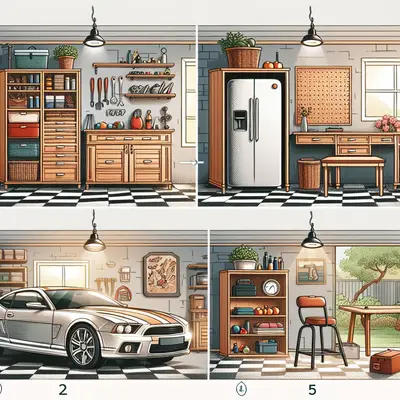
Ad‑hoc bins, freestanding racks, and overflowing shelves are the visual signature of a garage that evolved without a plan. A premium upgrade treats storage as a holistic system that anticipates how you live—from seasonal sports gear and holiday décor to tools, chemicals, and bulky equipment.
Ceiling‑mounted racks reclaim overhead space for long‑term storage, while wall‑mounted track systems and cabinetry can be zoned: one area for daily‑use items, another for hobbies, another for vehicle care. Lockable cabinets and ventilated enclosures for chemicals enhance both safety and aesthetics. When designed around your actual inventory and habits (rather than generic “garage kits”), the result is a space where everything has a logical home, surfaces stay clear, and the garage can transition smoothly between workshop, staging area, and vehicle storage without chaos. The sophistication is in the planning: form follows function, and clutter has nowhere to take root.
5. Layer Smart Technology Thoughtfully, Not Just for Convenience
Smart upgrades in the garage can be elegant or intrusive, depending on how they are chosen and configured. A refined approach focuses on quiet reliability, security, and subtle convenience rather than gadget accumulation.
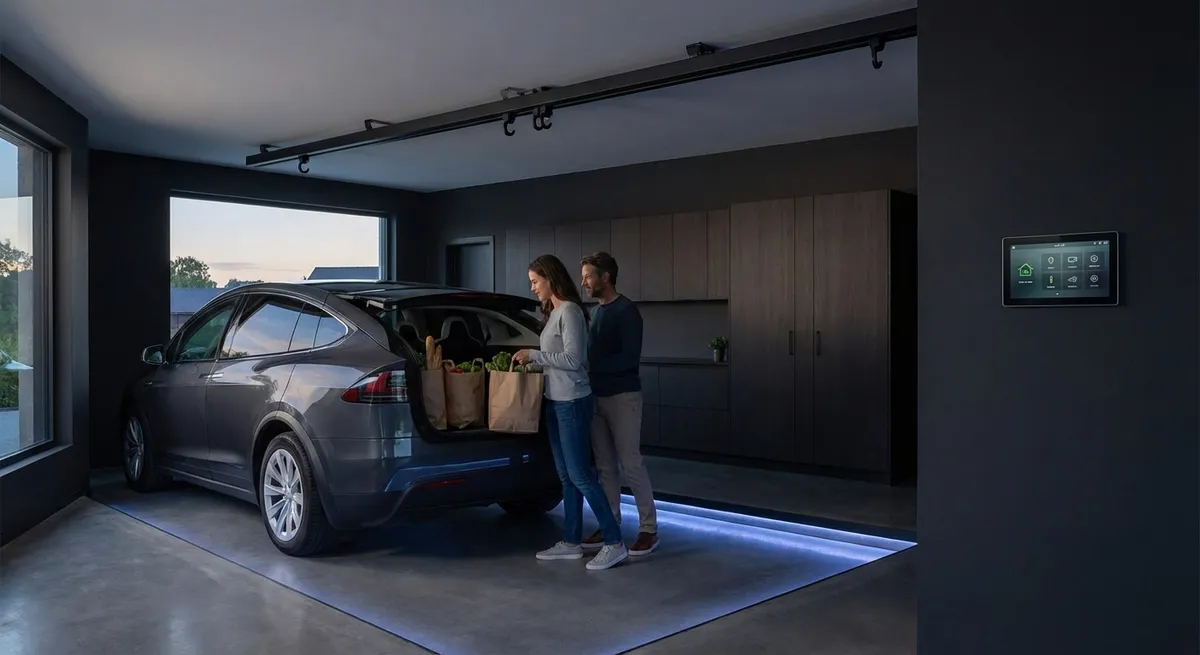
Smart door openers with encrypted signals and activity logs can integrate with home security systems, allowing you to verify whether the door is closed and who accessed it, without introducing complex routines. Discreet, hard‑wired sensors for carbon monoxide, natural gas, and smoke can alert you early to issues with vehicles, water heaters, or appliances housed in the garage. Motion‑sensing, high‑CRI LED lighting creates bright, true‑to‑color illumination that feels more like a well‑designed interior room than a back‑of‑house space, all while reducing energy consumption. The goal is a garage that quietly responds to your presence and protects your home’s perimeter—technology that recedes into the background yet elevates the entire experience of using the space.
Conclusion
Elevating a garage from a basic storage bay to a refined, responsive extension of the home is less about dramatic gestures and more about disciplined, intelligent upgrades. By starting with the building envelope, respecting the floor as infrastructure, calibrating the door system, systematizing storage, and layering smart technology with restraint, you create a space that works harder and feels calmer every day.
The most successful garage upgrades are those you stop noticing: the door that no longer groans, the floor that never feels damp, the storage that simply makes sense, and the technology that protects quietly in the background. In that understated reliability lies a level of luxury that homeowners with exacting standards will immediately recognize.
Sources
- U.S. Department of Energy – Insulation and Air Sealing - Guidance on insulating and sealing building envelopes, relevant to improving garage comfort and efficiency
- International Code Council – Garage Fire Safety Provisions - Building code considerations that affect wall, door, and separation details between garage and living spaces
- California Air Resources Board – Indoor Air Quality and Garage Contaminants - Information on pollutants migrating from garages into homes and strategies to control them
- U.S. Consumer Product Safety Commission – Garage Door Safety - Safety and performance considerations for garage door systems and openers
- Lawrence Berkeley National Laboratory – LED Lighting Facts - Research on LED lighting performance and benefits, applicable to planning efficient, high-quality garage lighting
Key Takeaway
The most important thing to remember from this article is that this information can change how you think about Upgrades.