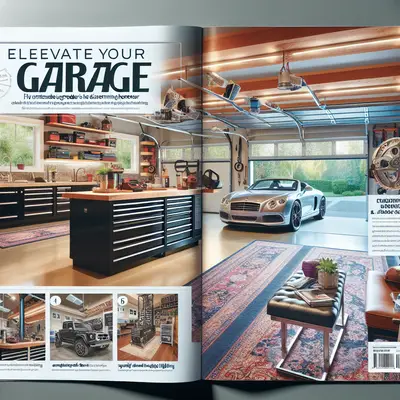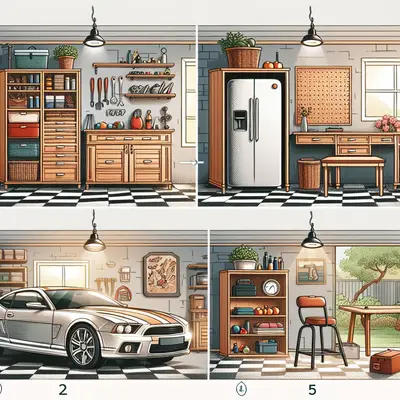
A well-resolved garage never announces itself loudly. It simply works—silently, reliably, and with a level of refinement that makes every arrival and departure feel composed. For discerning homeowners, the garage is no longer a forgotten utility zone; it is a precision space where smart upgrades defend property value, preserve equipment, and introduce an almost invisible layer of daily comfort.
The following exclusive insights focus on upgrades that don’t scream for attention but deliver it where it matters most: in performance, longevity, and the quiet assurance that your garage is working harder—and smarter—than it looks.
Reframing the Garage: From Catch-All Room to Mechanical Ecosystem
Treating the garage as an ecosystem rather than a storage bin changes every decision you make about it. The door, opener, floor, insulation, and wiring are not isolated elements; they are interdependent components that either support or undermine one another.
A door that seals properly reduces dust infiltration, which in turn protects stored tools and mechanical systems from abrasion and corrosion. Thoughtfully placed LED fixtures reduce shadows, making small mechanical faults or leaks visible before they become expensive repairs. A well-balanced opener and torsion spring system reduces strain on hardware, extending service life and cutting down on emergency calls. Viewing the space through this systems lens helps justify upgrades that may seem subtle on the surface but dramatically improve reliability and safety over time.
Insight 1: Upgrade the Door Core, Not Just the Door Face
Most garage door “upgrades” focus on style. For a performance-driven garage, the core matters more than the panel design.
A higher-quality, insulated steel or composite door with a polyurethane or polystyrene core accomplishes several things simultaneously: it helps stabilize garage temperature, cuts down on street and mechanical noise, and reduces condensation that can quietly attack tools, stored finishes, and even the vehicle itself. The increased rigidity of a better core also helps the door track more cleanly, which puts less stress on rollers, hinges, and the opener’s drive system.
Instead of simply replacing a worn door with a similar one, consider a door with:
- A higher R-value suited to your climate
- Heavier-duty hinges and rollers rated for more cycles
- A reinforced bottom section to better seal against the floor and resist impact
The result is an upgrade that looks understated but transforms your daily experience every time the door moves.
Insight 2: Specify the Opener as You Would a Critical Appliance
The opener is the garage’s unseen butler, and most homes underspecify it. A premium, properly sized opener can mean the difference between a door that glides with composure and one that rattles itself toward premature failure.
Belt-drive or direct-drive openers are markedly quieter than chain-drive units and pair elegantly with insulated doors. Battery backup ensures the door remains operable during outages—especially important if the garage is a primary entry to the home. Some modern openers include soft-start/soft-stop operation, gradually ramping up and down to avoid harsh jerks that stress hardware.
Smart integration is more than a convenience. Remote monitoring and alerts can confirm that the door is closed after a delivery, or notify you if it cycles unexpectedly. Approached as an essential appliance—rather than a commodity—your opener becomes a protective system for both security and mechanical longevity.
Insight 3: Use the Floor as a Protective Surface, Not an Afterthought
Garage floors often bear the scars of neglect: hot tire pickup, oil stains, surface spalling, and fine dust that migrates into the home. Upgrading the floor is not about showroom gloss; it is about controlled performance.
A properly prepared and coated floor—whether with a professional-grade epoxy system, polyaspartic coating, or high-quality penetrating sealer—turns the slab into a predictable, cleanable surface. This protects against road salt, moisture intrusion, and chemical spills that can silently deteriorate concrete and corrode stored items. It also improves traction, reducing slip hazards when the floor is wet.
An elevated floor system should include:
- Crack repair and moisture assessment before any coating
- Light, diffuse color tones to reveal leaks or drips quickly
- Integrated anti-slip texture, especially near entries and work zones
The upgrade is subtle to visitors but invaluable to anyone who actually maintains vehicles or equipment in the space.
Insight 4: Stabilize the Environment: Insulation, Air Sealing, and Ventilation
A refined garage is not about making the space “cozy” but about making it stable. Controlled temperature and humidity protect mechanicals, stored materials, and the building envelope itself.
Strategic upgrades might include:
- Insulating exterior walls and the garage door to reduce temperature swings
- Weatherstripping around the door perimeter and a high-quality bottom seal to minimize air and water infiltration
- Properly sized ventilation or exhaust, especially if the garage doubles as a workshop or houses combustion appliances
- Air sealing the wall and ceiling assemblies that separate the garage from living spaces, to reduce fumes, carbon monoxide, and pollutants entering the home
This controlled environment protects finishes, discourages rust, and creates a safer air boundary between the garage and interior rooms. It turns the garage from a harsh transition zone into a buffered, predictable space.
Insight 5: Design the Ceiling Plane as Your Performance Grid
Most garages waste their most valuable real estate: the ceiling. Rather than simply hanging a few hooks, consider the ceiling as a performance grid that can be precisely curated.
Well-designed overhead storage systems keep seasonal items off the floor, but the premium approach goes further. Slotted or rail-based systems can be laid out to avoid conflicts with door tracks and opener rails, distributing load to framing members rather than relying on improvised fasteners. Integrated cable management and conduit allow for clean routing of power for openers, EV chargers, and task lighting.
This overhead “infrastructure layer” makes future upgrades easier: adding a new light circuit, a retractable power cord, or even a lift system for bikes or sports equipment becomes organized instead of chaotic. The result is a sense of quiet order overhead that subtly defines the entire space.
Conclusion
Elevating a garage is not about dramatic reveals. It is about intelligent, layered upgrades that transform a hardworking space into a disciplined, low-friction part of your home’s daily rhythm. The strongest investments are often the least ostentatious: a better insulated door, a properly specified opener, a sealed and protected floor, a stable interior environment, and a ceiling planned as thoughtfully as a mechanical room.
When these elements work together, the garage ceases to feel like an exposed perimeter and instead becomes a controlled, high-functioning extension of the home—one that repays attention with reliability, safety, and a quiet sense of precision every time the door closes behind you.
Sources
- U.S. Department of Energy – Insulation and Air Sealing – Guidance on insulation, air sealing, and controlling heat flow, applicable to garage walls and doors
- International Association of Certified Home Inspectors – Garage Inspection Guidelines – Detailed overview of safety, structural, and mechanical considerations in garages
- Consumer Reports – How to Buy a Garage Door Opener – Independent advice on opener types, noise levels, and features
- United States Environmental Protection Agency – Indoor Air Quality in Garage-Connected Homes – Information on fumes, pollutants, and best practices for attached garages
- Portland Cement Association – Concrete Slab Maintenance – Technical details on protecting and maintaining garage concrete floors
Key Takeaway
The most important thing to remember from this article is that this information can change how you think about Upgrades.