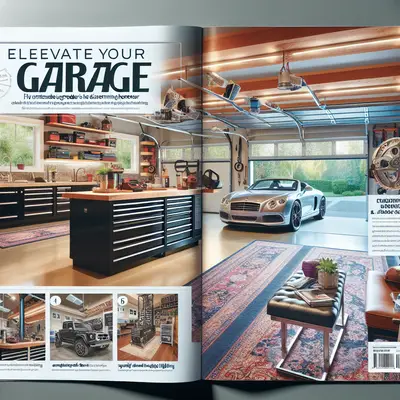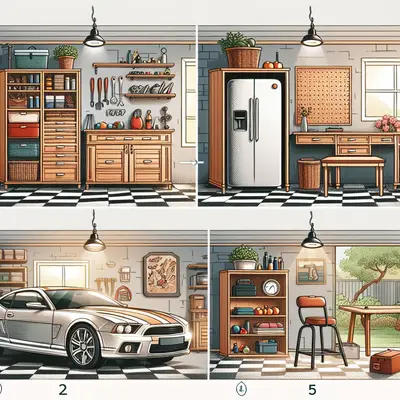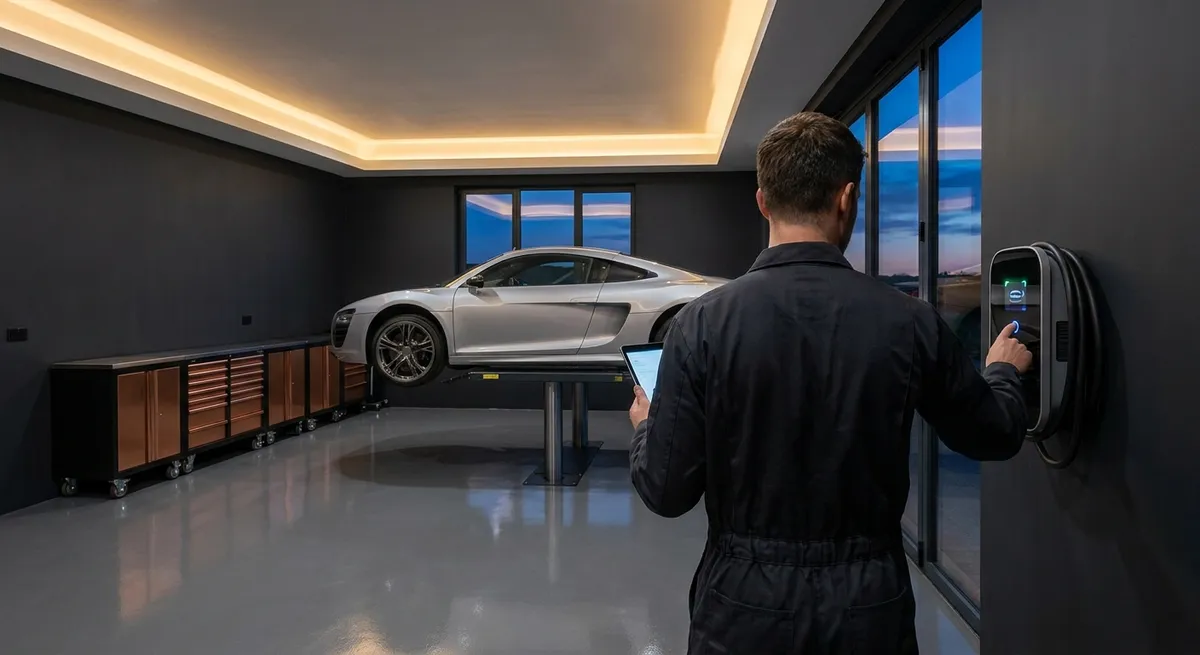
For discerning homeowners, the garage is no longer an afterthought—it is a functional antechamber to the home. It stores prized vehicles, shelters investment-grade equipment, and frames your daily departures and arrivals. Yet many garages operate with the mechanical subtlety of a factory floor rather than the refinement of a modern residence. Upgrading this space is less about ostentation and more about elevating performance: quieter mechanisms, smarter controls, safer infrastructure, and materials that age gracefully.
Below, you’ll find five exclusive, detail‑driven upgrade insights designed for homeowners who expect their garage to operate with the same precision and composure as the rest of their property.
1. Spec’ing a Motor That Matches Your Lifestyle, Not Just Your Door
Most homeowners choose a garage door opener based on horsepower alone, but refinement lies in matching motor technology to your usage pattern and environment.
A DC motor with belt drive is typically the gold standard for premium homes: it delivers smoother starts and stops, reduced vibration, and ultra‑quiet operation—particularly important if there is living space above or adjacent to the garage. For extremely heavy or oversize doors (insulated steel, custom wood, or multi‑panel glass), a wall‑mounted jackshaft opener can free the ceiling, reduce resonance, and provide more consistent lift across the torsion bar.
Beyond motor type, advanced openers with soft-start/soft-stop profiles and built‑in battery backup shift the experience from merely functional to confidently reliable. The battery backup is not only a convenience during outages; in regions with harsh winters or frequent storms, it is a safety feature that ensures you never need to operate an unbalanced or frozen door manually.
A refined specification process includes:
- Confirming door weight and balance before choosing motor size
- Prioritizing DC motors with variable speed over traditional AC units
- Verifying compatibility with modern safety sensors and smart controls
- Ensuring the motor’s duty cycle matches your expected daily use (especially for multi-car households)
The result is a system that feels calm, deliberate, and capable—even under demanding conditions.
2. Upgrading the “Invisible” Envelope: Thermal, Acoustic, and Air Sealing Performance
Many upscale homes invest heavily in windows and wall insulation while leaving the garage as a thermal and acoustic weak link. An elegant upgrade strategy focuses on building the garage’s performance envelope without sacrificing aesthetics.
Key moves include:
- Insulated door panels with a high R‑value and solid internal construction (not just thin foam backing) to reduce temperature swings and road noise
- Perimeter weatherstripping on the jambs and header, upgraded from brittle builder‑grade vinyl to flexible, UV‑resistant rubber that seals more completely
- A premium bottom seal system with an aluminum retainer and high-quality bulb or T-style gasket to close gaps along uneven floors
- Air sealing the shared wall between garage and home with proper caulking, gaskets around outlets and switches, and sealed penetrations for plumbing and wiring
These upgrades deliver immediate, tangible benefits: a more stable temperature for stored items, reduced fumes and dust migration toward the living space, and a quieter atmosphere that better suits luxury vehicles and high-end tools. When combined with a modest heating or cooling solution—or even a smart, humidity‑aware ventilation fan—you transform the garage from a harsh buffer zone into a controlled environment.
The sophistication lies in precision: professionally installed seals that align perfectly, door panels that operate without rubbing or flexing, and a consistent barrier between the garage and the conditioned interior of your home.
3. Lighting as a Performance Tool, Not Just Illumination
In many garages, lighting is an afterthought: a single bare bulb or a mismatched cluster of DIY fixtures. A refined upgrade treats lighting as a productivity system, turning the garage into a high‑performance workshop, detailing studio, and safe passageway.
Rather than simply adding brightness, focus on layered, purpose-driven lighting:
- Ambient lighting: LED strip or linear fixtures across the ceiling, chosen for high color rendering (CRI 90+), so paint colors, finishes, and fluids appear true to life
- Task lighting: Focused lighting over workbenches, tool walls, and detailing zones—either adjustable arm lamps or under‑cabinet fixtures to eliminate shadows
- Vertical illumination: Wall‑wash lighting near storage systems and vehicle flanks to better see dings, scratches, or loose items that could damage doors
- Entry and perimeter lights: Smart sconces or integrated fixtures near doors and steps to reduce trip hazards and guide nighttime access gracefully
Opt for fixtures rated for garage or damp environments, with sealed housings that resist dust and insects. Consider integrating motion‑activated zones with gentle ramp‑up and fade‑down so lighting feels composed rather than abrupt. Tie the system to your smart home platform, enabling “Arrival,” “Workshop,” and “Night Mode” presets rather than fumbling with individual switches.
This approach aligns the garage with the rest of the home’s lighting design: controlled, intentional, and responsive to how you actually live.
4. Smart Access with a Security Mindset, Not Just Convenience
Smart garage controls are often sold as convenience gadgets, but their true value for higher-end homes lies in access control, auditability, and risk reduction.
A thoughtfully upgraded access system includes:
- A smart opener with encrypted communication and rolling-code technology to reduce code-grabbing vulnerabilities
- App-based control that logs openings and closings, so you can see precisely when the door was used and by whom
- Temporary or role-based access: digital keys or codes for trusted service providers, cleaners, or delivery personnel that limit their access to specific times or days
- Integrated sensors on the pedestrian door and overhead door to confirm closed/locked status from anywhere
- A camera with a tight field of view focused on the door threshold—not your entire interior garage—to balance security awareness with privacy
For advanced protection, consider combining door status monitoring with carbon monoxide and smoke detectors rated for garages. If an idling car, malfunctioning appliance, or electrical issue arises, your system can automatically alert you and, in some ecosystems, prevent the door from remaining shut while dangerous levels build.
This is access control that respects the value of what’s inside your garage and the privacy of your household, rather than treating the space as just another “smart toy” to connect.
5. Structural Integrity and Floor Systems That Honor What You Park
Luxury vehicles and precision equipment deserve more than a cracked, dusty slab and flimsy anchor points. An elevated garage upgrade considers both load-bearing integrity and surface performance.
Begin with a structural assessment:
- Confirm there are no major cracks, heaving, or settling in the slab that could affect door alignment or vehicle storage
- Reinforce overhead storage and ceiling-mounted racks with proper lag bolts into framing, not drywall anchors, and verify load ratings with a comfortable safety margin
- Ensure wall-mounted storage systems are anchored into studs or engineered tracks, especially for heavier tools or sports gear
For the floor, a premium solution goes beyond basic paint:
- Professional epoxy or polyaspartic coatings create a non‑dusting, chemical‑resistant surface that stands up to road salts, oils, brake fluid, and cleaning solvents
- A slight texture in the top coat improves slip resistance without feeling abrasive or difficult to clean
- Integrated expansion joint treatments and careful edge detailing result in a system that looks continuous and intentionally finished, rather than pieced together
If you store collector vehicles or high-performance cars, you may also consider tire-friendly coatings that resist “hot tire pickup” and subtle slope improvements directing meltwater away from walls and toward a floor drain or threshold.
This is where the garage stops feeling like a raw utility space and begins to function as a well-appointed bay—one that respects the mechanical precision of what it shelters.
Conclusion
Upgrading a garage to a truly high-performance space is not about overstatement; it is about discipline, intention, and respect for the mechanical systems that frame your daily life. A quieter, better-matched motor; a properly sealed and insulated envelope; layered, task-appropriate lighting; smart access with a security-forward mindset; and structurally sound, high-quality floor systems collectively create a garage that works as elegantly as it looks.
For the homeowner who notices the difference between adequate and exceptional, these upgrades are not indulgences—they are the calm, reliable infrastructure behind every effortless departure and dignified return.
Sources
- U.S. Department of Energy – Insulation and Air Sealing – Guidance on improving building envelopes, with principles applicable to garage insulation and air sealing
- International Association of Certified Home Inspectors – Garage Inspections – Professional insights on garage structural considerations and common defects
- UL Solutions – Garage Door Operator Safety Requirements – Overview of safety and performance standards influencing opener selection and smart controls
- Occupational Safety and Health Administration (OSHA) – Lighting Requirements – Baseline recommendations for work-area lighting, useful as a reference when designing garage lighting upgrades
- American Society of Home Inspectors – Garages and Fire Safety – Discussion of safety, separation from living spaces, and code considerations relevant to upgrading garage environments
Key Takeaway
The most important thing to remember from this article is that this information can change how you think about Upgrades.