A well‑kept garage is less a utility room than a discreet cornerstone of the home’s reliability. It is the threshold where architecture meets machinery—where doors, openers, weather seals, floors, and storage systems are tested every single day. Thoughtful maintenance here is not a chore; it is a quiet, ongoing assurance that everything works when you expect it to, and continues to reflect the standards you set for the rest of your home. In this guide, we look beyond basic checklists to the refined details that keep a garage composed, dependable, and worthy of the property it supports.
Seeing the Garage as a System, Not a Collection of Parts
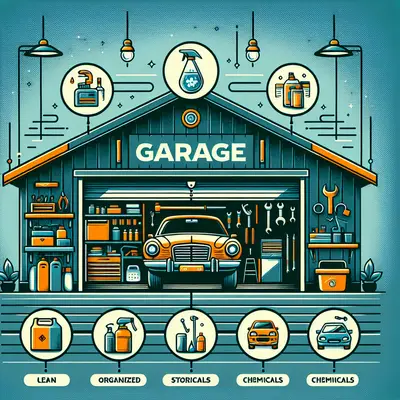
Sophisticated garage maintenance begins with a systems mindset. Instead of treating problems as isolated—“the door is noisy,” “the opener is slow”—consider how each component influences the others: springs govern balance, balance governs motor strain, motor strain governs noise and longevity. This perspective changes how you prioritize work; a slightly misaligned track is not just a cosmetic quirk, but a precursor to motor fatigue and premature spring wear.
When you look at the garage as a system, small irregularities become meaningful signals rather than background noise. A subtle hitch in the door’s travel may indicate an emerging imbalance. A faint burning smell after operation may be the opener’s protective circuitry doing more work than it should. The goal is not only to fix what is broken, but to understand why it began to fail. That understanding is what separates reactive repairs from elevated, preventive maintenance.
Precision in Balance: The Foundation of a Stable Door
A properly balanced garage door is the hidden elegance behind smooth, quiet operation. Balance is not merely about whether the door “goes up and down”; it is about ensuring that the springs carry the true weight of the door so the opener acts as a guide, not a lifter. A balanced door can be moved manually with controlled, modest effort, and will stay near the position where you leave it—neither crashing down nor drifting upward.
Imbalances often appear first as subtle symptoms: an opener that labors at a certain point in the travel, a reversed safety sensor trigger in cold weather, or a door that slams the last few inches on closing. These are cues that spring tension and hardware condition warrant attention. Professional adjustment of torsion or extension springs, combined with a careful review of cable condition, anchor brackets, and center bearing plates, restores that controlled equilibrium. Homeowners who insist on proper balance are not just protecting the opener; they are protecting every moving component connected to it.
Exclusive Insight #1:
Most homeowners address balance only when the door becomes obviously heavy. Discerning maintenance incorporates a balance check into seasonal routines—before symptoms appear. An annual professional balance assessment, accompanied by a written condition report, turns an invisible variable into a managed one.
Calibrated Openers: Fine-Tuning Force, Speed, and Safety
The modern garage door opener is less a simple motor and more a calibrated control system—especially with belt‑drive and direct‑drive units. Yet many are installed with factory default settings and never refined. Proper force limits, travel limits, and speed profiles can transform how the door feels and sounds, and how long the opener will last.
Force settings that are too high may allow the door to power through obstructions, undermining safety systems. Settings that are too low, or poorly coordinated with a slightly heavy door, create nuisance reversals and unnecessary strain. Similarly, over‑aggressive closing speeds can magnify track imperfections and hardware vibration, while thoughtfully moderated speed reduces shock loads at the start and stop of travel.
Exclusive Insight #2:
Treat your opener’s configuration the way you would a high‑end appliance: request a post‑installation calibration session. A meticulous technician can refine force thresholds, soft‑start and soft‑stop characteristics (if available), and travel limits to match your specific door weight, track layout, and climate. The result is smoother motion, reduced wear, and a noticeably more composed sound profile.
Environmental Control: Managing Moisture, Air, and Light
A garage’s mechanical components exist in a challenging micro‑climate—fluctuating temperatures, moisture from vehicles, wind‑driven dust, and occasional direct sun. Intelligent maintenance addresses these environmental influences, not only the hardware itself. Adequate but controlled ventilation helps manage humidity that can corrode springs and rollers, degrade electronics, and encourage mold in unfinished areas.
Weatherstripping and bottom seals serve a dual purpose: they protect the threshold from water intrusion and stabilize interior conditions. Over time, seals harden, crack, or flatten, compromising not just comfort but also the lifespan of steel components, stored items, and even the integrity of the floor coating. Thoughtful homeowners also pay attention to light exposure—frosted or UV‑filtered windows can protect stored finishes, tools, and even opener plastics from slow, uneven degradation.
Exclusive Insight #3:
Maintenance is not only about replacing worn seals; it’s about specifying the right materials. Upgrading to high‑quality, UV‑resistant seals and gaskets tailored to your region’s climate protects both the door assembly and the contents of the garage. Included in this is a periodic check of drainage patterns at the driveway‑to‑garage transition to prevent standing water that accelerates corrosion and concrete damage.
Hardware and Lubrication: Refining the Mechanics, Not Just Silencing Them
Lubrication is often treated as a universal solution—“spray everything and it will be fine.” Elevated maintenance is more selective. Different components benefit from different products: nylon rollers often require minimal or no lubrication, steel rollers and hinges benefit from a high‑quality silicone or light garage‑specific lubricant, and tracks themselves should be clean rather than greasy. Over‑lubricated tracks collect dust and grit, turning a once‑smooth path into an abrasive channel that degrades wheels and bearings.
Fastener integrity is equally critical. Lag bolts securing opener brackets to framing, track attachment points, and strut screws across the door sections should all be periodically inspected and torqued appropriately. Micro‑movements at these junctions evolve into noise, misalignment, and, in severe cases, structural failure of panels. Replacing aging steel rollers with sealed, precision bearings or upgrading hinge sets is not a cosmetic refinement; it is a direct investment in quieter, lower‑friction motion and extended service intervals.
Exclusive Insight #4:
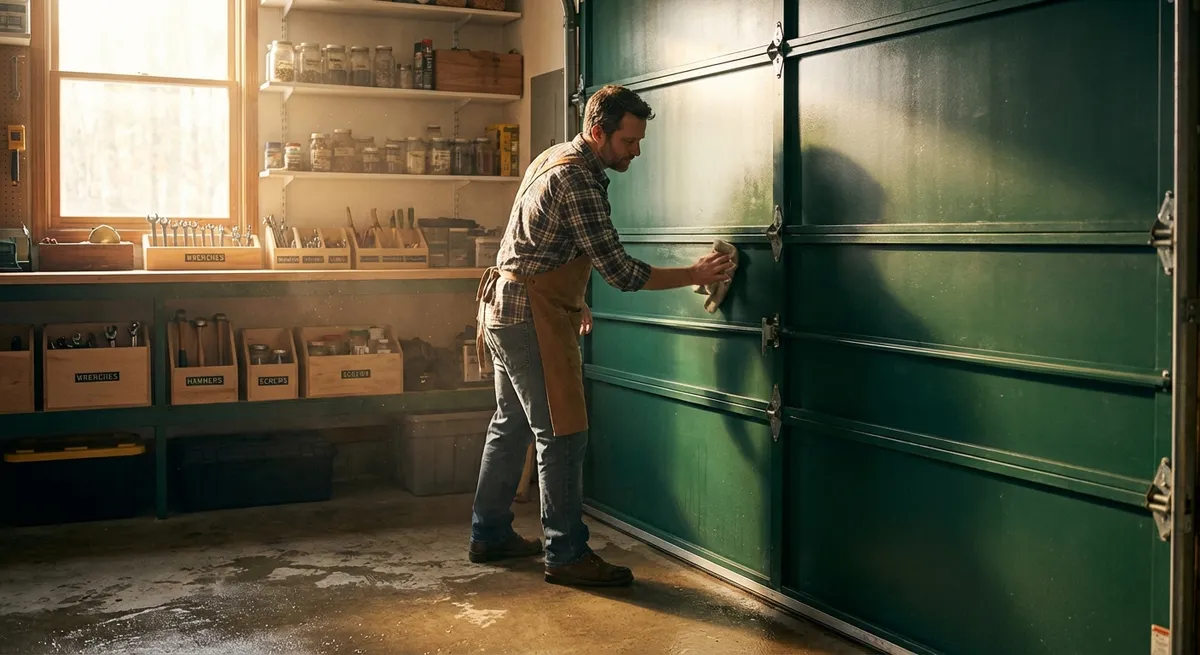
The most effective “noise reduction” service is often a carefully executed mechanical refresh: cleaning tracks, tightening hardware to spec, replacing budget rollers with higher‑grade units, and using the right lubricant in very controlled quantities. This approach addresses the source of friction and vibration instead of masking it with excessive spray.
Floor, Storage, and Power: Extending Maintenance Beyond the Door
A premium garage is defined not only by how the door moves, but by how the space functions. The floor is a critical, often overlooked maintenance surface. Hairline cracks, salt damage from winter roads, and minor pitting can gradually undermine coatings and create uneven, dust‑producing surfaces. Routine inspection and timely repair—whether via concrete patch, densifier, or a professionally installed coating system—protects both vehicles and equipment.
Storage systems and electrical infrastructure also deserve a place in the maintenance plan. Overloaded overhead racks, poorly fastened wall systems, or improvised power strips can turn a refined garage into a hidden risk zone. Periodic review of anchor points, load ratings, and the condition of outlets, extension cords, and opener wiring is particularly important as technology accumulates: EV chargers, smart openers, heaters, and refrigeration all add to electrical demand.
Exclusive Insight #5:
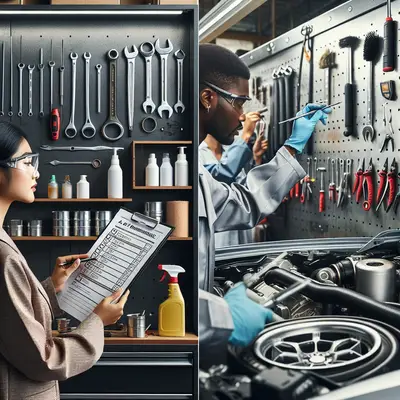
Consider a biennial “garage audit” that includes floor condition, drainage, storage anchors, electrical capacity, and lighting. This holistic review, ideally documented with photos and written notes, allows you to plan upgrades and repairs deliberately instead of reacting to failures—aligning the garage with the same standard of care you apply to kitchens, living spaces, and exterior façades.
Conclusion
Maintenance in the garage is less about reacting to failure and more about curating reliability. A balanced door, a precisely calibrated opener, a controlled environment, properly specified hardware, and a thoughtfully maintained floor and storage system together create a space that works quietly in the background of daily life. The homeowners who treat the garage as a system to be preserved—not just a room to be used—enjoy fewer surprises, longer equipment life, and a level of mechanical refinement that matches the rest of their home. In that sense, the quiet, effortless motion of a well‑maintained garage door is not just convenience; it is a daily expression of disciplined care.
Sources
- U.S. Department of Energy – Insulation and Air Sealing in the Garage – Discusses how garages affect home energy efficiency and the importance of proper sealing and environmental control
- International Association of Certified Home Inspectors (InterNACHI) – Garage Inspection Guidelines – Provides professional insights into common garage defects and best practices for inspection and safety
- Consumer Product Safety Commission – Garage Door Safety – Covers critical safety considerations for garage doors and openers, including force and reversal settings
- Clopay Garage Doors – Maintenance and Care Recommendations – Manufacturer guidance on balancing, lubrication, hardware checks, and routine care for residential garage doors
- LiftMaster – Garage Door Opener Owner’s Resources – Offers detailed advice on opener calibration, safety features, and preventive maintenance practices
Key Takeaway
The most important thing to remember from this article is that this information can change how you think about Maintenance.