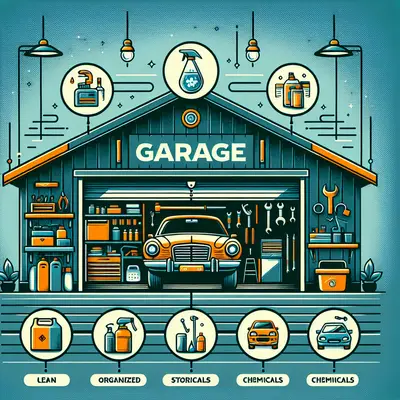
A garage that simply “works” is no longer enough for discerning homeowners. The true benchmark is a space that operates with quiet precision, resists premature wear, and supports the rest of the home instead of undermining it. Thoughtful maintenance is the difference between a perpetually troublesome utility zone and a discreetly competent extension of your living environment. The following insights move beyond routine checklists to reveal how a more exacting approach to garage care safeguards your investment and elevates daily life.
Insight 1: Treat the Garage as a Micro-Climate, Not Just a Room
Most garages are maintained as if they share the same conditions as the rest of the house. They do not. Temperature swings, intermittent heating from parked vehicles, and bursts of humidity from wet tires, snowmelt, and storage items create a unique micro-climate that quietly degrades finishes and hardware.
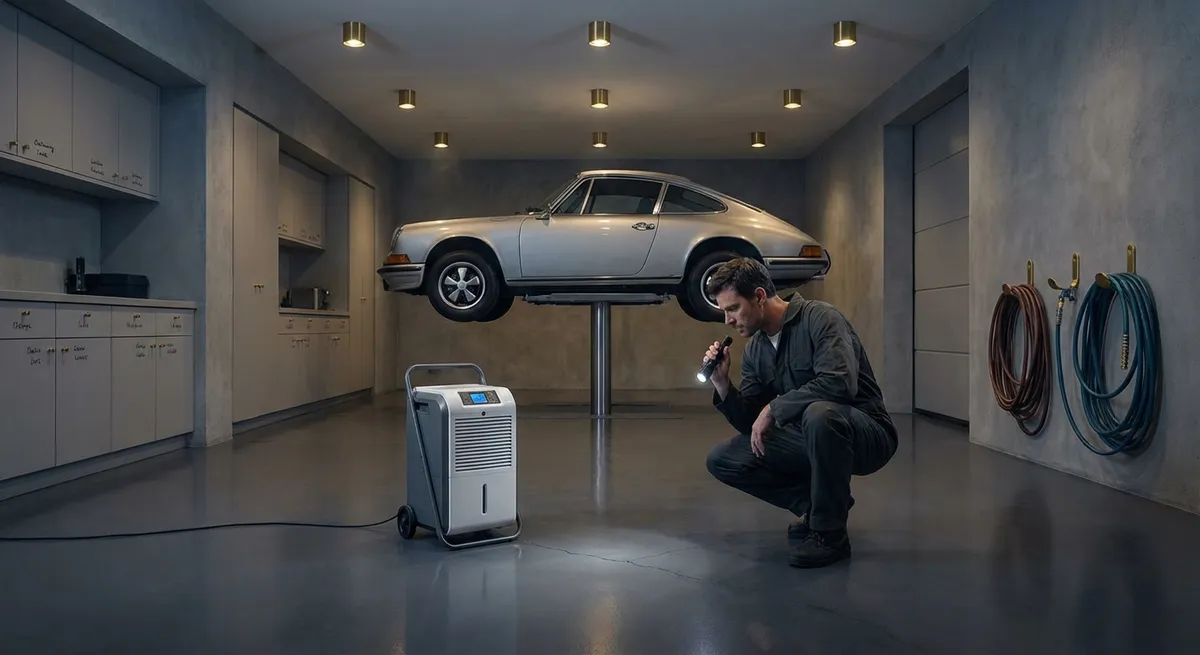
Begin maintenance with climate in mind. Inspect for condensation on windows, metal shelving, and the inside of the garage door on cold mornings; persistent moisture suggests inadequate ventilation or insulation. Consider a modestly sized, dedicated dehumidifier with a continuous drain line rather than relying on ad‑hoc portable units you rarely empty. In mixed or cold climates, ensure the common wall between house and garage is properly insulated and air‑sealed—gaps around outlets and baseboards allow garage air (and fumes) to infiltrate conditioned spaces.
Seasonal checks should include verifying that weatherstripping compresses evenly on all four sides of the door, that thresholds are intact, and that any attic hatch in the garage is gasketed and insulated. By acknowledging the garage as its own micro-climate, you shift from reactive patchwork repairs to a preventive strategy that slows corrosion, deters mold, and preserves finishes long before visible damage appears.
Insight 2: Elevate Door Maintenance to Mechanical Stewardship
For many homes, the garage door is the largest moving component on the property, yet it receives less attention than a basic kitchen appliance. True mechanical stewardship moves beyond spraying a bit of lubricant once a year and hoping for the best.
Start with a monthly silent inspection. Operate the door and listen: a refined system sounds smooth, with no sharp clacks, rattles, or grinding. Observe the door from inside the garage as it travels—track alignment, cable tension, and panel movement should appear fluid, without visible shuddering or uneven gaps between sections. Any deviation is an early warning that a minor adjustment today may prevent a torsion spring failure, cable fray, or opener burnout tomorrow.
Upgrade your routine by using the correct products in the right places. A high‑quality silicone or lithium-based spray is appropriate for hinges and rollers; track interiors should be clean, not greasy, to prevent debris buildup. Check fasteners twice a year—hinges, track brackets, opener mounting points—and re‑torque any that have backed out under vibration. Finally, test the automatic reversal and photo‑eye safety systems monthly with a simple obstruction test; a door that doesn’t stop instantly is not merely an inconvenience, it’s a liability. When you treat the mechanism with the respect you’d give a precision machine, service intervals lengthen and unexpected failures become rare.
Insight 3: Protect the Floor as Infrastructure, Not Décor
A garage floor is often seen as a cosmetic afterthought: paint it, coat it, and forget it. In reality, the slab is infrastructure. It bears vehicle loads, manages water runoff, and influences air quality and comfort. Maintenance that acknowledges this role pays long‑term dividends.
Begin with an honest assessment of drainage. After a car has been parked overnight with wet tires, note where water pools. Persistent puddling near walls or the door’s interior edge can lead to efflorescence, spalling, or even foundation concerns over time. Address low spots early—sometimes a simple self‑leveling overlay or trench drain retrofit near the threshold can redirect meltwater effectively.
If you’re considering or already have a coating system, maintenance is about chemistry as much as appearance. Road salts and de‑icing chemicals attack unprotected concrete and can also degrade poor‑quality coatings. Neutralize them regularly with a pH‑balanced cleaner formulated for garages rather than household detergents that leave residues. Inspect high‑traffic areas for micro-cracking or blistering yearly; subtle failures at tire paths reveal where reinforcement or recoating may be needed.
For bare concrete, sealing is a form of respect. A breathable penetrating sealer, properly reapplied per manufacturer guidance, guards against oil ingress, reduces dusting, and makes future cleanup more efficient. The result is not simply a prettier floor, but a structural surface that resists the quiet, cumulative damage most garages endure.
Insight 4: Curate Storage with Structural and Safety Discipline
Storage in many garages is an organic accumulation: shelving added when needed, hooks where convenient, bins stacked wherever there is floor space. Sophisticated maintenance introduces structural and safety discipline to this chaos, minimizing risk while maximizing service life for both the garage and its contents.
Start by evaluating what is mounted to what. Heavy-duty shelving should be anchored into framing members, not drywall alone. Verify that existing brackets and tracks meet or exceed manufacturer load ratings and that fasteners are neither corroded nor undersized. Overhead storage is particularly critical: inspect for deflection when loaded, confirm every suspension point is secure, and keep stored masses balanced to prevent torsional stress on joists.
Chemicals and fuels merit their own maintenance protocol. Check containers for bulging, rust, and date of manufacture. Old or unstable products (especially oil-based paints, solvents, and lawn fuels) should be disposed of through local hazardous waste programs, freeing space while reducing fire risk. Flammable storage cabinets, if present, require periodic inspection of door seals, vents, and labeling.
This disciplined approach extends to the unseen: ensure that nothing stored blocks electrical panels, GFCI outlets, or access to shutoffs. Clear, intentional pathways not only improve daily use but also ensure that, in an emergency, the garage functions as a safe and navigable space rather than an obstacle course.
Insight 5: Synchronize Lighting, Power, and Safety as a Single System
Lighting, outlets, and safety devices are often treated as independent conveniences. A more refined view treats them as a fully integrated operating system that should be maintained and upgraded in concert.
Begin with visibility. Replace outdated, buzzing fixtures with high‑CRI, color-consistent LED lighting that illuminates both vertical and horizontal surfaces. This makes inspections, repairs, and even simple vehicle checks more precise, and it exposes early signs of leaks, pests, or corrosion. Maintenance here is simple but critical: dust fixtures, confirm lenses are intact, and verify that output has not significantly dimmed over time.
Power deserves equal scrutiny. Inspect GFCI and, where appropriate, AFCI breakers or receptacles to ensure they trip and reset correctly. Outlets near wash basins, floor drains, or exterior doors should be checked annually for secure mounting and heat discoloration. If you use the garage as a workshop, examine extension cords and power strips for nicks or overloading; where temporary measures become permanent, it’s a signal that additional dedicated circuits should be professionally installed.
Finally, tie these elements to safety hardware. Smoke and heat detectors rated for garages, carbon monoxide alarms near the interior door, and emergency lighting or backup power for the opener all require periodic testing and battery replacement. Consider a simple annual “systems day” where you methodically test lighting, outlets, detectors, and the opener’s battery backup. The objective is not only compliance, but confidence—a garage that remains fully functional, even under adverse conditions.
Conclusion
Maintenance, at its highest level, is not about reacting to what breaks. It is the deliberate cultivation of a garage that operates with quiet authority: mechanisms tuned rather than merely repaired, surfaces protected rather than merely cleaned, and systems coordinated rather than improvised. By adopting these five insights—respecting the garage as a micro-climate, elevating door care to mechanical stewardship, protecting the floor as infrastructure, enforcing structural discipline in storage, and synchronizing power and safety—you establish a preservation standard worthy of a sophisticated home. The reward is subtle yet unmistakable: fewer disruptions, reduced long‑term costs, and a garage that supports your lifestyle with a level of refinement you can feel every time the door glides open.
Sources
- U.S. Department of Energy – Air Sealing Your Home - Authoritative guidance on sealing gaps and controlling air movement between garage and living spaces.
- International Code Council – Garage Fire Safety Provisions - Overview of code requirements that inform safe garage layout, separations, and equipment placement.
- Occupational Safety and Health Administration (OSHA) – Flammable and Combustible Liquids - Best practices for storing flammable liquids and chemicals, relevant to garage storage discipline.
- U.S. Environmental Protection Agency – Household Hazardous Waste - Guidance on proper disposal of paints, solvents, and fuels commonly found in garages.
- Lighting Research Center, Rensselaer Polytechnic Institute – Residential Lighting - Research-backed insights into effective lighting design and maintenance for residential spaces, including garages.
Key Takeaway
The most important thing to remember from this article is that this information can change how you think about Maintenance.