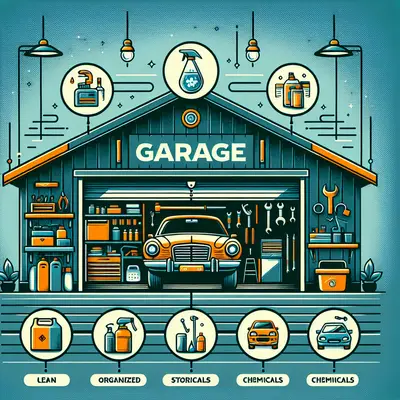
A well‑kept garage is more than a place to park a car; it is a mechanical retreat that quietly protects your vehicles, tools, and the structural integrity of your home. Maintenance in this space is often treated as an afterthought, yet it is here that small oversights become costly failures—warped doors, compromised seals, unsafe wiring, and damaging moisture. By approaching garage care with the same discernment you’d bring to a well‑curated home interior, you not only extend the life of your equipment and finishes, you elevate the entire experience of arriving home.
Below are five nuanced, often overlooked insights that help transform garage maintenance from reactive chores into a refined, long‑view strategy.
1. Engineering the Climate: Treating Your Garage Like a Mechanical Room
Most garages are treated as semi‑outdoor spaces, yet they frequently shelter high‑value assets: vehicles, power tools, battery systems, storage, and even mechanical equipment. Treating this zone as a true mechanical room—rather than a glorified carport—changes how you approach maintenance.
Begin with the envelope. Inspect weatherstripping along the garage door and side entry doors, looking for compressions, cracks, or light leaks. Even hairline gaps allow moisture and fine dust to circulate, accelerating rust on tools and vehicles. Pay attention to the bottom seal on the garage door; a hardened or flattened seal is a direct path for pests, water, and winter air.
Ventilation is equally critical. If your garage routinely retains exhaust fumes or humidity after rain or snowmelt, consider adding a dedicated exhaust fan or upgrading an existing one to a quiet, higher‑capacity model. This is particularly important if you have a water heater, EV charger, or battery storage in the garage—those systems perform best in controlled environments.
Finally, treat temperature as a functional variable, not just a comfort luxury. Even modest insulation upgrades to the garage door and shared walls can stabilize temperature swings, reduce condensation on metal surfaces, and protect paints, adhesives, and stored finishes from premature degradation.
Exclusive insight: Homeowners who store precision tools, wine fridges, or EVs in the garage benefit from maintaining a “tolerance band” of temperature and humidity—aim for a stable, moderate environment rather than chasing full interior‑level comfort. This approach significantly extends the life of both tools and finishes without demanding a full HVAC retrofit.
2. The Door as a Machine: Precision Tuning Beyond Visual Checks
Most garage door maintenance advice stops at “look for frayed cables and listen for strange noises.” That is the absolute baseline. To treat your door as the large, moving machine it is, you need a more precise ritual.
Start with balance. With the opener disconnected (using the manual release handle), lift the door halfway and see if it stays in place. A properly balanced door should hover without drifting up or slamming down. If it doesn’t, you are asking the opener to compensate for a mechanical imbalance—a recipe for premature motor failure.
Next, evaluate how the door glides, not just whether it moves. Clean the tracks with a dry cloth, removing fine grit that accumulates over time, but do not lubricate the track itself. Instead, use a high‑quality garage door lubricant on the rollers, hinges, and springs as specified by the manufacturer. Observe whether the door shifts slightly to one side or “shudders” in sections—both are subtle clues of alignment issues that can wear components in uneven, expensive ways.
Test the safety systems as a matter of routine, not emergency. Confirm that the photo‑eye sensors are aligned and clean, then test the auto‑reverse function using a solid object (like a block of wood) in the door’s path. These checks take minutes and protect both people and property.
Exclusive insight: A finely tuned door should be evaluated at three speeds: manual operation, normal opener speed, and with the opener briefly set to a higher speed (if your unit allows). Differences in smoothness at different speeds can reveal early bearing or roller issues well before visible damage appears.
3. Power, Lighting, and Charging: Quietly Upgrading the Electrical Backbone
As garages evolve from simple storage to multi‑functional workspaces, the electrical system quietly becomes a limiting factor—or a safety concern. Many older homes still rely on a single overhead light and a couple of outlets, often daisy‑chained and poorly labeled.
Start with the panel connection. Verify which breaker controls the garage and whether the circuit is shared with interior rooms or outdoor outlets. A garage that houses power tools, a second refrigerator, or an EV charger deserves dedicated circuits with clearly labeled breakers. If your home is older, have a licensed electrician confirm that garage outlets have proper GFCI protection, particularly in areas exposed to moisture.
Lighting is both a safety asset and a working comfort. Replacing a single bare bulb with high‑CRI LED strips or fixtures transforms visibility, revealing leaks, fine dust, and early signs of corrosion that would otherwise go unnoticed. Ensure fixtures are rated for garages or utility spaces, and position them to minimize shadows on work surfaces and vehicle fronts.
If you are considering (or already own) an electric vehicle, do not treat the charger as an add‑on; treat it as a core feature of your garage’s infrastructure. Confirm that the wiring, breaker size, and layout anticipate future loads. This foresight reduces the need for repeated electrical work as your needs evolve—power tools, compressors, and chargers can coexist without overtaxing the system.
Exclusive insight: Treat the garage electrical layout as a “zoned system”: one circuit dedicated to fixed loads (refrigerator, EV charger), another reserved for high‑draw tools, and a third supporting lighting and low‑draw devices. This zoning mindset dramatically reduces nuisance trips and extends the safe capacity of your setup without feeling overbuilt.
4. Floor as Foundation: Surface Maintenance that Protects Everything Above
The garage floor quietly absorbs the worst of daily life: hot tires, road salt, oil, chemicals, and moisture. Yet its condition influences far more than appearance. A neglected floor can channel water toward walls, wick moisture into stored items, and even undermine the base of the garage door.
Begin with drainage and slope. During a heavy wash or after melting snow, observe where water naturally settles. Any pooling near walls, door tracks, or storage areas is a warning sign. Addressing minor slope issues with strategic floor patching or trough drains can prevent chronic dampness and the subtle, long‑term damage it brings.
Surface protection is the second layer. Whether you choose a professional‑grade epoxy, a high‑quality polyaspartic coating, or interlocking tiles, the finish must be maintained, not just installed. Regularly remove fine grit with a soft‑bristle broom or shop vacuum, as abrasion is the silent enemy of clear coats and top layers. Quickly neutralize oil or chemical spills; even “resistant” coatings degrade over time when exposed to harsh fluids and hot tire lift.
Don’t overlook the interface between floor and wall. Cracks or gaps at this joint invite water infiltration and pests. A clean, neatly caulked perimeter creates a visual and functional line that keeps cleaning efficient and helps you spot leaks or wall issues at an early stage.
Exclusive insight: A lightly satin or semi‑matte floor finish is often more practical than a high‑gloss showroom shine. It better conceals fine dust, micro‑scratches, and tire marks, while still reflecting enough light to brighten the space—maintaining a refined look with less visible maintenance burden.
5. Storage Systems as Preventative Maintenance, Not Just Organization
Most homeowners think of garage storage as an organization problem—bins, hooks, and racks to combat clutter. In reality, the way you store items is a first‑line maintenance system that protects both the items and the garage itself.
Start by pulling vulnerable items off the floor wherever possible. Cardboard boxes wick moisture and become breeding grounds for mold and pests, which then migrate to the structure. Elevating storage on wall‑mounted systems or steel shelving with a few inches of clearance allows air circulation, makes cleaning easier, and keeps stored items dry even during unexpected water intrusion.
Next, divide the space by “environmental sensitivity.” Paints, solvents, and adhesives should live in cooler, shaded zones away from direct sunlight and heat sources. Seasonal items like snow blowers, lawn equipment, and tire sets deserve designated zones that avoid compressing or distorting materials—especially rubber components.
Ceiling storage can be transformative, but it demands restraint. Ensure overhead racks are anchored into structural framing, not just drywall, and keep heavy items above non‑traffic zones. Overloading a ceiling system does more than risk a collapse; it subtly distorts framing and can influence door operation or drywall cracking over time.
Exclusive insight: Think of your storage layout like a museum’s back‑of‑house archive: items are arranged to protect them first, then to access them. When you plan storage around protection—moisture, impact, temperature—you naturally reduce damage, avoid duplicate purchases, and keep the space visually calm and controlled.
Conclusion
Garage maintenance, at its most refined, is less about reacting to breakdowns and more about curating a space where every system—door, electrical, floor, storage, and climate—quietly performs its role with precision. By elevating the garage to the status of a mechanical retreat rather than a forgotten annex, you protect significant investments, enhance daily convenience, and reinforce the structural health of your home.
The difference between a merely functional garage and a truly exceptional one is rarely a single dramatic upgrade. It is the cumulative effect of disciplined, well‑considered maintenance decisions—subtle, deliberate, and unmistakably premium in the way they feel and perform over time.
Sources
- U.S. Department of Energy – Insulation and Air Sealing – Guidance on managing heat loss, drafts, and envelope performance, applicable to improving garage comfort and efficiency.
- International Association of Certified Home Inspectors – Garage Door Safety – Detailed information on safe operation, balancing, and inspection practices for residential garage doors.
- U.S. Fire Administration – Home Electrical Fire Prevention – Authoritative best practices on electrical safety that apply directly to garage circuits, outlets, and equipment.
- U.S. Department of Energy – Electric Vehicles: Charging at Home – Official guidance on residential EV charging considerations and electrical planning.
- The Concrete Center – Concrete Floors in Garages – Technical insights into concrete garage floors, durability concerns, and surface performance.
Key Takeaway
The most important thing to remember from this article is that this information can change how you think about Maintenance.