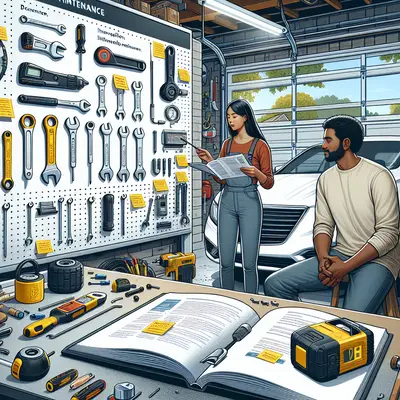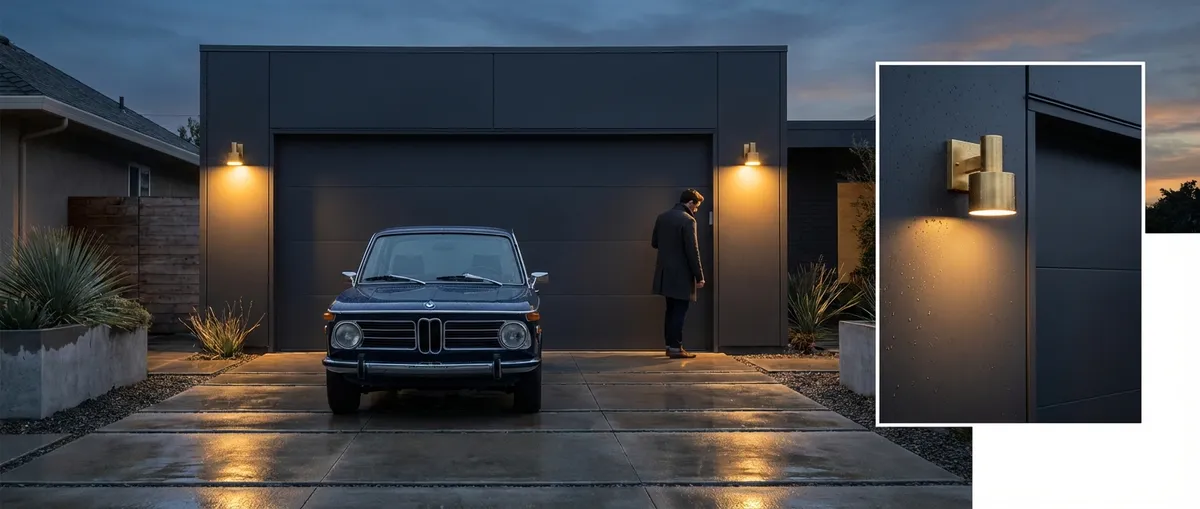
A garage door is more than a moving wall; it is a daily ritual, a threshold between the public street and the private world of your home. When it works perfectly, it all but disappears from your consciousness. When it falters, every creak, hesitation, and misalignment becomes a quiet irritation. This guide explores refined, detail‑driven strategies that turn a merely functional garage door into a precisely tuned system—safer, quieter, and more enduring than most homeowners realize is possible.
Reframing the Garage Door as a Mechanical System, Not Just a Panel
Many homeowners think of the garage door as a single object, when in practice it is an integrated mechanical system whose behavior is dictated by balance, tension, and alignment.
A well‑tuned system begins with spring balance. When correctly calibrated, you should be able to lift the door manually (with the opener disconnected) and have it remain in place at roughly waist or shoulder height without drifting up or slamming down. This balance is not a luxury; it is the foundation of opener longevity and safety. An unbalanced door forces the opener to work as a lifting device rather than a guide, accelerating motor wear and chain or belt fatigue.
The hardware train—hinges, rollers, tracks, and brackets—forms the second pillar of system performance. Misaligned tracks, worn rollers, or loose hinges create torsion and racking forces the opener was never designed to manage. Over time, that subtle resistance manifests as shuddering starts, jerky motion, and “mystery” noises that no amount of lubrication will truly fix.
By redefining the door in your mind as a mechanical system that must remain balanced, aligned, and minimally loaded, you begin to see every small symptom not as an inconvenience but as data—signals that invite precise, preventive correction rather than eventual emergency repair.
Exclusive Insight #1:
Treat garage door maintenance as the calibration of a mechanical system, not cosmetic upkeep. Balancing springs and aligning hardware can extend opener life far more than simply replacing the motor when it fails.
The Acoustic Signature: Using Sound as a Diagnostic Tool
Sound is one of the most underrated diagnostic tools for garage doors. A refined door system has a distinct acoustic profile: a low, even hum; a consistent rhythm as sections fold; a soft, controlled closing impact. Any departure from that baseline is often an early warning.
High‑pitched squeals usually originate from dry hinges or rollers, while grinding or rumbling sounds often point to worn metal rollers, track contamination, or a chain‑drive opener under strain. A single “pop” during operation can indicate torsion spring movement on the shaft or a binding point in the tracks where the door’s weight shifts abruptly.
The aim is not merely to silence the door for comfort, but to interpret sound as a mechanical language. For example, a door that opens quietly but closes with a harsh clatter may have misadjusted force or travel limits, allowing the door to “fall” the last inch rather than settle. This is not simply annoying; over months, it can deform the bottom section and compromise weather seals.
Premium solutions here go beyond spraying lubricant indiscriminately. They involve cleaning the tracks rather than lubing them (to prevent roller slippage), selectively lubricating hinges, springs, and steel rollers with a quality silicone or lithium product, and fine‑tuning opener settings until the door’s movement is metronomically smooth and acoustically consistent.
Exclusive Insight #2:
Record a short video (with sound) of your door when it is operating well. In future, compare new noises against that “baseline” to catch small deviations early—before they evolve into costly failures.
Precision in Safety: Invisible Protections That Matter Most
A garage door is not merely heavy; under incorrect conditions, it can be dangerous. The most sophisticated garages treat safety components as precision instruments, not afterthoughts.
Photoelectric safety sensors should be perfectly aligned, clean, and mounted at the correct height—typically around six inches from the floor. Homeowners often “solve” sensor issues by taping them in place or misaligning them to overcome nuisance reversals, unintentionally disabling one of the most vital protections in the system. In a refined setup, sensors are robustly mounted, the wiring is secure and neatly routed, and their operation is tested monthly by placing a small object in the beam during closure.
Auto‑reverse force settings on the opener deserve the same attention. When properly calibrated, a gentle resistance—such as a piece of lumber or even your hand on the door (following manufacturer guidelines)—should trigger an immediate reversal. If the door powers through that resistance, it is effectively operating without a key safety net.
Advanced homeowners may also consider monitored smart openers that report abnormal cycles, forced openings, or incomplete closures through an app. While convenient, their finest value lies in the passive security they provide—an unobtrusive log of every door event, including unexpected activity.
Exclusive Insight #3:
Intentionally test the auto‑reverse and safety sensors on a schedule, just as you would test smoke detectors. A disciplined monthly routine can catch misadjusted openers or misaligned sensors long before they become hazardous.
Material and Component Selection: Where Refinement Truly Shows
The true character of a garage door system is often determined by what you cannot easily see: the core materials, insulation, and hardware choices that influence everything from thermal performance to operational feel.
A hollow, non‑insulated steel door is inexpensive but resonant; it tends to amplify vibration and sound, and transmits outdoor temperatures into the garage. By contrast, a steel door with a polyurethane or polystyrene insulated core behaves very differently—quieter, more rigid, and thermally more stable. For homes where the garage connects to living areas, this is not merely comfort; it is an energy and acoustic decision.
Hardware deserves equal scrutiny. Nylon rollers with ball bearings offer smoother, quieter travel than basic metal rollers, and high‑cycle torsion springs (rated for 20,000–25,000 cycles or more instead of the typical 10,000) reduce the likelihood of inconvenient, sudden failures. For many homeowners, that cycle rating translates to roughly double the practical lifespan.
The opener drive type also shapes the experience. Belt‑drive units with DC motors offer soft‑start and soft‑stop behavior, reducing mechanical shock. Screw‑drive or older chain‑drive systems can be upgraded not just for quietness, but to reduce stress on the door and hardware through gentler acceleration and deceleration profiles.
Exclusive Insight #4:
When replacing or upgrading, think in terms of cycles and composition, not just price. An insulated, high‑cycle system can feel dramatically more refined in daily use while quietly reducing future repair frequency.
Strategic Automation and Monitoring: Quiet Control, Not Gadgetry
Smart technology in the garage is often sold as convenience, but in a well‑considered setup, it becomes a tool for oversight, reliability, and subtle control.
Modern smart openers can notify you if the door has remained open beyond a defined time, if it is opened at an unusual hour, or if it fails to complete a cycle. For households where the garage is the primary entry, this is a discreet but powerful layer of reassurance. Integration with existing platforms (such as Apple Home, Google Home, or Amazon Alexa) allows you to verify and control door status without being physically present, reducing the risk of the door being left open overnight or while traveling.
Timed close functions can be set to gently correct human error—automatically closing the door if it has been left open beyond a configurable window. Meanwhile, battery backup modules, now required in some jurisdictions, ensure the door remains operable during power outages, preserving both access and security.
The most sophisticated approach combines these features with disciplined configuration: limiting shared access, monitoring logs periodically, and ensuring that physical controls (keypads, remotes, in‑car buttons) are programmed and managed as carefully as front door keys.
Exclusive Insight #5:
Treat smart opener features as a security dashboard rather than a novelty. Properly configured notifications and auto‑close rules can eliminate many of the most common—and expensive—garage‑related mishaps caused by simple oversight.
Conclusion
A garage door in its most elevated form does not call attention to itself. It moves with quiet authority, responds with precision, and integrates seamlessly with the way you live. Achieving that experience is less about dramatic overhauls and more about disciplined refinement: balancing springs, tuning safety systems, choosing superior materials, and employing thoughtful automation.
By approaching your garage door as a calibrated mechanical and security system rather than a mere slab on hinges, you unlock a level of reliability, elegance, and peace of mind that most homes never quite reach—yet is entirely attainable with informed, meticulous care.
Sources
- U.S. Consumer Product Safety Commission – Garage Door Safety - Authoritative guidance on safety sensors, auto‑reverse, and essential testing practices
- International Association of Certified Home Inspectors – Garage Door Inspections - Detailed technical breakdown of door balance, springs, and inspection points
- U.S. Department of Energy – Insulated Garage Doors - Explains how insulated doors affect efficiency, comfort, and noise
- LiftMaster Official Site – Garage Door Opener Features - Overview of modern opener technologies, safety features, and smart connectivity
- Cornell University – Home Maintenance Safety Tips - General home safety context, including mechanical systems and routine checks
Key Takeaway
The most important thing to remember from this article is that this information can change how you think about Garage Doors.