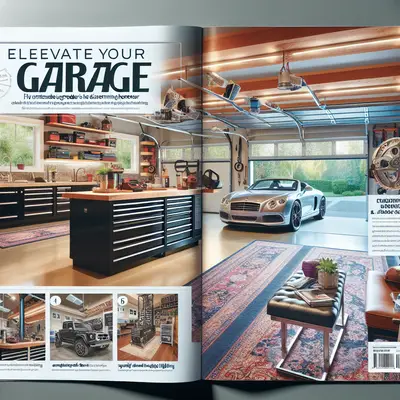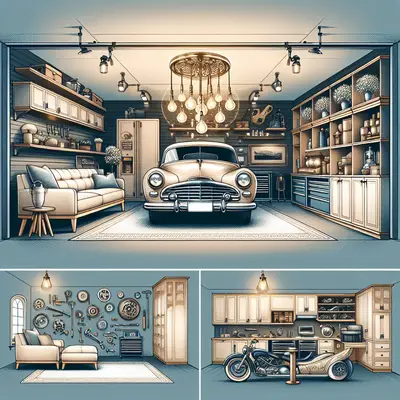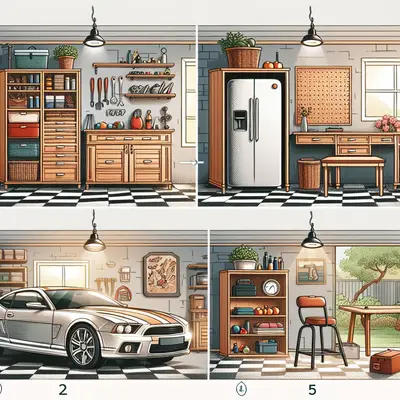
For many properties, the garage is the least considered square footage—and the most undervalued. Yet when approached with intention, this space can become one of the most refined, functional, and quietly impressive zones in the home. Thoughtful upgrades do more than “fix” a problem; they recalibrate daily use, protect valuable assets, and bring a sense of calm order to a part of the house that is often overlooked.
Below are five exclusive, detail‑driven insights for homeowners who expect more from their garage than simple storage and a door that merely works.
Reframing the Garage as a Mechanical Suite, Not a Catch-All
Treating the garage as a mechanical suite—rather than a casual dumping ground—immediately raises the standard of every upgrade decision. Instead of working around clutter and improvisation, you plan the space as you would a well‑designed utility room in a boutique hotel or a thoughtfully engineered plant room in a high-end building.
This perspective influences everything: power distribution for tools and charging, air circulation for temperature-sensitive items, and lighting that reveals detail rather than fighting shadows. It means ensuring that the main door, side entry, and internal access all function as a coordinated system, not three independent afterthoughts. It pushes you to consider wall and ceiling finishes that resist moisture, dust, and impact while remaining visually calm. When a garage is conceived as a mechanical suite, upgrades become surgical and strategic; each choice is evaluated for its effect on security, noise, efficiency, and daily flow rather than simply its price tag or appearance.
Insight 1: Precision Lighting That Serves Zones, Not Just Square Footage
Most garages are lit as if they were a storage closet: a single overhead fixture striving to do everything and excelling at nothing. A premium approach divides the space into functional lighting zones, each calibrated to a distinct purpose.
Overhead linear LEDs can deliver uniform, shadow‑low illumination for parking and circulation, while higher‑CRI task lighting above workbenches reveals color accuracy for paint, finishes, and wiring. Wall‑washing fixtures along storage runs make labels legible at a glance, reducing time spent searching. Consider low‑glare fixtures aimed away from vehicles to avoid reflections on glass and paint; your eyes remain relaxed as you transition from daylight to interior lighting. Motion‑activated perimeter lights can gently rise in brightness in the early morning or late evening, avoiding harsh “on/off” experiences. The result is a quiet sense of control: every activity—from detailing a car to adjusting a bicycle derailleur—has light tuned to support it.
Insight 2: Floor Systems That Support Precision, Not Just Appearances
Flooring is often treated as an aesthetic upgrade, but for serious homeowners it becomes a performance surface. The right system improves safety, reduces maintenance, and, critically, enhances how accurately you can work in the space.
High‑quality epoxy or polyaspartic coatings with a lightly textured, non‑slip finish improve traction when the floor is damp, while also resisting automotive fluids, salts, and hot‑tire pickup. Subtle, integrated floor markings—such as contrasting bands or inlaid strips—help position vehicles precisely, protecting doors from adjacent walls and storage. A muted, mid‑tone surface color reduces visual fatigue by softening contrasts between tools, parts, and the floor itself. If heavy equipment or lifts are part of your vision, specifying compressive strength and substrate preparation becomes essential, elevating the floor from “coating” to “engineered layer.” This kind of thoughtful selection ensures that your upgrades remain stable and elegant years after the initial installation.
Insight 3: Storage as Architecture, Not Furniture
Off‑the‑shelf shelving often creates visual noise: mismatched units, exposed clutter, and dead space near the ceiling. When you instead treat storage as an architectural element, the garage gains a composed, almost built‑in calm.
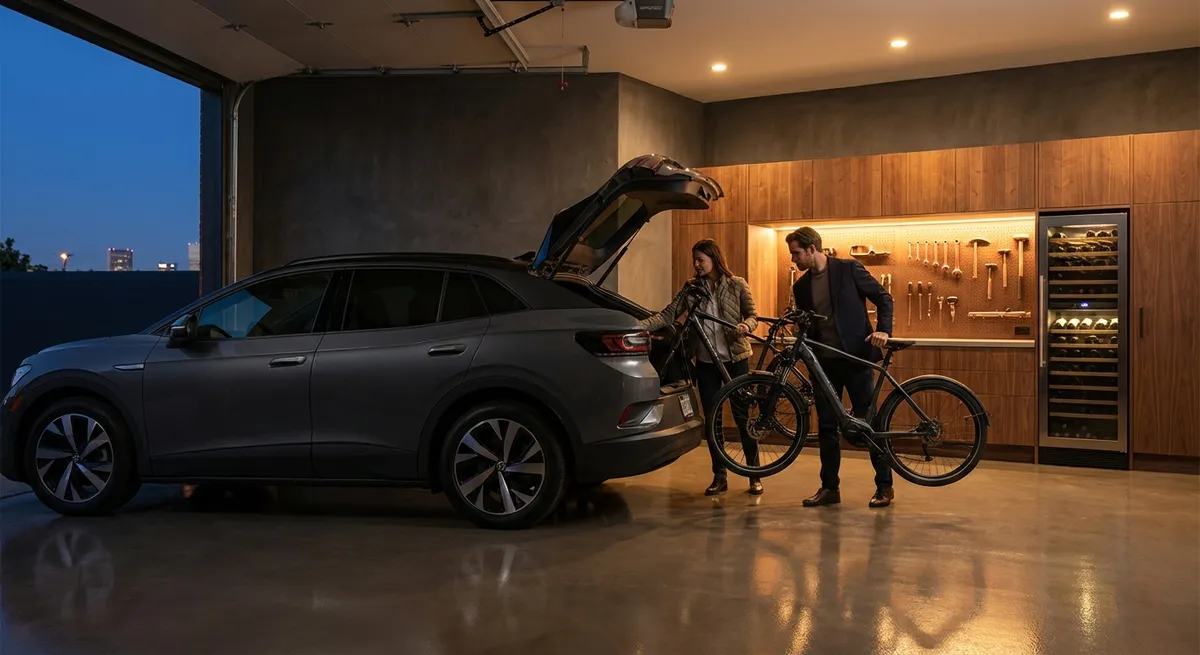
wall‑mounted systems that float above the floor simplify sweeping and mopping, while tall cabinets with full‑height doors hide visual clutter and shield contents from dust. A deliberate mix of closed cabinetry (for chemicals, tools, and seasonal items), open shelving (for frequently used gear), and ceiling‑hung platforms (for long‑term storage) creates a coherent hierarchy. Integrating power inside cabinets—for charging cordless tools or storing powered equipment—keeps surfaces clear and cords contained. Even the choice of door hardware matters: soft‑close hinges and solid pulls convey a sense of quiet durability that aligns with a premium interior, not a makeshift utility zone. This approach turns storage into structured calm instead of tolerated chaos.
Insight 4: Acoustic and Thermal Control That Protects Both Comfort and Equipment
Garages sit at the intersection of outdoor exposure and indoor expectation. Proper acoustic and thermal upgrades create a buffer that protects not only comfort, but also the lifespan of what you store and the quality of work you can perform there.
Insulated doors, properly sealed weatherstripping, and insulated walls and ceilings stabilize interior temperatures, reducing stress on finishes, electronics, and stored materials. Acoustic treatments—such as insulated door panels, sealed gaps, and even selective use of sound‑absorbing wall panels—soften the sharpness of tool noise and mechanical sounds, especially when the garage is attached to living spaces or beneath bedrooms. Upgrading gaskets and thresholds around entry doors also prevents infiltration of fumes and dust into the home. These are not cosmetic changes; they are refinements that align the garage’s performance with the rest of a well‑designed residence, preventing it from feeling like an unfinished annex.
Insight 5: Intelligent Power and Data Infrastructure That Anticipates the Future
A sophisticated garage upgrade looks beyond today’s needs: it is wired—literally—for what comes next. Electric vehicle charging, battery storage, advanced tools, smart home integration, and surveillance all demand thoughtful power and data planning.
Adding a dedicated circuit and properly rated EV charging outlet is quickly moving from luxury to baseline expectation, and it’s far more efficient to incorporate it into a broader electrical refresh. Strategic placement of outlets at waist height above work zones, near storage walls, and adjacent to potential appliance locations (air compressor, freezer, or workshop equipment) prevents the tangle of extension cords that define a makeshift workspace. Low‑voltage wiring for cameras, access control, and smart sensors (temperature, humidity, door status) can be run while walls are open for other upgrades, ensuring you’re not re-opening finishes later. The outcome is subtle: you gain a garage that simply “has what it needs” without visible improvisation, and that can accommodate future technology without disruption.
Aligning Repairs with an Upgrade Mindset
Even when you are driven to the garage by a specific problem—a failing opener, a sagging track, a cracked floor—there is an opportunity to correct not only the issue but also the underlying assumptions that created it. A door repair can prompt an evaluation of balance, insulation, and seal quality. A lighting upgrade can become a full zoning rethink. A storage reconfiguration can resolve long‑standing safety risks and inefficiencies.
The common theme in elevated garages is not extravagance, but intentionality. Each repair becomes the moment to bring one part of the space up to the standard of the rest of your home. Over time, the garage stops feeling like an afterthought and instead functions as a precisely tuned extension of your living environment—quietly efficient, visually composed, and thoroughly prepared for the way you live.
Sources
- U.S. Department of Energy – Insulation and Air Sealing in Garages - Guidance on insulating attached garages for comfort and efficiency
- International Association of Certified Home Inspectors – Garage Inspection Guidelines - Technical considerations for safe, well‑performing garage spaces
- U.S. Department of Energy – LED Lighting Facts and Guidance - In‑depth information on LED performance, efficiency, and selection
- National Fire Protection Association – Garage Fire Safety Overview - Safety principles relevant to storage, power, and materials in garages
- California Energy Commission – Electric Vehicle Charging Infrastructure - Considerations for planning EV‑ready power in residential garages
Key Takeaway
The most important thing to remember from this article is that this information can change how you think about Upgrades.