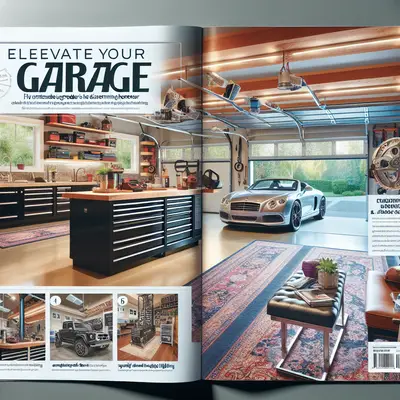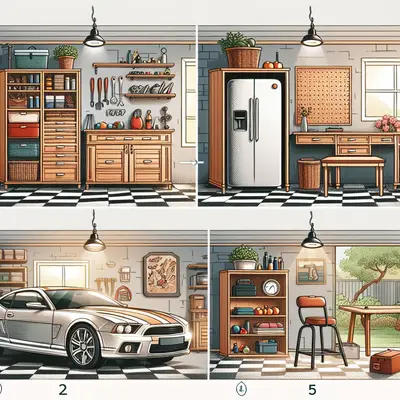
In discerning homes, the garage is no longer a forgotten utility zone—it is a working extension of the architecture, where performance, silence, and reliability are expected as standard. Thoughtful upgrades here don’t need to shout; they simply need to work flawlessly, every time, in any weather. This guide explores refined, technically sound improvements that quietly elevate the entire experience of entering and exiting your home, with five exclusive insights that address issues many homeowners silently tolerate for years.
Reframing the Garage as a Precision Environment
Most garages evolve by accident: a patchwork of past repairs, inherited hardware, and improvised storage. The result is a space that functions—just—but never quite feels trustworthy. A premium upgrade strategy begins with treating the garage as a precision environment, where every component has a defined role and calibrated performance.
Start with the fundamentals: structure, moisture, temperature, and movement. Ask not “What can I add?” but “What undermines reliability today?” A slightly out-of-square opening, a damp corner of the slab, or an inconsistent power supply can all translate into noisy doors, premature hardware failure, and unpredictable operation. Elevating the garage means auditing these quiet flaws, then resolving them with the same rigor applied to a kitchen renovation or mechanical room upgrade.
When done properly, the space feels different before it looks different: the door moves with composure, the air is stable rather than drafty, and the floor responds underfoot with confidence rather than hollow vibration. From that foundation, every other upgrade becomes more effective—and more enduring.
Exclusive Insight 1: Tuning Door Balance Before Touching the Opener
Many homeowners assume a struggling garage door is an opener problem. In reality, most chronic issues begin with door balance—the relationship between the door’s weight and the counterbalance system (usually torsion or extension springs).
A well-balanced door can be lifted manually with one hand and will stay in place at mid-height without drifting. If it slams shut, creeps upward, or feels unusually heavy, the springs are not correctly calibrated. This misbalance forces the opener to drag or heave the door rather than simply guiding it, leading to burned-out motors, stripped gears, and persistent noise.
A premium upgrade strategy puts balance first:
- Have a qualified technician perform a full spring assessment and weight calculation.
- Ensure lift cables, drums, and bearings are in good condition and appropriately rated.
- Confirm that the door sections themselves are not waterlogged, warped, or delaminated, as this subtly alters weight over time.
Once the door is properly balanced, even a mid-range opener will perform like a higher-end unit—quieter, smoother, and under far less strain. This is the single most overlooked prerequisite to any “silent garage” upgrade.
Exclusive Insight 2: Replacing Vibration Paths, Not Just Adding Lubricant
Noise in a garage is rarely just “a loud opener.” It is usually the result of vibration traveling through a series of rigid, poorly isolated components: metal hangers bolted directly to rafters, angle iron bridging to structural beams, uninsulated mounting brackets, and hardened rollers.
Most quick fixes rely on lubricants, which can temporarily soften friction but do nothing to address the mechanical path that carries sound into the home. A more considered upgrade focuses on vibration management:
- Opener isolation: Replace standard steel angle iron with vibration-dampening brackets or rubber-isolated mounts, especially where the opener attaches to finished living spaces above.
- Roller upgrade: Swap basic steel rollers for high-quality nylon rollers with ball bearings; this simple change can transform the sound profile of the door’s operation.
- Track alignment: Precisely aligning tracks reduces binding and scraping, which are major contributors to noise and premature wear.
- Hardware refresh: Replace worn hinges and fasteners with premium, corrosion-resistant hardware; loose rivets and elongated screw holes amplify rattles and hums.
The result is not simply “quieter”—it is controlled. The door opens with a low, measured mechanical tone instead of a generalized clatter that resonates through the structure.
Exclusive Insight 3: Treating the Garage Door as an Exterior Wall
When insulation upgrades are discussed, the garage is often the last frontier, despite frequently sharing walls (and sometimes ceilings) with conditioned living areas. A poorly insulated or leaky garage door essentially behaves as a moving gap in the building envelope, undermining comfort and energy efficiency.
A refined upgrade approach treats the garage door as an exterior wall system, not an afterthought:
- Door construction: Consider insulated steel or composite doors with a higher R-value, especially in climates with pronounced temperature swings. These doors improve thermal stability and notably reduce street noise.
- Perimeter sealing: Upgrade weatherstripping on the sides and top with high-quality, flexible seals suited to your climate. Check the threshold seal at the bottom for cracks, flattening, or gaps.
- Air infiltration control: Examine the interface between door tracks, framing, and the surrounding structure. Small, unsealed joints can allow significant drafts and dust ingress.
- Ceiling and shared-wall insulation: Where bedrooms or living spaces sit above or adjacent to the garage, bringing insulation and air sealing up to modern standards can dramatically improve both comfort and acoustic isolation.
By elevating the thermal and acoustic performance of the door and its surroundings, you turn the garage from a temperature and noise liability into a stable buffer zone. The door’s operation feels more composed, and the adjacent rooms feel less compromised.
Exclusive Insight 4: Designing Lighting for Tasks, Not Just Illumination
Standard garage lighting tends to be an afterthought: a single ceiling fixture, perhaps replaced at some point with a brighter LED panel or a plug-in “work light.” The result is usually glare in the center and shadows exactly where they’re least wanted—around tool storage, vehicles, and work surfaces.
Premium upgrades treat lighting as a layered system, much like a well-designed kitchen:
- Ambient lighting: Even, diffused ceiling lighting that eliminates dark corners without harsh hot spots. Linear LED fixtures or high-quality LED bulbs in multiple fixtures achieve this without excessive wattage.
- Task lighting: Dedicated lighting over workbenches, tool walls, and frequently accessed storage zones. Under-cabinet LEDs or articulated arm fixtures create visibility where precision is needed.
- Vertical illumination: Wall-mounted fixtures, particularly along entry paths from house to car, provide better depth perception and safety than overhead lighting alone.
- Color temperature consistency: Selecting LEDs with a consistent color temperature (often in the 3500K–4000K range) prevents the unpleasant mix of cool blue and warm yellow light that makes spaces feel visually chaotic.
Excellent lighting does not just make the garage look better; it materially improves safety, reduces eye strain, and makes minor repairs or inspections far more accurate. The garage becomes a place where detail work is possible, not merely storage.
Exclusive Insight 5: Upgrading Controls as a Security and Experience System
Many homeowners live with outdated garage controls: older remotes with intermittent performance, unprotected keypads, or wall buttons that provide no status feedback. This is more than an inconvenience—it’s a genuine security and reliability vulnerability.
A sophisticated control upgrade turns the garage into a well-managed access system:
- Modern smart openers: Many contemporary openers integrate Wi‑Fi, allowing you to check door status, receive alerts if it is left open, and grant temporary access remotely. Used thoughtfully, this solves the classic “Did I close the garage?” anxiety.
- Secure keypads: Replace aging keypads with models offering rolling codes, backlighting, and weather-resistant casings. Position them discretely but conveniently, balancing aesthetics and security.
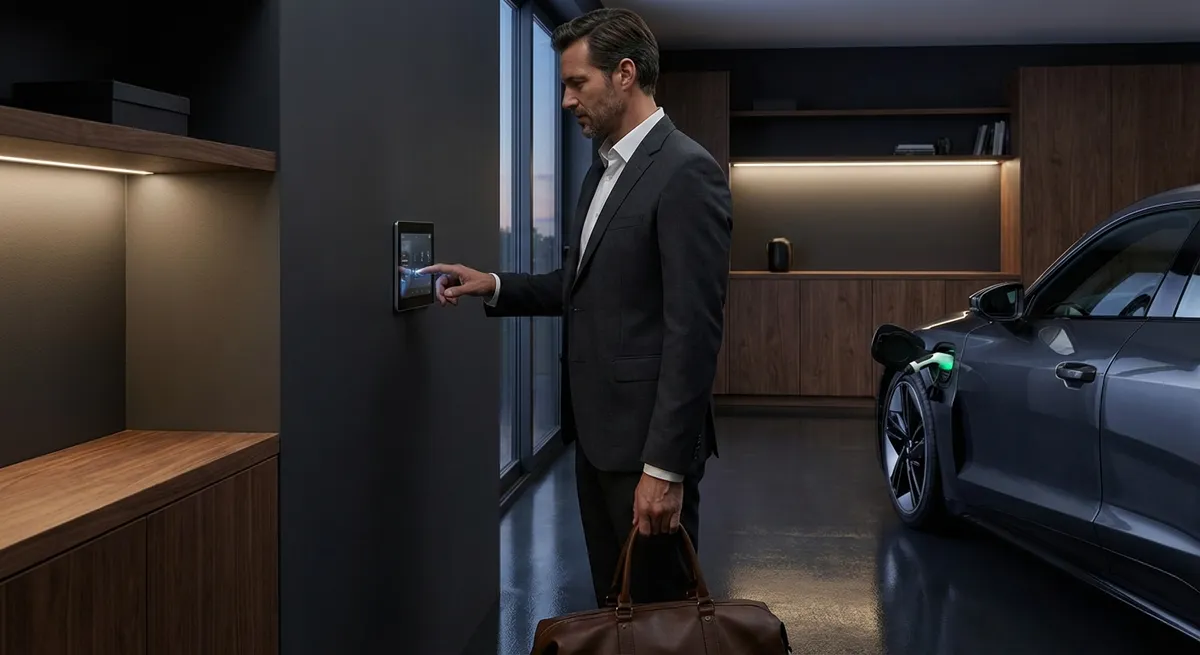
- Interior control panels: Consider upgraded wall consoles that show door status, lockout mode, and even temperature. Some allow you to disable remote access when you’re away for extended periods.
- Integration with broader security: Where appropriate, integrate the door’s position into your home security system or cameras. A single point of status—knowing the largest movable opening in your home is definitively closed and secured—is immensely valuable.
The elevated experience is subtle but powerful: less uncertainty, fewer manual checks, and a garage door that behaves like an intelligent, controlled portal instead of a heavy mechanical guesswork machine.
Conclusion
Upgrading a garage at a premium level is not about conspicuous gadgets or cosmetic flourishes. It is about eliminating friction: the heavy door that strains the opener, the noise that wakes the house, the drafts that chill adjacent rooms, the lighting that makes every small task a chore, and the lingering doubt about whether the door is actually shut.
By calibrating balance before power, breaking vibration paths, treating the door as an exterior wall, designing lighting for real tasks, and elevating controls into a true access system, you transform the garage from a tolerated utility to a precise, dependable space. These upgrades do not demand attention; they earn trust. And in refined homes, that quiet reliability is the ultimate luxury.
Sources
- U.S. Department of Energy – Insulation and Air Sealing – Guidance on building envelope upgrades, including garage-adjacent spaces and thermal performance considerations
- International Association of Certified Home Inspectors – Garage Inspection Guide – Technical insights into garage safety, structure, and door systems from a professional inspection standpoint
- Occupational Safety and Health Administration (OSHA) – Machine Guarding & Moving Parts – Background on mechanical safety principles relevant to moving door systems and opener hardware
- LiftMaster Official Site – Smart Garage Door Openers – Examples of modern, connected opener technology and secure access features
- University of Colorado Boulder – Lighting Design for Workspaces – Best practices for task and ambient lighting that translate effectively to garage and workshop environments
Key Takeaway
The most important thing to remember from this article is that this information can change how you think about Upgrades.