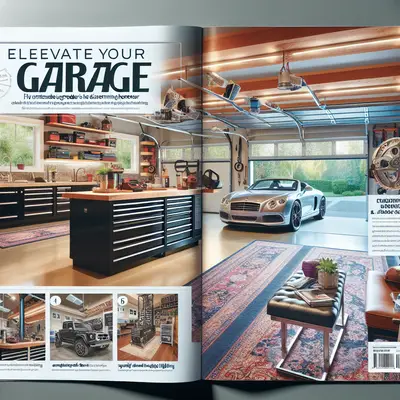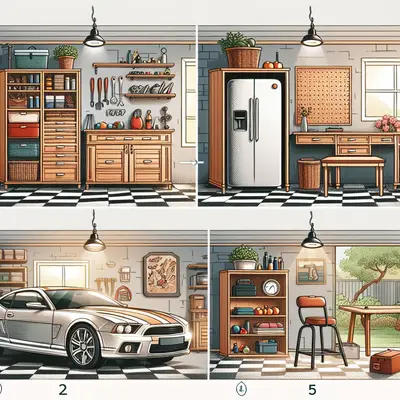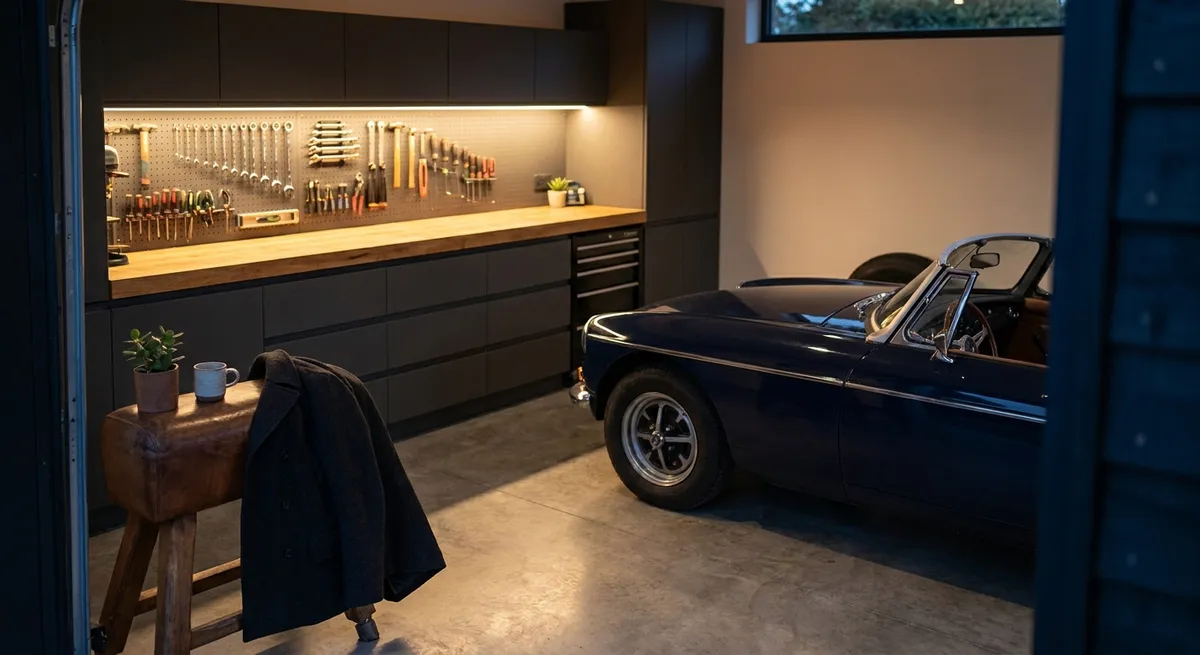
The most refined homes share a quiet common thread: every functional space, no matter how utilitarian, has been thoughtfully elevated. The garage is no exception. When upgrades are approached with the same discernment you’d apply to a kitchen or primary suite, the result is a space that feels composed, intuitive, and mechanically flawless—without ever calling attention to itself. This is not about excess; it’s about precision, durability, and an underlying sense of calm every time the door rises.
Below are five exclusive, detail-driven insights that homeowners with discerning standards—and persistent garage frustrations—will genuinely appreciate.
Insight 1: Upgrade the Door as an Architectural Element, Not Just a Moving Panel
For many properties, the garage door commands more visual real estate than the front entry. Treating it as an architectural element rather than an afterthought entirely reshapes curb presence and daily experience.
Refined upgrades begin with construction: insulated, steel-backed or high-density composite doors not only offer thermal benefits, they feel solid and close with a satisfying, controlled weight. High-cycle torsion springs and reinforced hardware reduce flex, eliminate rattling, and substantially extend service intervals. Panel design and finish should be chosen as you would millwork—considering shadow lines, proportions, and how the color behaves in morning and afternoon light. For coastal or high-UV environments, factory-applied finishes and corrosion-resistant hardware are non‑negotiable. Integrating discreet windows with low‑E, tempered glass preserves security while bathing the garage in controlled natural light. The result is a facade that performs mechanically at a premium level and reads visually as part of the home’s architecture, rather than a bolt-on utility.
Insight 2: Treat Lighting as a Performance System, Not a Single Fixture
Most garages suffer from the same problem: a single bare bulb attempting to light a multi-use space. A sophisticated upgrade reframes lighting as a layered system designed around tasks, safety, and atmosphere.
Begin with high-CRI (Color Rendering Index) LED fixtures—90+ CRI ensures colors of vehicles, tools, and finishes appear accurate, which matters for detailing, painting, or inspections. Instead of one central fixture, opt for an even grid of low‑glare LEDs, supplemented by under‑cabinet lighting above work surfaces and targeted fixtures over entryways and storage areas. Motion-activated pathways—from the home entry door to the car and from the car to storage—create a subtle, hotel-like experience of always‑available light without fumbling for switches. For tech-savvy homes, integrating lighting into a smart system allows scenes: a bright “workshop” mode, a softer “evening arrival” setting, and a low-output overnight security glow. Proper lighting reduces accidents, elevates perceived cleanliness, and makes the garage feel like a considered extension of the interior rather than a dim afterthought.
Insight 3: Engineer Storage So the Floor Is Always Visually Clean
The most immediate way to elevate a garage is simple to state but difficult to achieve: nothing lives on the floor that doesn’t absolutely have to. True refinement in a garage is the ability to see clean, uninterrupted floor space.
Ceiling-mounted racks designed to anchor into joists or structural members transform dead overhead volume into premium storage for seasonal items, luggage, and seldom-used gear. Wall-mounted track or rail systems, when installed from a single design vision rather than piece-by-piece over years, create a disciplined visual language: everything has a designated, repeatable location. Deep storage cabinets with soft-close hinges, integrated power outlets, and adjustable shelving turn clutter into a concealed, furniture-like presence. For households with high-value tools or equipment, lockable zones with tamper-resistant hinges and reinforced panels provide security without looking industrial. The thoughtful detail: ensure that even when fully built out, doors and vehicles can operate without obstruction—measured clearances and door-swing arcs are part of the design, not an afterthought.
Insight 4: Elevate the Floor from “Bare Concrete” to a Resilient, Quiet Foundation
A premium garage experience begins the moment your tires cross the threshold, and few upgrades are as transformative as an expertly treated floor. Beyond aesthetics, flooring influences acoustics, cleanliness, and long-term durability.
High-solids, professionally installed epoxy or polyaspartic coatings create a dense, chemically resistant surface that shrugs off road salt, oils, and moisture. A subtle, finely graded flake or quartz broadcast introduces texture for slip resistance without the busy look of lower-end finishes. A light-reflective, satin sheen brightens the entire space and visually communicates cleanliness. Expansion joints should be cleaned, repaired, and properly honored in the coating system to prevent premature cracking and peeling. If comfort is paramount—particularly in garages that double as gym or studio—consider strategic use of modular rubber tiles or cushioned zones over the structural floor, carefully trimmed to avoid interference with the door seal. The difference is tactile and audible: tires roll more quietly, dropped tools are less jarring, and sweeping takes minutes instead of feeling like a weekend project.
Insight 5: Integrate Subtle Technology That Solves Problems You Actually Have
Sophisticated garage upgrades are not about gadget overload—they’re about deploying technology in a restrained, purposeful way that eliminates friction in daily life.
Quiet, belt‑drive or direct‑drive openers with soft start/stop profiles reduce vibration and resonance throughout the home. Battery backup and manual-release mechanisms with clearly marked access ensure the door remains operable during power failures—a small detail, until you need it. Smart controls should be chosen for reliability and security, not just novelty: UL‑listed devices with encrypted communication, activity logs, and temporary access codes for guests or service providers. Thoughtfully placed outlets—ceiling outlets for openers and EV chargers, wall outlets at bench height, and weather-resistant receptacles near garage doors—minimize visible cords and adapt to evolving needs. Finally, consider air quality: a quiet, timer-based exhaust fan or a smart-enabled unit linked to a VOC or CO sensor can automatically clear fumes after parking, painting, or running equipment, making the space healthier without requiring constant attention.
Conclusion
A garage upgraded with intention doesn’t demand attention; it simply works, day after day, with a quiet assurance that everything has been considered. The door moves with composure, the lighting anticipates you, the floor and storage remain composed rather than chaotic, and the technology disappears into the background while quietly solving real problems. For homeowners who expect their living spaces to be both beautiful and impeccably functional, the garage is no longer where standards relax—it’s where they are most clearly expressed.
Sources
- U.S. Department of Energy – Insulated Garage Doors – Explains energy and comfort benefits of insulated and well-sealed garage doors
- International Association of Certified Home Inspectors – Garage Inspections – Provides guidance on safety, mechanical components, and best practices for garages
- Occupational Safety and Health Administration (OSHA) – Lighting Standards – Outlines recommended lighting levels and considerations for work areas
- U.S. Environmental Protection Agency – Indoor Air Quality in Garages – Discusses fumes, ventilation, and strategies to protect indoor air from garage contaminants
- Oregon State University – Concrete Floor Coatings Guide – Reviews epoxy and alternative coatings, durability, and selection criteria
Key Takeaway
The most important thing to remember from this article is that this information can change how you think about Upgrades.