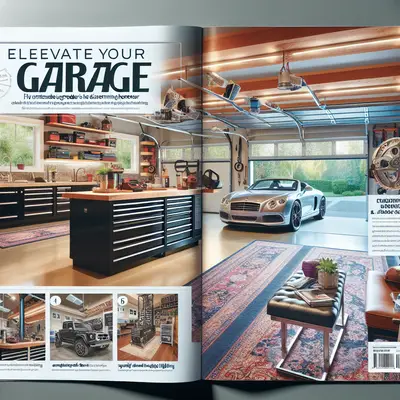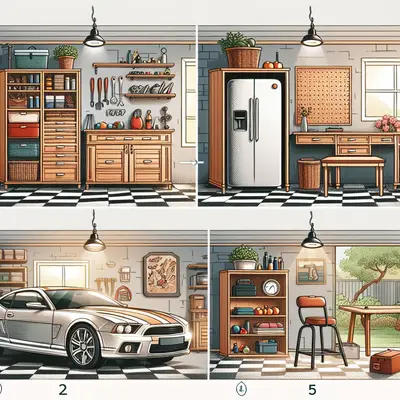
For many homes, the garage is the least considered square footage—and the most used. It shelters your car, protects tools, stages weekend projects, and receives every delivery that never makes it to the front door. When it underperforms, the entire rhythm of the household feels slightly off. When it’s refined, the rest of the home seems to function more effortlessly.
This is not about turning your garage into a showroom. It’s about elevating a working space so it feels intelligent, deliberate, and quietly capable. The following insights focus on upgrades that solve real frustrations while preserving a spare, understated elegance.
Reframing the Garage as a Controlled Environment, Not a Storage Zone
Most garages are treated as oversized closets; serious upgrades begin by treating them as controlled environments. Temperature swings, humidity, dust, and fumes all influence how comfortably and reliably the space performs.
A refined approach starts with the building envelope: weatherstripping around the door, a properly sealed threshold, and insulation in the walls and ceiling. These are not decorative extras—they are the foundation that protects mechanical components, preserves stored belongings, and makes every other investment more worthwhile.
Upgrading to an insulated garage door with a higher R‑value subtly reduces noise, moderates indoor temperatures, and can even improve the home’s overall energy profile. According to energy and housing studies, insulated doors make a measurable difference in attached garages, where thermal leakage can compromise adjacent living spaces.
The outcome is quiet but unmistakable: fewer drafts, less condensation on tools and equipment, and a space that feels less like an outbuilding and more like a considered extension of the home.
Intelligent Power and Lighting: Infrastructure Before Aesthetics
The most elegant garages feel composed not because of what you see, but because of what never becomes a problem. Electrical infrastructure is often the difference between a space that looks upgraded and one that actually works upgraded.
Strategically placed dedicated circuits for high‑draw equipment (air compressors, EV chargers, or future power tools) prevent nuisance breaker trips and protect sensitive electronics. Even if you’re not charging an electric vehicle today, pre‑running conduit and capacity for a 240‑volt circuit is a subtle but future‑proofing move that can significantly enhance resale appeal.
Lighting deserves a similarly disciplined approach. Rather than a single central fixture, a layered plan—overhead LED strips for general illumination, task lighting over work zones, and accent lighting near storage and entry points—eliminates shadows and eye strain. Modern LED fixtures with high color rendering index (CRI) values let you see true colors when matching paint, evaluating finishes, or reading small labels on hardware.
The result is not theatrical. It’s simply a garage where every corner is visible and every task feels easier, from detailing a vehicle to finding the right driver bit on a winter evening.
Storage That Respects Both the Car and the House
Premium garages treat the automobile as a guest, not an afterthought squeezed between boxes. Intelligent storage begins with one central question: how much clear, predictable space does the car need to enter, exit, and open doors without hesitation? Everything else is designed around that.
Wall-mounted tracks, modular cabinetry, and overhead racks should be selected with load ratings and mounting integrity as seriously as interior millwork. Fastening into studs or masonry, using rated hardware, and respecting span limits ensure that heavy seasonal bins or tools never become hazards. In many homes, an overhead storage platform that is poorly anchored is the most dangerous element in the entire garage.
Refinement shows up in the details: full-extension drawer slides that don’t bind under weight; cabinets deep enough to store power tools without cords snagging; and labeled compartments so frequently used items are always where you expect them to be.
To preserve the sense of calm, visually noisy items—garden chemicals, automotive fluids, bulk paper goods—belong behind opaque doors. Open shelving can then be reserved for objects that tolerate being seen: neatly stacked bins, thoughtfully displayed tools, or a small set of frequently used supplies. The car is no longer dodging clutter; it occupies a clear, deliberate bay.
Surfaces That Age Gracefully Instead of Merely Looking New
Many garage upgrades fail not in the first year, but in the third, when tire scuffs, chemical spills, and dropped tools begin to tell a story of shortcuts. A refined space anticipates abuse and chooses materials that develop a patina of use, not a record of failure.
Flooring is the most consequential decision. High-quality epoxy or polyaspartic coatings, properly prepared over a mechanically ground slab, resist hot tire pickup, household chemicals, and UV exposure far better than inexpensive paint kits. Professional prep—moisture testing, crack repair, and vapor barrier evaluation—matters as much as the product itself.
For those who prefer a more understated, almost architectural feel, polished concrete with a penetrating sealer offers a matte, durable surface that shrugs off dust and cleans easily with minimal effort. Anti-slip additives at key zones, such as the area near the entry door or where wet vehicles drip, quietly enhance safety without advertising themselves.
On the walls, semi-gloss or enamel finishes stand up to scuffs, errant tool handles, and the occasional contact from bikes or bins. Thoughtfully placed wall guards or bump strips at door level protect both vehicles and finishes. The goal is not to keep the garage pristine, but to ensure that use does not quickly translate into visible damage.
Mechanisms You Don’t Notice—Until They Fail
The most sophisticated upgrade strategy is often the least visible: rethinking the mechanical systems and moving parts that make the garage habitable and secure.
A premium garage door opener, belt-driven and properly sized to the door’s weight, reduces vibration and noise that can travel straight into adjacent bedrooms or living spaces. Pairing it with soft-start/soft-stop technology reduces stress on hinges and springs, quietly extending the lifespan of the entire door system.
Adding a modest, correctly vented exhaust fan or a through-wall ventilator can dramatically improve air quality when running vehicles briefly, using solvents, or charging batteries that off-gas. In climates with high humidity, a small, dedicated dehumidifier helps preserve tools, prevent rust, and protect any stored documents or textiles.
Security, too, can be elevated without feeling conspicuous. Rolling-code openers, integrated smart-home access, and discreet cameras focused on the garage entry create a sense of controlled access rather than visible surveillance. The house experiences fewer false alarms, fewer mysteries about whether the door was left open, and a greater sense of quiet assurance.
Homeowners often notice these upgrades only in their absence: the garage that no longer wakes a sleeping child, the tools that don’t rust prematurely, the door that simply works year after year without protest.
Conclusion
A truly elevated garage is less about spectacle and more about restraint: precise infrastructure, durable surfaces, disciplined storage, and mechanisms tuned for long-term reliability. Each upgrade solves a real annoyance—the draft under the door, the tripped breaker, the dim corner, the unreliable opener—while contributing to a coherent whole that feels composed rather than improvised.
When approached this way, the garage stops acting like an exposed edge of the property and starts behaving like a carefully engineered room that just happens to house a vehicle. It doesn’t call attention to itself. It simply allows the rest of the home—and the life lived in it—to function with quieter confidence.
Sources
- U.S. Department of Energy – Insulation and Air Sealing in Garages - Guidance on insulating attached garages and managing energy transfer to the home
- International Association of Certified Home Inspectors – Garage Inspections - Technical considerations and common safety issues in residential garages
- University of Minnesota Extension – Concrete in Cold Climates - Best practices for concrete performance, relevant to garage slabs and surface treatments
- U.S. Consumer Product Safety Commission – Garage Door Safety - Safety recommendations for garage door openers and mechanical systems
- U.S. Environmental Protection Agency – Indoor Air Quality in Homes - Information on ventilation, pollutants, and strategies that apply to garages connected to living spaces
Key Takeaway
The most important thing to remember from this article is that this information can change how you think about Upgrades.