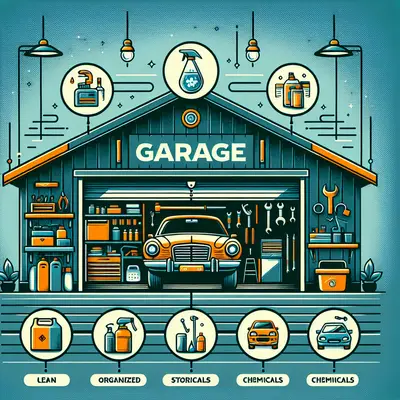
A well‑kept garage is not simply a place to park a car; it is a quiet engine room for the entire home. When its mechanisms falter, the disruption is immediate—compromised security, stalled departures, and a subtle erosion of daily comfort. Yet most issues that plague garages are neither sudden nor mysterious; they are the predictable result of overlooked maintenance and rushed, improvised fixes. Approached with care and method, your garage can shift from a source of recurring inconvenience to a study in dependable, near‑silent performance.
What follows is a maintenance framework designed for homeowners who expect more than “good enough.” It blends premium‑level attention to detail with practical routines and five exclusive insights that reveal where genuine reliability is truly decided—often in places most people never bother to look.
The Hidden Economy of Precise Garage Maintenance
Garage maintenance is, at its core, an exercise in risk management and long‑term cost control. A door that is even slightly out of balance or a motor that labors under unnecessary friction may still function, but it is operating on borrowed time. The early cost is inefficiency; the eventual cost is failure at the least convenient moment.
Strategic maintenance begins with understanding that your garage is a system, not a collection of parts. Door panels, springs, rollers, tracks, opener, sensors, weather seals, lighting, and even floor coatings interact more than most people realize. A misaligned track can burden the motor; worn rollers can accelerate spring fatigue; poor lighting can lead to misjudged parking that damages walls, shelving, or vehicles.
Rather than reacting to breakdowns, a premium maintenance approach seeks to remove avoidable strain from every component. This mindset transforms “chores” into a curated sequence of small, precise interventions that collectively extend service life, preserve safety, and maintain the garage’s quiet authority in daily use.
Insight 1: The Balance Test That Predicts Door Trouble Months in Advance
One of the most revealing diagnostics for garage health is also one of the least performed: the manual balance test. A door that passes this test will track smoothly, remain in place at multiple positions, and place minimal strain on the opener. A door that fails may still open and close, but every cycle becomes a stress test on springs, bearings, and electronics.
To perform the test, first close the door and disconnect the opener using the manual release (typically a red cord). With the opener detached, lift the door to about waist height and gently let go. A properly balanced door should hover in place or drift only slightly. Repeat at knee height and near full height. If it slams down, drifts sharply, or feels unusually heavy, the counterbalance system—most often the torsion or extension springs—is no longer set correctly.
This imbalance is not something to “tough out”; it overworks the opener, turning a relatively modest repair into a future motor replacement. Because garage door springs are under high tension, adjustment is not a candidate for do‑it‑yourself experimentation. A discerning homeowner treats a failed balance test as a prompt for professional intervention—ideally before the opener’s gears or belt begin to complain.
Insight 2: Lubrication as a Precision Craft, Not a Messy Afterthought
Most garages suffer from one of two lubrication sins: neglect, or excess. Neglect yields squeaks, jerks, and premature wear. Excess, especially the wrong type of lubricant, invites dust, grime, and a thick, sticky residue that eventually becomes its own mechanical obstacle.
A refined lubrication routine favors modest, precisely applied coatings. For metal rollers, hinges, and springs, a high‑quality silicone‑ or lithium‑based spray is preferable to generic household oil. The goal is a thin, even film—not dripping, not pooling. Each hinge pin, roller bearing, and spring coil receives attention, followed by gentle cycling of the door to distribute the lubricant.
Crucially, not everything should be lubricated. Tracks, for example, should generally remain clean and dry; lubrication there can attract debris and cause rollers to slip or track unevenly. Nylon rollers typically require little or no lubrication beyond the metal bearing. By distinguishing between components that need lubricant and those that merely need cleanliness, you avoid the muddy, over‑treated look and feel that reveals hurried maintenance.
Insight 3: The Door Seal System as Climate and Cleanliness Gatekeeper
For many homes, the garage acts as a buffer zone between the outdoors and the conditioned interior. When the seal system is compromised, that buffer fails: dust, blown rain, insects, rodents, and temperature extremes are granted quiet access. Yet weatherstripping, bottom seals, and side jamb seals are often allowed to deteriorate long past their usefulness.
Begin with the bottom seal—the flexible strip at the lower edge of the door. If it has hardened, cracked, flattened, or torn away in sections, it is no longer forming an effective barrier. A flattened seal commonly develops after years of compression against a slightly uneven floor. Upgrading to a new, high‑quality rubber or vinyl seal, and in some cases a threshold system bonded to the floor, can dramatically reduce drafts and water intrusion.
Next, inspect side and top seals (the trim that contacts the door edges). Look for gaps where light shows through when the door is closed. Even modest upgrades here can stabilize the micro‑climate of the garage, which, in turn, protects stored items, reduces corrosion on tools, and eases the load on any adjacent living spaces. For a homeowner attentive to detail, refining the door’s seal system is a subtle yet high‑yield improvement in both comfort and cleanliness.
Insight 4: Garage Lighting as a Safety Instrument, Not Just Illumination
Many garages rely on a single bare bulb or the default light integrated into the opener—adequate for finding the recycling bin, but insufficient for safe, precise movement in a space often lined with hard edges and fragile valuables. Elevated maintenance thinking treats lighting not as decor, but as a safety instrument and an ally in preventing accidental damage.
Modern LED fixtures, positioned thoughtfully, can transform both the utility and safety of the garage. Bright, high‑CRI (color rendering index) lighting above work surfaces prevents errors in repairs or touch‑up tasks. Wall‑mounted or low‑glare ceiling fixtures along the vehicle path aid precise parking, reducing the small collisions that lead to scuffed bumpers, gouged drywall, or misaligned storage systems.
Lighting also enhances visual inspection. A well‑lit garage makes it easier to spot early signs of trouble: frayed opener belts, fine cracks in concrete, rust on bottom panels, or pests gaining a foothold near door seals. The result is a feedback loop: better lighting reveals emerging issues earlier, and earlier intervention leads to fewer disruptive failures.
Insight 5: Floor Care as Structural Maintenance, Not Mere Cosmetics
Garage floors often absorb the worst of household activity—road salt, oil drips, battery leaks, moisture, and abrasive grit carried in by tires. When ignored, these insults quietly undermine both the appearance and structural health of the slab. A discerning maintenance strategy treats floor care as more than an aesthetic upgrade; it is a long‑term protection plan.
Routine cleaning with a proper degreaser and stiff brush prevents oil and chemicals from penetrating deeper into the concrete. Special attention should be given in winter climates, where de‑icing salts tracked in on tires can accelerate spalling and surface deterioration. Periodic rinsing and focused cleaning in the “tire lanes” can significantly slow this process.
For homeowners seeking a more elevated solution, high‑quality epoxy or polyaspartic coatings, properly installed over a well‑prepared surface, do more than look refined. They resist chemicals, simplify cleaning, reflect more light (enhancing overall brightness), and protect the slab from moisture intrusion. Even in unfinished garages, a clear penetrating sealer can provide meaningful defense against staining and surface breakdown. The objective is not showroom gloss for its own sake, but durable, predictable performance under daily use.
Establishing a Maintenance Rhythm That Feels Effortless
The most refined maintenance plan is one you will actually follow. Rather than vague intentions, align specific tasks to the natural rhythm of the year, building a predictable, almost ritualized sequence.
A practical model is to anchor major checks to seasonal transitions. In early spring, focus on recovery: clean tracks, test balance, inspect seals after winter, clear salt residue from the floor. In late autumn, prepare: lubricate moving parts before cold weather, confirm safety sensor alignment, verify emergency release operation, and ensure that lighting is fully functional for shorter days. Light monthly visual inspections—listening for new sounds, watching for jerky door motion, noting any increase in motor strain—round out the routine.
By distributing these tasks across the year, maintenance ceases to feel like crisis control and becomes an orderly, almost understated habit. The reward is a garage that simply works—quietly, reliably, and without consuming more attention than it earns.
Conclusion
A garage that operates with composed certainty is rarely an accident; it is the product of thoughtful, consistent care applied in the right places. Subtle tests like door balance, precise lubrication, intelligent sealing, deliberate lighting, and disciplined floor care form the backbone of a truly elevated maintenance strategy.
For the homeowner who values both refinement and reliability, these five insights are less about perfectionism and more about stewardship. Each small adjustment reduces strain, extends life, and safeguards the seamless routines that define a well‑run home. When executed with intention, garage maintenance becomes something far more satisfying than patchwork repair—it becomes a quiet expression of how seriously you take the integrity of the spaces that support your daily life.
Sources
- U.S. Consumer Product Safety Commission – Garage Door Safety - Official guidance on garage door safety, balance, and injury prevention
- International Association of Certified Home Inspectors – Garage Door Inspections - Detailed best practices for assessing garage doors, springs, and safety features
- Clopay Garage Doors – Maintenance and Troubleshooting Guide - Manufacturer recommendations for lubrication, balance checks, and routine care
- U.S. Department of Energy – Attached Garages and Home Energy - Explains how garage sealing and air control affect comfort and indoor air quality
- Concrete Network – Concrete Garage Floor Care - Covers cleaning, sealing, and protecting garage concrete slabs from damage and staining
Key Takeaway
The most important thing to remember from this article is that this information can change how you think about Maintenance.