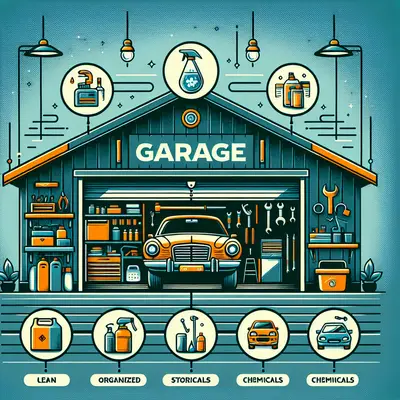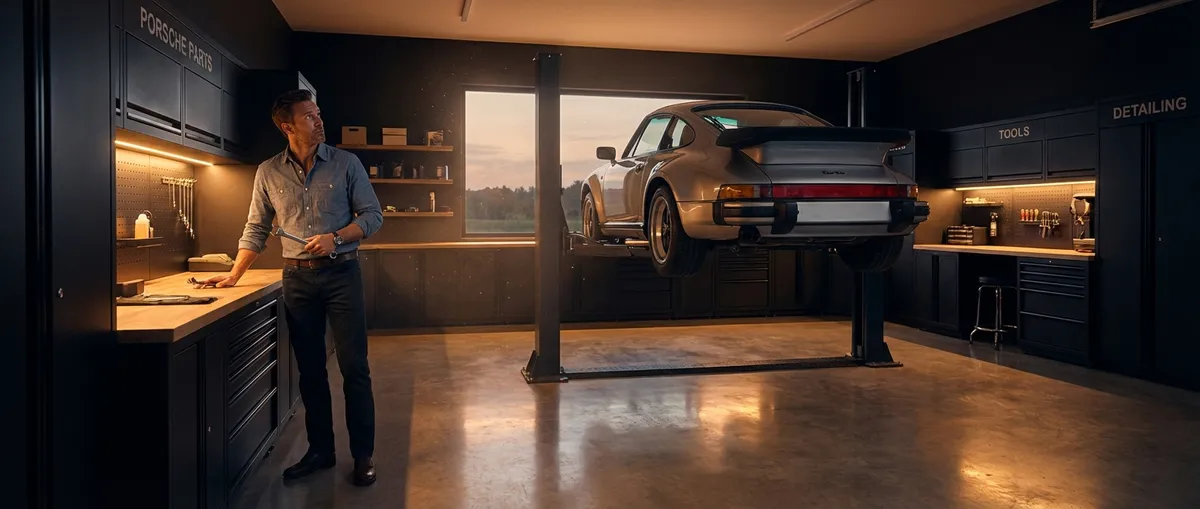
A garage may be the most underestimated room in a sophisticated home. It shelters investments on four wheels, stores heirlooms and gear, and often serves as the quiet threshold between public street and private sanctuary. Yet while kitchens and living rooms receive careful curation, the garage is too often left to chance—until something leaks, grinds, warps, or fails at the least convenient moment. Thoughtful maintenance transforms this space from a utilitarian afterthought into a dependable, well‑tempered extension of the home. What follows is a refined, detail‑driven approach to garage care, including five exclusive insights that reward homeowners who expect more than “good enough” from their property.
Designing a Maintenance Mindset, Not Just a Checklist
True garage longevity begins with a philosophy rather than a product. Instead of reacting to failures, cultivate a maintenance mindset that anticipates how materials age, how mechanical systems behave, and where moisture, dust, and vibration accumulate over time.
View the garage as a small ecosystem: concrete that breathes and wicks moisture, metal that corrodes, rubber that hardens, and electronics that dislike temperature swings. This perspective reframes maintenance from a chore into stewardship. Quarterly visual inspections—ten deliberate minutes with a good light and a critical eye—often reveal sharpening edges of rust, subtle hairline cracks in concrete, or a slow drift in door alignment long before they become expensive problems.
This philosophy also clarifies priorities. Not every upgrade deserves a budget, but prevention almost always does. A small, predictable investment in lubrication, sealing, and calibration is far more elegant than frantic repairs after a spring snaps or a soaked box of valuables demands triage.
Exclusive Insight #1: Treat Seals and Gaskets as Your Silent Climate System
Most homeowners focus on openers and panels, yet the humble seals and gaskets around the door often dictate how the garage feels and functions. These strips of vinyl or rubber at the bottom and sides of the door, and sometimes between sections, determine how much dust, water, wind‑driven rain, and pests are allowed to slip inside.
Inspect perimeter and bottom seals at least twice a year. Look for flattening, cracking, and gaps where light passes through when the door is closed. A small sliver of daylight is not a cosmetic issue—it is a performance failure. Replacing a bottom seal is relatively inexpensive, yet it can significantly improve temperature stability, decrease humidity fluctuations, and protect tools and stored textiles from rust and mold.
For homes in regions with pronounced weather extremes, consider upgrading to heavy‑duty or bulb‑style bottom seals and high‑quality side weatherstripping. Properly fitted seals also reduce vibrations and rattling when the door operates, adding a sense of quiet precision that feels immediately more premium. The subtle reward: vehicles free from fine dust films, fewer spider webs, and a workspace that feels dry and composed even during a storm.
Exclusive Insight #2: Elevate Lubrication from Afterthought to Precision Ritual
Lubrication is not simply “spray and hope.” Different components benefit from specific products applied with intent. Over‑lubrication attracts grit; the wrong lubricant can degrade nylon or rubber components or drip onto vehicle finishes and flooring.
Roller bearings, hinges, and torsion springs typically respond best to a light, high‑quality garage‑door‑rated lubricant. Apply sparingly at pivot points and wipe away excess to avoid dust buildup. Tracks, on the other hand, generally should not be heavily lubricated—keeping them clean and free of debris is more important than making them slick, which can actually imbalance the door’s travel.
Schedule this as a twice‑yearly ritual—once before winter, once before peak summer heat. Move the door manually after lubrication (with the opener disengaged) to feel for smoothness; this tactile feedback can reveal emerging issues that sound alone will not catch. The result is a door that moves with measured grace instead of groaning interruptions, aligning the mechanical experience of your garage with the rest of a thoughtfully maintained home.
Exclusive Insight #3: Respect the Concrete—It’s Not as Indestructible as It Looks
Concrete is often assumed to be permanent and self‑sufficient. In reality, it is porous, sensitive to de‑icing salts, and subject to expansion and contraction that can produce hairline cracks and surface flaking (spalling). Garage slabs that support vehicles, storage systems, and workshops benefit from dedicated attention.
Begin with a thorough cleaning to remove road salt, oil, and fine grit. As you clean, note patterns: darker regions may indicate moisture migration from below, while white residue (efflorescence) signals dissolved minerals moving through the slab. Address cracks promptly with appropriate fillers—ignoring them allows water intrusion, freeze‑thaw damage, and, eventually, more extensive structural concerns.
For a refined finish and longer life, consider a high‑quality, professionally applied concrete sealer or coating rated for automotive use. Beyond aesthetics, quality coatings resist hot‑tire pickup, oil staining, and chemical damage, and they make seasonal cleaning almost effortless. This transforms the garage floor from a sacrificial surface into an intentional foundation that better preserves everything stored above it.
Exclusive Insight #4: Balance and Alignment Are More Critical Than Horsepower
Many homeowners obsess over choosing a powerful opener but overlook the more fundamental question: is the door itself correctly balanced and aligned? An opener should assist a well‑balanced door, not compensate for a heavy, poorly adjusted one.
Test balance by disengaging the opener and manually raising the door halfway. A properly balanced door should remain in place with minimal drift. If it slams down or shoots upward, the spring tension or cable setup needs professional adjustment. Continuing to operate an imbalanced door places excessive strain on the opener, hinges, rollers, and even the mounting structure, quietly shortening their service life.
Alignment is equally vital. Tracks that are slightly twisted or loosely anchored can cause the door to bind, chatter, or wear unevenly. Addressing misalignment early is a subtle yet impactful form of maintenance: the opener runs cooler and quieter, hardware lasts longer, and safety improves. Think of balance and alignment as the “suspension tuning” of your garage door—often invisible, but unmistakable in daily use.
Exclusive Insight #5: Temperature and Humidity Management Protect More Than Comfort
Most garages are not fully conditioned spaces, yet temperature and humidity exert a profound influence on what you store there. Adhesives in tires, finishes on wood, lubricants in tools, and electronics in stored equipment all respond to thermal and moisture swings.
Begin with simple monitoring: a wall‑mounted digital thermometer and hygrometer can reveal patterns you may never have suspected—spikes in humidity after rain, extreme lows in winter, and sustained heat in summer. Once you understand the environment, you can respond intelligently.
Strategic improvements might include adding modest insulation to the garage door and shared walls, upgrading weatherstripping, or using a small, appropriately rated dehumidifier in damp climates. In very hot regions, passive ventilation (such as a properly installed exhaust fan) can help evacuate built‑up heat. These measures do not need to convert the garage into a full living space; they simply temper extremes. The payoff is quieter mechanisms, fewer rusted tools, more stable finishes on stored furniture or sports equipment, and a space that feels controlled rather than exposed.
Integrating Maintenance into the Rhythm of the Home
A well‑maintained garage is not defined by visible luxury but by the absence of annoyance: doors that neither startle nor struggle, floors that withstand the elements with composure, and storage that remains dry, clean, and accessible year after year. The five insights above—prioritizing seals, refining lubrication, respecting concrete, insisting on balance and alignment, and moderating temperature and humidity—create a framework that feels far more curated than a generic checklist.
When folded into the natural rhythm of home care—paired with seasonal HVAC service, roof inspections, and landscaping adjustments—garage maintenance stops being a crisis‑driven burden and becomes a series of precise, almost effortless touches. The result is a garage that matches the rest of your property in tone and performance: discreetly reliable, mechanically elegant, and prepared to protect what matters long after trendier spaces have demanded their share of attention.
Sources
- U.S. Department of Energy – Air Sealing Your Home - Explains how gaps and seals affect energy use and comfort, relevant to garage door weatherstripping and perimeter sealing.
- International Association of Certified Home Inspectors – Garage Inspection Guidelines - Provides professional perspectives on common garage issues, including doors, slabs, and safety components.
- Portland Cement Association – Concrete Slab Surface Defects - In‑depth coverage of how and why garage slabs crack and spall, and strategies to prevent and repair damage.
- U.S. Fire Administration – Residential Garage Fires - Offers insight into safety considerations and why proper maintenance and organization in garages matter.
- North Carolina State University Extension – Controlling Moisture in Your Home - Discusses moisture management principles that apply directly to garages and their stored contents.
Key Takeaway
The most important thing to remember from this article is that this information can change how you think about Maintenance.