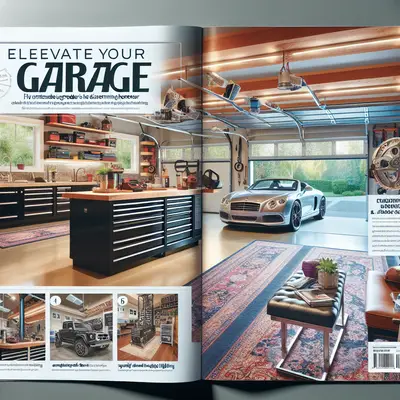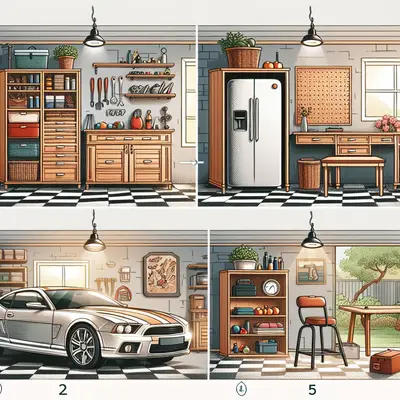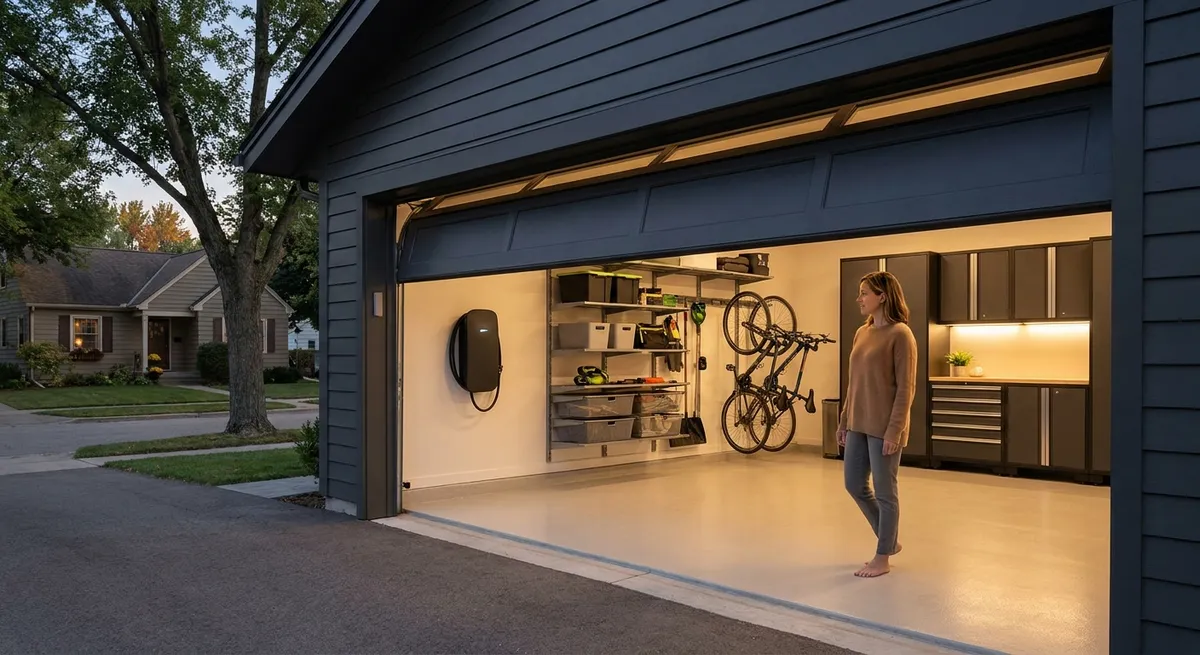
The most successful garage upgrades are rarely the loudest. They are the decisions that disappear into the background—yet you notice the absence of frustration, the ease of movement, and the quiet assurance that everything simply works. For homeowners who value refinement over spectacle, the garage is no longer a neglected utility zone; it is an extension of the home’s standards. This guide explores elevated, practical upgrades that anticipate problems before they appear and raise your everyday experience without shouting for attention.
Reimagining the Garage as a Performance Space
Think of your garage not as a storage afterthought, but as a finely tuned performance environment—one that must operate in silence, with precision, every single day. The door must open reliably in heat, cold, and sudden storms. The floor must resist stains and abrasions despite constant abuse. The lighting must reveal detail without glare and transform a dark bay into a workspace you actually enjoy.
When you consider the garage as a performance space, upgrades naturally become more intentional. Instead of trend-driven add-ons, you prioritize mechanical reliability, visual clarity, and subtle comfort. You assess how the space behaves: its temperature fluctuations, humidity levels, sound transmission to living areas, and how traffic flows from driveway to interior. This perspective reframes “repairs” as “refinements”—each adjustment is a calibrated improvement to how the room supports your life.
Below are five exclusive insights that speak to homeowners who expect more from their garage than merely a place to park.
Insight 1: Upgrade the Door System Like a Mechanical Timepiece
Your garage door is the largest moving object in your home, yet many treat it as an afterthought until it fails. A refined home treats the door system like a precision timepiece: every component must be balanced, correctly tensioned, and engineered for longevity.
Start with the drive system. Belt-drive openers, particularly those with DC motors and integrated soft-start/soft-stop technology, dramatically reduce vibration and noise. This matters when bedrooms or living spaces sit above or adjacent to the garage. A high-quality belt system, correctly installed, produces a low, controlled hum rather than a shuddering rattle.
Torsion springs are another underappreciated upgrade point. Instead of selecting the minimum required spring size, work with a professional to specify higher-cycle springs rated for more open/close cycles. This enhances safety and decreases the likelihood of sudden, inconvenient failure. Combined with properly balanced panels and correctly aligned tracks, the result is a door that feels almost weightless in operation.
Finally, consider intelligent integration. Modern openers with battery backup, encrypted wireless remotes, and app-based monitoring elevate both security and convenience. The most sophisticated systems don’t announce themselves with flashy interfaces; they simply ensure your garage door responds instantly, even during a power outage, and quietly logs every action for peace of mind.
Insight 2: Treat the Floor as an Engineered Surface, Not a Slab
Standard concrete floors soak up stains, telegraph every crack, and eventually contribute to a sense of fatigue every time you enter the garage. A truly refined garage treats the floor as an engineered surface: durable, deliberate, and resilient.
Professional-grade epoxy or polyaspartic coatings are worth serious consideration—not for their glossy look alone, but for their mechanical performance. A correctly prepared slab (crack repair, moisture testing, grinding rather than simple acid etching) paired with a high-solids coating creates a floor that resists chemicals, hot tire pickup, and heavy impacts. The finish becomes easier to clean, eliminates concrete dust, and visually transforms the room without resorting to decorative excess.
Color choice is a subtle but important detail. Mid-tone greys or warm neutrals with modest flake or aggregate provide enough visual texture to hide minor debris while still revealing spills or leaks from vehicles or equipment. This is a quiet safety feature: noticing a new fluid spot early can prevent far more expensive repairs down the line.
For those in colder climates, integrating in-slab radiant heating or pairing the coating with insulated thresholds and weatherstripping can elevate comfort dramatically. Stepping into a garage that is dry underfoot, warm enough to work year-round, and free of oil-stained concrete feels less like a utility zone and more like a private workshop.
Insight 3: Design Lighting for Precision, Not Just Brightness
The difference between “bright enough” and “beautifully lit” is the difference between seeing and perceiving. Most garages default to a single harsh fixture in the center of the ceiling, creating shadows where you actually need clarity—around vehicles, tools, and work surfaces.
Upgrading to a layered lighting plan transforms both function and perception. High-quality LED linear fixtures, positioned in parallel rows along the length of the garage rather than one central point, provide even distribution across vehicles and walking paths. Aim for a neutral white color temperature in the 4000K range: warm enough to be comfortable, cool enough to render detail accurately.
Task lighting then refines the experience. Under-cabinet LEDs above workbenches, low-glare fixtures near storage zones, and focused spots aimed at the garage door mechanisms make inspections and fine repairs effortless. The goal is balanced illumination with minimal glare and no dark corners—more akin to a professional workshop than a dim storage bay.
Finally, automated controls complete the upgrade. Motion-activated entry lighting, scenes programmable via smart switches, and gradual dimming rather than abrupt on/off transitions subtly align the garage with the rest of a modern, thoughtfully lit home. This is not about theatrics; it is about eliminating fumbling for switches with full hands and creating an environment that always feels prepared for you.
Insight 4: Prioritize Microclimate Control to Protect What You Store
The garage quietly shelters some of your most valuable assets: vehicles, tools, bicycles, seasonal equipment, even archival storage that overflowed the main house. Temperature and humidity, however, are often left unmanaged, leading to rust, warped materials, and accelerated wear.
An intelligent approach to garage microclimate starts with the envelope. Insulated doors with a high R-value, properly sealed bottom seals, weatherstripping around jambs, and insulated walls or ceilings dramatically reduce temperature swings. This is not merely a comfort upgrade—consistent conditions significantly extend the life of stored items and mechanical systems.
Next, consider ventilation and humidity. In many climates, humidity is more damaging than temperature. A modest but well-specified dehumidifier, combined with controlled mechanical ventilation or an energy recovery ventilator (ERV) where appropriate, can keep humidity in a range that discourages corrosion and mold. For garages that occasionally host vehicles brought in wet or salted from winter roads, this is particularly crucial.
Where space is conditioned, a dedicated, right-sized mini-split system allows for targeted heating and cooling without overtaxing the home’s primary HVAC. The refinement here is not about keeping the garage “luxury warm” year-round; it is about maintaining stability. The vehicles start more reliably in winter, tools remain rust-free, finishes stay true, and stepping into the garage never feels like entering a different climate zone.
Insight 5: Conceal Organization in Plain Sight
For homeowners who prize a clean, quiet aesthetic, the best garage organization looks nearly invisible. The objective is not a showroom-style display of gadgets but a serene, well-ordered space where everything has a precise home—without visual noise.
Wall systems are the foundation of this concept. Instead of open, sagging shelves, invest in modular, load-rated wall panels that accept hooks, baskets, and cabinets. The refinement comes in how these elements are curated: matching finishes, consistent handle styles, and deliberate zoning for automotive, garden, sports, and household categories. Closed cabinets conceal visual clutter; open rails handle frequently used, clean-lined items such as ladders or bikes.
Ceiling storage should be equally considered. Overhead racks, when professionally installed and anchored into structure rather than drywall alone, relieve floor congestion without turning the ceiling into a chaotic tangle. Reserve overhead zones for lightweight, seasonal items in matching bins with clear, discreet labeling systems. The space feels purposeful rather than improvised.
Finally, incorporate a small, dedicated repair station—even if compact. A narrow workbench with integrated power, a precision tool chest, and proper task lighting encourages small fixes to be handled immediately rather than deferred. In a refined garage, “I’ll deal with it later” becomes “I’ll resolve it now,” because the environment is designed to support quiet efficiency.
Conclusion
Exceptional garage upgrades are not about conspicuous transformation; they are about orchestrated improvements that make every interaction smoother, quieter, and more dependable. A balanced door system that feels weightless, a floor that shrugs off abuse, lighting that reveals detail without glare, air that protects your investments, and storage that disappears into the architecture—all of these choices reflect a homeowner who expects the garage to meet the same standard as the rest of the residence.
When repairs and upgrades are approached through this lens of refined performance, the garage stops being the place where compromises accumulate. It becomes a discreetly capable room that supports your life with the same calm assurance as a well-tuned engine: always ready, rarely noticed, and deeply missed if it were gone.
Sources
- U.S. Department of Energy – Residential Garage Doors – Guidance on energy-efficient door construction and insulation values
- International Association of Certified Home Inspectors – Garage Inspection Guidelines – Technical overview of safety, door systems, and mechanical standards in garages
- U.S. General Services Administration – Garage and Service Area Lighting – Best practices for lighting design, distribution, and efficiency in vehicle areas
- Penn State Extension – Concrete Floors and Moisture – Detailed discussion of slab preparation, moisture issues, and coatings performance
- ASHRAE – Residential Garage Ventilation (Research Report) – Professional resources on ventilation and indoor environmental quality considerations for garages
Key Takeaway
The most important thing to remember from this article is that this information can change how you think about Upgrades.