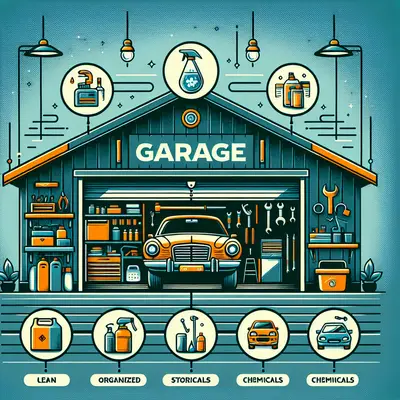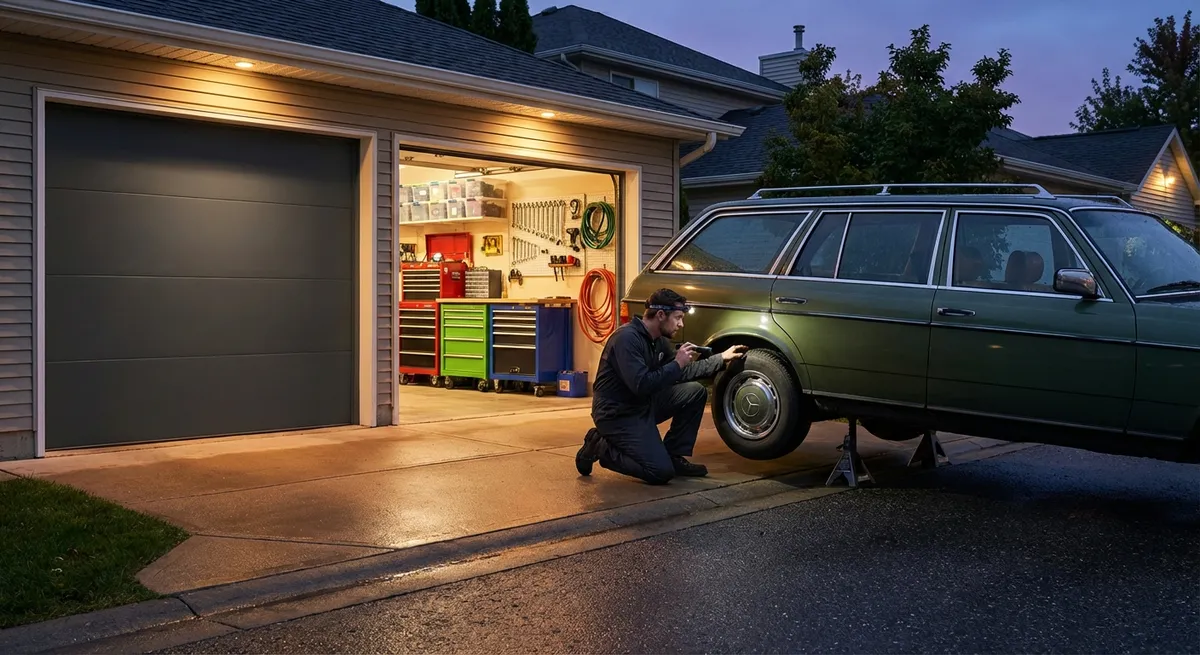
In many homes, the garage is the most mechanically complex entry point—and paradoxically, the least thoughtfully maintained. Yet for homeowners who value discretion, security, and reliability, the garage is not a utility space; it is a critical system that protects vehicles, collections, and the rhythm of daily life. Thoughtful maintenance is less about wiping down surfaces and more about managing risk: preventing costly failures, preserving finishes, and ensuring the space operates with the quiet assurance of a well-run household.
This perspective reshapes garage care from an occasional chore into a strategic practice. Below, you’ll find a refined approach to maintenance that favors foresight over reaction—anchored by five exclusive insights that discerning homeowners will recognize as the difference between a merely functioning garage and a truly dependable one.
Reframing Maintenance: From Chore to Protection Strategy
Treating the garage as a risk-management asset rather than a storage annex changes your decisions across the board. Every mechanical component—door springs, tracks, openers, seals, and floor coatings—either reduces or amplifies the likelihood of disruption and damage.
Begin with a quiet assessment: how does your garage sound and feel in operation? Does the door open with a controlled, consistent motion? Are there moments of hesitation, vibration, or sharp metallic noise? Subtle changes here are often early indicators of imbalance, misalignment, or lubrication failure long before an inconvenient breakdown.
The goal is not merely to keep things “working” but to create predictable behavior. That predictability safeguards vehicles from impact, protects climate-sensitive belongings, and preserves the comfort of those living above or adjacent to the garage. Consistency, in this context, is not cosmetic—it is structural peace of mind.
Insight 1: Use Sound and Vibration as Your Early-Warning System
Most homeowners wait for a visible failure: a crooked door, a frayed cable, a non-responsive opener. Sophisticated maintenance begins earlier, with sound and vibration audits.
Listen intentionally once a month as the door cycles open and closed. What you’re noting is not simply volume, but character:
- A low, even hum from the opener motor
- A soft, continuous rolling sound from the rollers
- Minimal resonance in adjacent walls, ceilings, or living spaces
New or changing noises matter: a light ticking during travel can indicate a developing roller flat spot; a brief metallic clank at the start of movement may hint at spring tension imbalance; resonant vibration in the ceiling could signal mounting issues or failing isolation hardware.
By cataloging these changes early, you can involve a professional before a component reaches failure. This subtlety is particularly important for high-cycle households—where the door may open and close dozens of times per day. In those environments, sound and vibration become as important as visual inspection, quietly preserving both safety and structural integrity.
Insight 2: Prioritize Hardware Integrity Over Cosmetic Interventions
Many garage projects begin with appearance: painted walls, floor coatings, sleek storage. Yet the true luxury is a system that never surprises you—especially with a stuck door on a stormy night or a trip to the airport.
Prioritize these mechanical essentials before investing in visible upgrades:
- High-quality torsion springs matched to actual door weight and usage patterns
- Sealed, ball-bearing rollers that maintain smooth travel and reduce track wear
- Reinforced hinges and brackets that resist deformation on heavier insulated doors
- Properly secured mounting points into structural framing, not just wall sheathing
Investing in this hardware foundation gives every other upgrade something reliable to rest on. A high-gloss floor or precision cabinetry loses its appeal if the primary entry system is unreliable, noisy, or unsafe. Premium households understand this: the true refinement is a space that simply works, quietly, every day, without negotiation.
Insight 3: Manage Moisture and Air Intrusion Like a Climate-Controlled Room
Most garages exist in a vague middle ground—neither fully interior nor fully exterior. Ignoring this ambiguity invites slow, expensive damage: rust on tools, moisture beneath tires, warping of stored wood, and premature failure of door components.
Instead, treat the garage as a moderated environment:
- Inspect and replace perimeter weatherstripping and bottom seals before visible cracking; effective seals reduce drafts, dust, pests, and water intrusion.
- Seal hairline slab cracks to minimize moisture wicking and protect against freeze-thaw damage in colder climates.
- Encourage controlled ventilation with a modest, well-placed exhaust fan or louver to manage humidity without introducing uncontrolled airflow.
- Elevate sensitive items (electronics, textiles, cardboard) above floor level to guard against incidental water or condensation events.
A drier, more stable garage climate extends the life of metal hardware, floor coatings, and stored items while making every visit to the space feel more composed and intentional. This is not about turning the garage into a showroom; it is about quietly eliminating the conditions that lead to corrosion, odor, and degradation.
Insight 4: Align Maintenance with Lifestyle, Not a Generic Calendar
Standard advice often suggests fixed intervals—“inspect annually” or “lubricate twice a year.” For a refined household, such generic prescriptions ignore reality. A family with two cars, multiple drivers, and daily commuting may cycle the door 15–20 times a day. A pied-à-terre or seasonal residence may see fewer than 10 cycles a week.
Instead of a static calendar, align maintenance with actual use:
- Count or estimate door cycles per day for a typical week.
- Classify your usage: low, moderate, or high cycle.
- For high-cycle doors, shorten lubrication, inspection, and professional tune-up intervals.
- For lower-use, second homes, include a full test cycle of the garage door and opener during each visit, specifically to avoid seals bonding to the floor, springs losing balance, or batteries quietly failing.
This usage-based approach means your garage care matches how you actually live—reducing the likelihood of sudden failure on the day you finally need the space to work perfectly.
Insight 5: Treat Professional Service as Precision Tuning, Not Emergency Rescue
The most elegant homes treat expert service as calibration, not crisis management. Garage systems are no different. A well-timed professional visit is less about “repair” and more about:
- Verifying door balance and spring tension for optimal opener load
- Confirming proper safety sensor alignment and auto-reverse force thresholds
- Inspecting cables, drums, and fasteners for subtle wear or deformation
- Adjusting travel limits and close force to align with current weatherstripping compression
Approach this the way you might maintain a performance vehicle: periodic expert tuning prevents unpredictable behavior and preserves the life of every component around it. Ask your technician to explain not just what they adjusted, but why: understanding your door’s condition helps you anticipate future decisions with composure, rather than urgency.
Building a long-term relationship with a reputable, well-reviewed local specialist means that when issues arise, you are not searching in haste. Instead, the person who understands your specific door, hardware, and usage patterns is already familiar with the system—and can act with precision rather than guesswork.
Conclusion
A sophisticated garage is rarely the result of a single dramatic upgrade. It is the cumulative effect of quiet, thoughtful decisions: listening for the early signals of wear, investing in structural components before cosmetics, regulating moisture and air like a true semi-interior space, matching maintenance to real-world usage, and engaging professional help as an ongoing partnership rather than a last resort.
When approached this way, garage maintenance becomes less visible—but far more valuable. The reward is not only a quieter door or a cleaner floor; it is the assurance that this essential part of your home will respond reliably, regardless of season, schedule, or circumstance. That quiet confidence is the true luxury.
Sources
- U.S. Consumer Product Safety Commission – Garage Door Safety - Outlines safety features, maintenance checks, and best practices for garage door systems
- International Association of Certified Home Inspectors – Garage Inspection Guidelines - Provides professional criteria for evaluating garage doors, hardware, and related safety components
- Minnesota Department of Health – Moisture in Buildings - Explains how moisture affects building materials and why controlling humidity in semi-conditioned spaces like garages matters
- University of Massachusetts Amherst – Concrete Floor Slab Cracks - Discusses slab moisture and cracking, relevant to preserving garage floors and managing water intrusion
- LiftMaster – Garage Door Maintenance Tips - Manufacturer guidance on routine garage door and opener care, including lubrication and safety testing
Key Takeaway
The most important thing to remember from this article is that this information can change how you think about Maintenance.