A garage door is more than a moving wall; it is the daily threshold between street and sanctuary. When it operates with a muted glide and decisive close, it sets the tone for your arrival and departure. When it hesitates, rattles, or fails, the entire rhythm of the home is disrupted. This article steps beyond generic maintenance tips to explore how discerning homeowners can tune, refine, and future‑proof their garage doors with the same care they apply to interiors and automotive investments. Below are five exclusive insights designed for those who expect more from every moving part of their property.
The Hidden Geometry: Why Alignment Is the First Sign of a Refined Door
Behind every quiet, confident garage door is careful geometry. Alignment is not simply a matter of “does it close”; it’s the foundation of smooth operation, motor longevity, and structural integrity. Even a few millimeters of misalignment can cause rollers to bind, hinges to twist, and tracks to wear unevenly—issues that often present first as subtle vibration, a slight scraping sound, or a faint “jump” as the door transitions between panels.
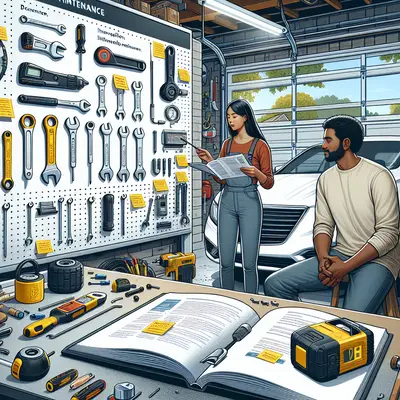
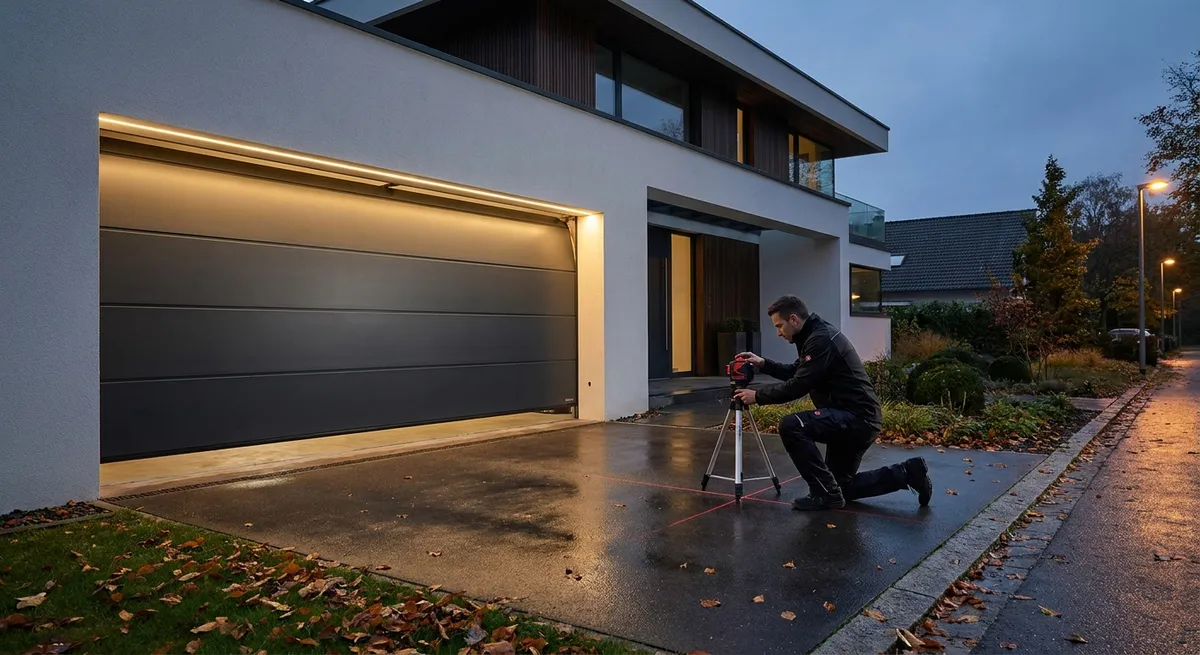
A refined approach starts with observing the door’s movement from multiple angles: front, side, and inside the garage with lights on. Look for gaps between the door and the frame, panels that do not sit flush, or a track that “wanders” away from the wall. Professional technicians will laser-check track plumb and level, measure panel squareness, and ensure torsion shaft positioning is exact rather than approximate. When alignment is properly corrected, homeowners often note that the opener suddenly seems “more powerful,” even though the motor is unchanged—because it is no longer wasting energy fighting friction. Proper geometry is the quiet sophistication your door should always embody, but almost never advertise.
Force, Not Just Noise: The Subtle Safety Calibration Most Homes Ignore
Many homeowners evaluate their garage door by two criteria: Does it open? Is it loud? Yet the most critical metric is one most people never test: how much force the system is applying when it encounters resistance. Modern openers are engineered with auto-reverse and force-sensing technology, but these safety features are only as good as their calibration. Over time, springs fatigue, rollers age, and the opener “learns” to work harder, often leading to dangerously high closing forces.
A sophisticated safety check includes two layers. First, the standard reversal test: placing a piece of wood (such as a 2x4) under the descending door to confirm immediate reversal on contact. Second, a more nuanced door balance and force test conducted with the opener disengaged. A properly balanced door should stay in place when lifted halfway and should not slam down or shoot upward when released. When balance and opener force are correctly tuned together, the system protects children, pets, and vehicles with understated reliability. This calibration is not a one-time event; it should be revisited after spring replacement, hardware upgrades, or any significant change to the door’s weight or configuration.
Acoustic Engineering at Home: Turning Harsh Mechanisms into Soft Motion
Most noisy garage doors are not “old”—they are unrefined. The difference between a harsh clatter and a controlled murmur is rarely just age; it is typically the cumulative result of neglected components, mismatched hardware, and low-grade materials. For homeowners accustomed to the quiet cabin of a luxury vehicle, the sharp metallic protest of a garage door is more than an annoyance—it’s an unnecessary downgrade to the arrival experience.
Acoustic refinement begins with hardware choice. Nylon rollers with precision ball bearings often outperform basic steel wheels by dramatically reducing track noise. Upgraded hinges, properly torqued fasteners, and high-quality torsion springs not only last longer but also vibrate less. Lubrication, too, should be deliberate: a premium silicone or lithium-based product applied sparingly to hinges, springs, and bearings—not indiscriminately sprayed over tracks, which should remain clean rather than greasy. For attached garages, consider opener technology: belt-drive openers with DC motors and soft-start/soft-stop logic can transform a jarring mechanism into a graceful, controlled motion that suits a calm, late-night return.
Material Intelligence: Matching Door Construction to Climate and Use
The most elegant garage door installations are those that feel inevitable—perfectly matched to climate, architecture, and routine. This harmony requires understanding how material and construction influence everyday performance. A door that is visually appropriate but thermally mismatched can lead to condensation, warping, or accelerated wear on mechanical parts as they contend with excess weight or seasonal shifts.
In colder or highly variable climates, insulated steel doors with a higher R-value can stabilize the garage environment, reducing stress on both vehicles and stored belongings, while easing the workload on adjacent living spaces. For coastal or high-humidity regions, corrosion-resistant hardware and finishes are non-negotiable, as salt air can rapidly degrade springs, cables, and fasteners. Homeowners who frequently use the garage as a primary entry should consider doors with robust panel skins, reinforced struts, and quality weatherstripping that maintains contact without dragging. This kind of material intelligence results in a door that not only looks correct today but also ages gracefully, requiring fewer intrusive repairs and offering consistent performance year after year.
Strategic Modernization: When to Repair, When to Upgrade, and Where to Invest
Not every issue merits a full replacement, and not every repair is a wise long-term investment. The most discerning homeowners approach garage door decisions the way they would evaluate mechanical work on a high-end vehicle: with a clear sense of what preserves value and what merely delays the inevitable. A door with fundamentally sound panels, track, and structural framing can often be brought to near-new performance through a comprehensive hardware refresh—springs, cables, rollers, hinges, and opener—rather than a total tear-down.
Conversely, a door with fatigued or cracked panels, chronic rust, or an opener lacking essential modern safety features (such as photoelectric sensors and rolling-code technology) is usually a candidate for strategic modernization. Consider a tiered approach: first, ensure safety (springs, cables, sensors, balance, and force settings); second, address reliability (rollers, hinges, opener quality, backup battery, surge protection); third, refine experience (noise reduction, smart connectivity, enhanced seals, and finishes). The result is a garage door system that does not simply “work,” but aligns with the broader standard of excellence set by the rest of the home.
Conclusion
A garage door operates at the intersection of structure, mechanics, and daily habit. When treated as a disposable utility, it will behave like one—loud, temperamental, and perpetually one step away from failure. When treated as a precision system worthy of calibration, thoughtful component choices, and intelligent upgrades, it becomes an asset: quiet, secure, and reassuringly predictable. By focusing on alignment, safety calibration, acoustic refinement, material suitability, and strategic modernization, homeowners can transform their garage doors from overlooked afterthoughts into impeccably tuned thresholds that honor both the vehicles they protect and the home they serve.
Sources
- U.S. Consumer Product Safety Commission – Garage Door Safety – Guidance on auto-reverse systems, sensors, and safety standards for residential garage doors
- International Association of Certified Home Inspectors – Garage Door Inspections – Technical details on alignment, balance, hardware, and safety testing procedures
- U.S. Department of Energy – Insulated Garage Doors and Energy Efficiency – Information on insulation, R-values, and how garage doors affect home energy performance
- Clopay Garage Doors – Material and Construction Options – Overview of door materials, insulation levels, and construction types from a major manufacturer
- LiftMaster – Garage Door Opener Safety & Features – Insight into modern opener technology, safety features, and noise-reduction considerations
Key Takeaway
The most important thing to remember from this article is that this information can change how you think about Garage Doors.