A garage door is more than a moving wall; it is a daily performance piece that frames how you arrive home and how you leave it. When it functions flawlessly, you barely notice it. When it misbehaves, it can dominate your morning, compromise security, and quietly diminish your home’s refinement. The difference between a temperamental door and a perfectly composed one often lies in details most homeowners never see—and most repair guides never mention.
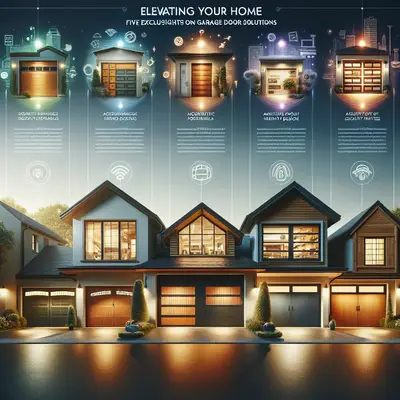
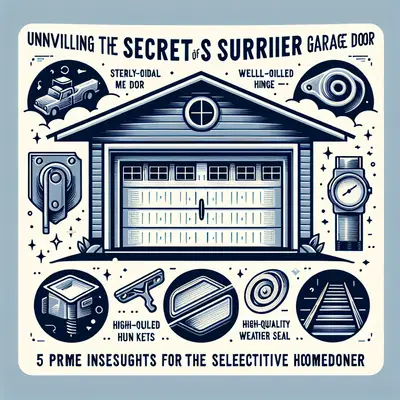
This article explores five exclusive, under‑discussed insights that elevate garage door care from basic troubleshooting to a disciplined, premium standard of performance.
Insight 1: The Sound of Your Door Is a Diagnostic Instrument
Most homeowners treat garage door noise as an irritation, not as data. A sophisticated approach does the opposite: it listens.
A well‑tuned garage door produces a low, even mechanical hum; any deviation from that “baseline sound” is an early signal. A sharp metallic clink at the start of travel can hint at loose hinge bolts or a misaligned opener trolley. Rhythmic thumping often points to flat spots on rollers or an unbalanced door. A grinding tone suggests metal‑on‑metal contact where nylon or properly lubricated steel should glide.
Record your door twice a year—once in cold weather, once in warm—using your phone. This gives you a personal “audio benchmark.” When a new, unfamiliar sound appears, you can replay old recordings and identify precisely when the change occurred, often catching issues long before they become visible or costly. Professionals routinely use sound to diagnose; adopting this habit at home is a quiet but powerful upgrade in how you manage repairs.
Insight 2: Balance Is the Hidden Currency of Door Longevity
Springs are often discussed, but true door balance—the relationship between door weight, spring tension, and opener force—is rarely understood. Yet it is the single most important factor determining how long your opener, cables, and hardware will last.
A correctly balanced door, when disconnected from the opener, should hover in place when lifted about halfway, without shooting up or slamming down. If it drifts, even slowly, your springs are no longer correctly counterbalancing the door’s weight. The opener then compensates by working harder, drawing more current, and stressing its internal gears. The result is a door that “still opens” but has quietly moved from well‑engineered system to controlled strain.
Treat balance as an annual precision check rather than an emergency repair. A reputable technician can measure door weight, match it to the correct spring size, and fine‑tune tension so your opener becomes a guide, not a lifter. This distinction is subtle but decisive: a properly balanced door can double the realistic lifespan of your motor and significantly reduce unexpected breakdowns.
Insight 3: Light, Sensors, and Safety Are a Single System—Not Separate Features
Many homeowners think of photo‑eyes (safety sensors), opener lights, and wall controls as separate conveniences. In reality, they form a safety ecosystem that deserves the same intentional design you might apply to a home security system.
Misaligned or dirty sensors are a common frustration, causing a door to reverse for “no reason.” Beyond cleaning the lenses, consider their positioning in relation to natural light and landscaping. Harsh sunlight at certain angles can create intermittent interference, especially during sunrise or sunset. Reflective surfaces, shiny garage floors, or even seasonal shadows from shrubs can trigger unpredictable behavior. Relocating sensors slightly or adjusting mounting angles can restore consistency without replacing parts.
Similarly, the opener’s built‑in light is not merely decorative. A strategically chosen LED bulb—one rated as “garage door opener compatible” to avoid radio interference—enhances both safety and perceived quality every time you enter. Pair this with a wall control placed at a height that small children cannot easily trigger, and you transition from a basic functional installation to a carefully considered entry system that respects both safety and aesthetics.
Insight 4: Materials and Microclimate Quietly Decide How Your Door Ages
Two homes on the same street can have dramatically different garage door performance simply because of microclimate—sun exposure, humidity pockets, and wind patterns around the house. Understanding that relationship can transform both repair decisions and upgrade choices.
A south‑facing steel door exposed to intense sun will experience more thermal expansion and paint fatigue, making high‑quality finishes and proper insulation more than a cosmetic choice. In coastal or high‑humidity areas, unchecked condensation inside the garage can accelerate corrosion on tracks, torsion bars, and bottom brackets—components that rarely receive visual attention until they fail. Even in dry climates, fine dust can infiltrate roller bearings and hinge pivots, turning smooth hardware into abrasive mechanisms over time.
When selecting replacement parts or planning a repair, align materials with your specific microclimate: galvanized or powder‑coated hardware in damp regions, insulated doors on harsh exposures, nylon rollers in acoustically sensitive homes, and properly sealed weatherstripping where wind‑driven rain is common. This level of intentionality is what separates short‑term fixes from a genuinely enduring, premium installation.
Insight 5: Your Opener Is Now a Smart Appliance—Treat It Like One
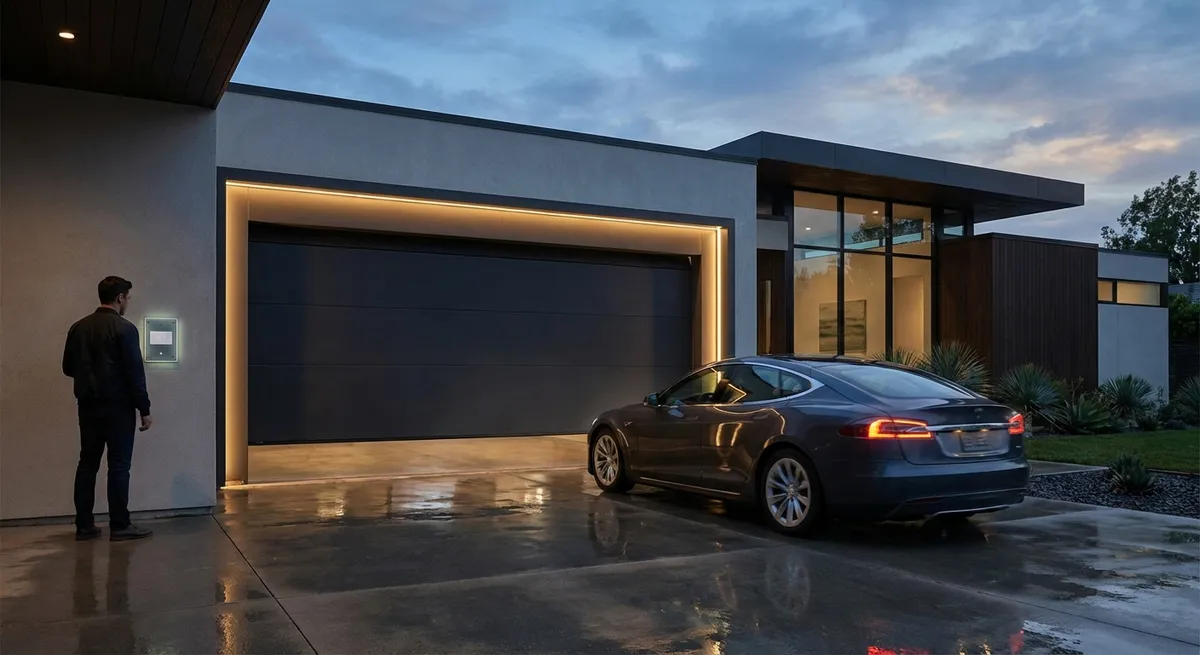
Modern garage door openers are no longer simple motors; they are connected devices that sit at the intersection of convenience, security, and reliability. Yet many homeowners run them as though they were decades‑old analog units, never updating, never configuring, and rarely backing up settings.
If your opener offers Wi‑Fi connectivity, app control, or integration with platforms like Apple Home, Google Home, or Amazon Alexa, take full advantage—but do so with discipline. Change factory default codes immediately, enable two‑factor authentication where available, and use unique credentials, just as you would for banking or email. Regularly update the opener’s firmware, which often brings not only security enhancements but more refined motion control and improved compatibility with LED bulbs and vehicles’ built‑in remotes.
Equally important is configuring alerts and activity logs. Receiving a discreet notification when your door is left open past a certain hour, or when it operates while you’re away, adds a level of situational awareness that rivals dedicated security hardware. When viewed as a smart appliance rather than a mere switch, the opener becomes a central piece of your home’s security posture—not just a convenience.
Conclusion
A refined garage door experience is not defined by the absence of breakdowns alone; it is defined by the quiet confidence that every component—mechanical, electronic, and digital—is working in harmony. Listening to your door as a diagnostic tool, insisting on precise balance, treating safety devices as a unified system, respecting the influence of your home’s microclimate, and elevating the opener to its rightful place as a smart appliance all contribute to a more resilient, sophisticated setup.
For homeowners who expect their garage to match the rest of the home in reliability, security, and discretion, these insights provide a framework that goes beyond basic “fixes.” They encourage a more intentional relationship with a system you use every day—often more than your front door—and ensure that each arrival and departure feels quietly, consistently correct.
Sources
- U.S. Consumer Product Safety Commission – Garage Door Safety - Official safety guidance on automatic residential garage door openers, sensors, and entrapment protection
- International Association of Certified Home Inspectors – Garage Doors & Openers - Technical reference on door balance, springs, and inspection best practices
- Cornell University – Noise, Sound, and Vibration Basics - Explains how changes in mechanical sound can indicate system problems
- U.S. Department of Energy – Insulated Garage Doors & Energy Efficiency - Details how garage door materials and insulation interact with climate and home efficiency
- FTC Consumer Advice – Online Security for Connected Devices - Guidance on securing Wi‑Fi and smart devices, relevant to connected garage door openers
Key Takeaway
The most important thing to remember from this article is that this information can change how you think about Garage Doors.