A garage door is more than a barrier between the street and your private world; it is a piece of daily architecture that should move with quiet certainty and refined precision. When it misbehaves—shudders, squeaks, hesitates, or refuses to close—it disrupts more than convenience; it undermines the sense of order that defines a well‑kept home. This guide explores how discerning homeowners can address garage door issues with solutions that are not merely functional, but elegantly executed.
Understanding the System Behind the Surface
A garage door is a carefully choreographed system: door sections, tracks, rollers, springs, cables, hinges, opener, safety sensors, and weather seals all interact in a tight mechanical ecosystem. When any one of these components is even slightly off, the whole experience degrades: the door groans, drags, or slams; the opener strains; the edges no longer seal cleanly against wind and dust.
Rather than treating symptoms in isolation—lubricating a noisy hinge here, tightening a loose bolt there—the more refined approach is to think in terms of system balance. Door weight, spring tension, track alignment, and opener force settings need to be in harmony. A properly tuned door moves with an almost weightless glide, requires minimal force from the opener, and settles into the closed position with a quiet, deliberate finality. This systems mindset is what separates quick fixes from enduring, elegant repair.
Exclusive Insight 1: Treat Noise as a Diagnostic Language, Not a Nuisance
Most homeowners experience garage door noise as an annoyance; sophisticated owners treat it as data. Different sounds correspond to specific mechanical issues, and learning to “listen” can help you address problems before they become costly failures.
A sharp metallic snap or ping often indicates a stressed or failing spring or hinge, whereas a low grinding rumble tends to originate from misaligned tracks or worn rollers. Rhythmic clacking may point to loose hardware—hinges, brackets, or track fasteners working slightly out of position. A chain‑drive opener that suddenly becomes louder can signal excess slack or a failing drive sprocket. By noting when the noise occurs—start of travel, mid‑lift, or final closing—you begin to map sound to specific stages of motion and components involved.
Instead of saturating everything with generic lubricant, a more elevated approach is to observe, isolate, and then address the precise source. That might mean replacing hardened steel rollers with high‑quality nylon versions, correcting track geometry by millimeters, or recalibrating opener force so it no longer fights a binding spot. The result is not only quiet operation, but a door that reveals nothing of the effort behind it.
Exclusive Insight 2: Spring Balance Is the Hidden Signature of a Well‑Tuned Door
Springs are the counterweights of your garage door, and their calibration defines how the entire system feels and sounds. When they are out of balance—even slightly—the opener becomes a compensator, struggling against a door that is effectively too heavy or too light for its intended design.
A properly balanced door can be lifted manually with one hand and should remain in place when stopped halfway. If it drifts downward, springs are under‑tensioned; if it rises on its own, they are over‑tensioned. Both scenarios stress the opener, accelerate wear, and can create subtle safety hazards.
Because springs are under high tension and can be dangerous to adjust, this is one realm where a premium repair experience is defined by precision and safety. A skilled technician will not only select the correct spring type and size for your door’s weight and dimensions, but also match them in pairs, calibrate turns to fine tolerances, and verify balance at multiple positions. Once set, the opener’s force and travel limits can be dialed down to gentler levels, resulting in quieter operation and significantly extended component life.
Exclusive Insight 3: Track Geometry and Roller Quality Define the Door’s “Feel”
Many homeowners focus on the opener as the heart of the system, but the true elegance of a garage door lies in its linear path and contact points: the tracks, rollers, and hinges. If the track geometry is even slightly distorted—bowed, twisted, or misaligned at the junction between vertical and horizontal sections—the door will resist movement, binding or scraping as it travels.
An elevated repair or upgrade pays close attention to three subtle details:
- Track Squareness and Plumb: The vertical tracks should be perfectly plumb, and the spacing from the door’s edge should be uniform from top to bottom. Minor deviation yields major friction.
- Smooth Transitions: The curve from vertical to horizontal track must be free of kinks and securely supported, ensuring the rollers transition without a jolt.
- Roller Selection: Upgrading from basic steel rollers to high‑grade nylon rollers with sealed bearings transforms the door’s motion. The movement becomes smoother, quieter, and requires less power.
This is where a meticulous adjustment—loosening mounting bolts slightly, realigning tracks by a few millimeters, then retightening in sequence—can be the difference between a door that merely operates and one that moves with a refined, almost architectural grace.
Exclusive Insight 4: Opener Settings Are as Important as Opener Brand
While opener branding and horsepower tend to capture attention, true refinement comes from how the opener is configured to interact with your particular door. Even a premium opener will feel crude if its force limits and travel settings are crude; conversely, a modest unit, smartly tuned, can elevate the entire experience.
Modern openers allow detailed adjustment of:
- Open/Close Force: When the force is set too high, the opener will push through resistance instead of recognizing an obstruction. When set correctly, the door stops gently when encountering even modest resistance, protecting people, vehicles, and the mechanism itself.
- Travel Limits: Properly set travel limits ensure the door neither slams into the floor nor hangs slightly open. A few millimeters of perfection here can eliminate light leaks, draughts, and strain on both seals and hardware.
- Soft‑Start and Soft‑Stop: Some higher‑end openers can be configured to ramp speed up and down, preventing harsh jerks at the beginning or end of travel.
A premium repair service won’t merely install or replace an opener; it will integrate it. That means matching the opener’s capabilities to the door’s weight, ensuring spring balance is correct first, and then performing fine‑tuned adjustments so the opener is working with the door, not against it. The end result is subtle: less vibration, reduced noise transmission into living spaces, and a door that opens and closes with composure.
Exclusive Insight 5: Weather Sealing and Light Control Are Quiet Luxury
A well‑sealed garage door is not only about keeping out rain; it shapes the entire micro‑climate and visual character of the space. Poor weather stripping and threshold seals allow wind, dust, insects, and street noise to infiltrate, while gaps around the perimeter project a sense of neglect whenever daylight seeps through edges that should be perfectly closed.
A more refined approach includes:
- Perimeter Seals: Upgrading to high‑quality, UV‑resistant side and top seals that remain flexible over time helps ensure a uniform, elegant shadow line when the door is closed—no streaks of light, no ragged edges.
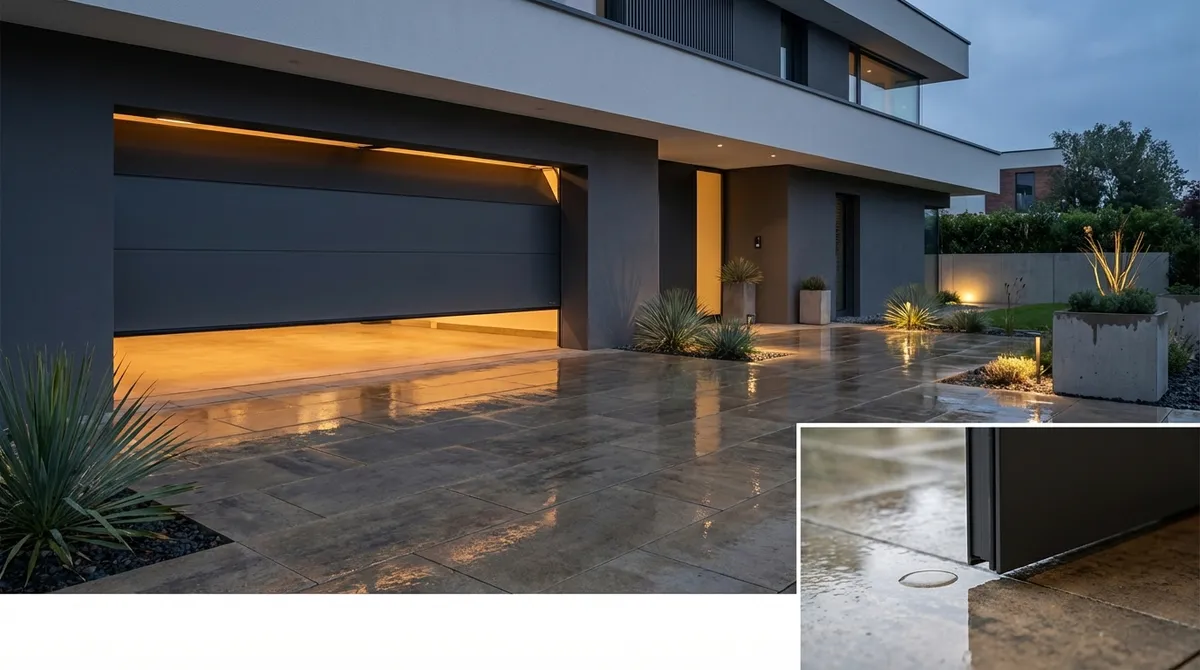
- Bottom Seal and Threshold: A properly chosen bottom seal—matched to the floor’s contour and combined with an optional threshold—can correct small slab imperfections and prevent water ingress. The visual effect: a clean junction between door and floor, free of visible gaps.
- Insulated Panels: For attached garages or spaces used as workshops or gyms, insulated door panels with proper seals deliver temperature stability and a quieter interior, both acoustically and aesthetically.
These details may seem minor, but collectively they elevate the garage from a purely functional volume to a controlled environment—cleaner, calmer, and better integrated with the quality of the rest of the home.
When to Insist on Professional Precision
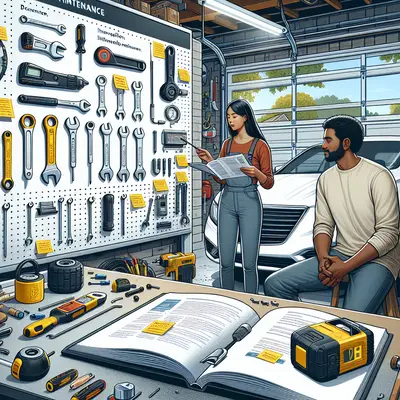
Certain aspects of garage door care suit a capable homeowner: gentle cleaning of tracks, visual inspection of hardware, and occasional lubrication of hinges and rollers with a proper non‑silicone, garage‑rated lubricant. However, springs, cables, and opener recalibration demand technical discipline and respect for safety.
A premium‑minded homeowner looks not just for the lowest repair quote, but for signs of craft: technicians who measure door weight rather than guessing spring size, who verify safety sensor alignment with test objects instead of assuming, who cycle the door repeatedly after adjustments to confirm consistent performance. This standard of care doesn’t simply resolve today’s issue; it establishes a baseline of reliability that can last for years.
Conclusion
A garage door should not merely “work.” It should close behind you with assurance, open with quiet confidence, and remain visually composed whether you are arriving home late at night or hosting guests on a bright afternoon. Achieving that level of refinement is less about extravagant upgrades and more about intelligent, precise attention to balance, alignment, sealing, and calibration.
By treating noise as a diagnostic language, insisting on properly balanced springs, perfecting track geometry and roller quality, fine‑tuning opener settings, and elevating weather sealing, you transform your garage door from a utilitarian slab of moving metal into a polished extension of your home’s character. The reward is subtle yet unmistakable: a daily entrance and exit that feels effortlessly, reliably, and quietly under control.
Sources
- U.S. Consumer Product Safety Commission – Garage Door Opener Safety - Guidance on safety features, force settings, and entrapment protection for residential garage doors
- International Door Association – Homeowner Garage Door Safety Tips - Professional association advice on maintenance, balance checks, and when to call a technician
- Clopay Garage Doors – How a Garage Door System Works - Detailed breakdown of components like springs, tracks, rollers, and openers
- LiftMaster – Garage Door Opener Owner’s Manuals - Technical references on adjusting force, travel limits, and safety sensors for modern openers
- Cornell University EHS – Machine Guarding and Mechanical Safety - Background on mechanical hazards and safe practices around moving, spring‑loaded systems
Key Takeaway
The most important thing to remember from this article is that this information can change how you think about Garage Doors.