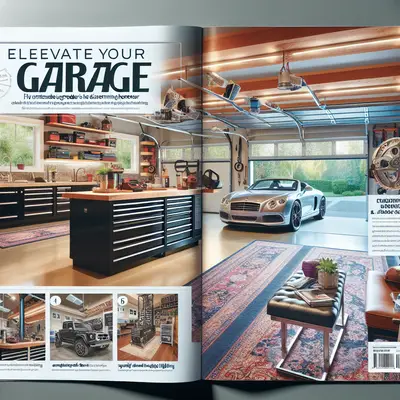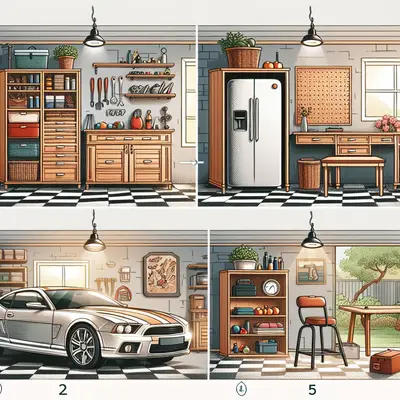
The most refined homes understand a simple truth: the garage is no longer a forgotten annex. It is part of the architectural envelope—an interface between street and sanctuary that deserves the same precision, quiet performance, and visual coherence as any other room. When thoughtfully upgraded, the garage becomes a climate‑aware buffer, a secure gallery for vehicles and equipment, and a discreetly integrated extension of the home’s design language. What follows is a sophisticated look at targeted upgrades—anchored in five exclusive insights—that reframe the garage as a finely tuned system rather than a mere storage zone.
Reframing the Garage as a Performance Envelope
Begin by considering the garage as an environmental “envelope” rather than a simple box with a door. This conceptual shift changes how you prioritize upgrades: air movement, thermal stability, moisture behavior, and light quality become just as important as hardware and finishes. Instead of focusing only on the visible door panel, examine the boundary lines—where concrete meets framing, where the garage meets living spaces, and where air leaks compromise both comfort and efficiency.
A performance‑oriented approach often starts with an assessment of infiltration: drafts at the door seals, gaps at the sill plate, and penetrations for electrical or plumbing services. Sealing these points with appropriate materials—closed‑cell foam, elastomeric sealants, and upgraded weatherstripping—allows your heating and cooling systems to work more efficiently and protects adjacent rooms from temperature swings and fumes. Upgrades to the door’s insulation value (R‑rating), wall insulation, and even the attic space above the garage can dramatically stabilize conditions. Instead of a harsh, fluctuating environment, you achieve a temperate, well‑controlled envelope that protects vehicles, stored items, and the home’s overall energy profile.
Insight 1: Treat Light as a Design Material, Not an Afterthought
Most garages are lit as though they were temporary sites rather than frequently used spaces. A single bare bulb or noisy fluorescent fixture does little to honor the vehicles, tools, and seasonal items you trust to this room. Upgrading lighting is not merely about brightness—it is about color accuracy, glare control, and visual comfort that matches the quality of the rest of the home.
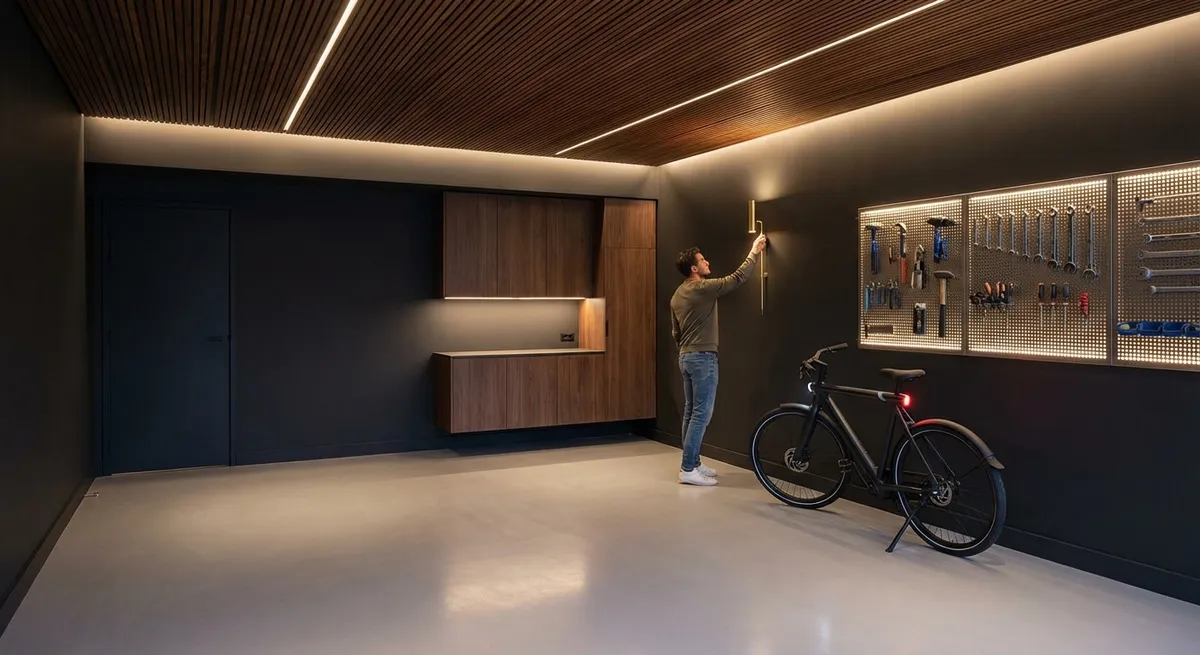
Contemporary LED fixtures with high color rendering index (CRI 90+), neutral color temperature (around 3500–4000K), and diffused lenses provide crisp, flattering light that makes surfaces, colors, and materials read correctly. Layered lighting—overhead general lighting, targeted task lighting over workbenches, and subtle vertical illumination at the perimeter—creates a refined, gallery‑like atmosphere. Integrating occupancy sensors and daylight harvesting (dimming fixtures in response to natural light) balances convenience with efficiency. Instead of a stark utility room, the garage becomes an elegantly lit transition space where finding a tool or inspecting a car’s finish is effortless and visually satisfying.
Insight 2: Elevate the Floor from Slab to Surface
The garage floor is traditionally tolerated rather than designed—stained concrete, hairline cracks, and accumulated dust that feels at odds with a carefully maintained home. Treating the floor as a deliberate surface dramatically changes both perception and performance. Professional‑grade coatings, tiles, or polished concrete transform the experience underfoot while providing tangible benefits in durability and maintenance.
Epoxy or polyaspartic coatings, when installed over properly prepared concrete, create a seamless surface that resists oil, road salts, and chemical spills. High‑build systems with broadcast flakes or quartz aggregates add texture and visual depth while reducing slip risk. For homeowners who prefer a more architectural aesthetic, polished and densified concrete with subtle tinting achieves a matte, stone‑like finish that feels closer to an interior gallery than a workshop. Modular garage floor tiles—particularly those with open‑grid design—channel moisture away and simplify future changes or repairs. The key is to select a system that respects the home’s overall palette and withstands the thermal cycling and load demands typical of vehicle storage. A carefully upgraded floor quietly signals that this space is curated, not improvised.
Insight 3: Engineer Quiet Operation as a Core Luxury
Noise is one of the most underestimated forms of friction in daily life. A clattering, vibrating garage door undermines the sense of calm you cultivate elsewhere in the home. Treating quiet operation as a non‑negotiable luxury turns the door system into a refined mechanism rather than a disruptive machine.
Upgrading from a chain‑drive opener to a belt‑drive or direct‑drive system is often the most immediate improvement, significantly reducing vibration and mechanical noise. Coupled with a DC motor, soft‑start/soft‑stop functionality, and properly tuned torsion springs, the door can operate with a muted, controlled motion that feels more like a well‑engineered appliance than industrial gear. Additional refinement comes from nylon rollers, upgraded hinges, and vibration‑isolating mounts that prevent sound from transferring into the framing and adjacent living spaces. When these details are addressed holistically, the garage door shifts from an event that announces itself to the neighborhood to a nearly silent, private movement understood only by those who live there.
Insight 4: Turn Storage into an Architectural System
Garage storage is often an accumulation of mismatched shelves, leaning ladders, and stacked bins—functional but visually restless. To align the garage with a premium home, storage should read as an integrated architectural system, not an afterthought. This does not require excessive ornamentation; it requires coherent lines, concealed hardware, and deliberate zoning.
Wall‑mounted track systems, high‑capacity cabinets, and overhead racks can be specified in finishes that echo the home’s interior millwork or exterior accents—muted grays, warm whites, or dark bronze tones rather than bright primary colors. Full‑height cabinets with minimal hardware conceal visual clutter, while open sections can be reserved for frequently accessed items. Vertical zoning (heavy, seldom‑used items higher; everyday items at chest height; hazardous materials locked and low) creates a logic that is both safe and intuitive. Integrating charging zones for cordless tools, a dedicated tire or sports equipment bay, and discreet recycling stations transforms the garage from storage chaos to a well‑ordered utility suite. The result is a space in which everything has a specific, well‑considered place.
Insight 5: Integrate Safety and Technology Without Visual Noise
Sophisticated garages do not advertise their security or technology; they embody it quietly. Cameras, sensors, and access controls should support safety and convenience without cluttering sightlines. The objective is a technologically advanced garage that still feels calm, orderly, and visually restrained.
Modern openers with integrated Wi‑Fi, battery backup, and encrypted remote systems offer robust security without separate, obtrusive devices. Smart locks on side doors, integrated with the home’s broader access control system, maintain a single, secure ecosystem. Discreet smoke and carbon monoxide detectors—ideally hard‑wired with battery backup—provide critical protection, especially in garages attached to living spaces. For electric vehicle owners, a thoughtfully placed Level 2 charger, cable management system, and dedicated circuit turn charging into a seamless, nightly ritual instead of a tangle of cords. By routing wiring cleanly, choosing devices with understated aesthetics, and consolidating controls into a minimal wall zone or app interface, the garage remains serene while quietly coordinating its own safety and operation.
Conclusion
An elevated garage is not defined by spectacle but by coherence: acoustics that calm rather than startle, light that reveals rather than glares, surfaces that perform under real‑world demands, and technology that protects without shouting. When you treat the garage as a performance envelope and apply these five insights—considerate lighting, upgraded flooring, engineered quiet, architectural storage, and discreetly integrated safety—you convert a purely functional volume into a quietly sophisticated extension of the home. The upgrades are not about ostentation; they are about alignment, where every detail, seen and unseen, supports a more graceful daily experience from driveway to door.
Sources
- U.S. Department of Energy – Energy Saver: Attached Garages and Indoor Air Quality – Explains how garages affect home air quality and energy performance, informing envelope and sealing upgrades.
- U.S. Department of Energy – Energy Saver: Lighting Choices to Save You Money – Covers efficient, high‑quality lighting options and principles relevant to elevating garage illumination.
- Consumer Reports – Guide to Garage Floor Coatings – Provides an overview of epoxy, tiles, and other floor systems, including durability and maintenance considerations.
- Occupational Safety and Health Administration (OSHA) – Garage Ventilation and Vehicle Exhaust – Discusses risks associated with vehicle exhaust and the importance of ventilation and safety measures in enclosed garages.
- International Association of Certified Home Inspectors (InterNACHI) – Garage Inspection Guidelines – Details common safety, structural, and mechanical considerations that inform high‑standard garage upgrades.
Key Takeaway
The most important thing to remember from this article is that this information can change how you think about Upgrades.