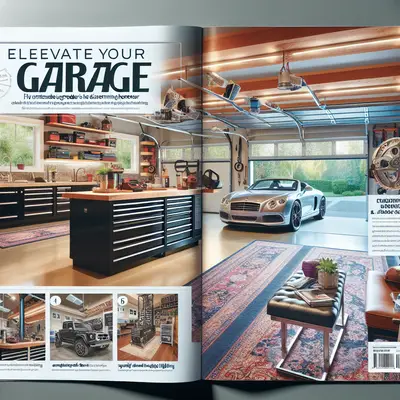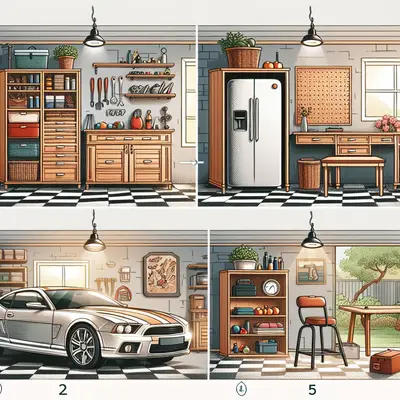
The most rewarding garage upgrades are rarely the loudest. They are the quiet refinements that transform a transitional space into a composed, high‑performing extension of the home. For discerning homeowners, the objective is not spectacle; it is seamless function, longevity, and a sense of order that feels as intentional as the rest of the residence. This guide explores understated yet impactful upgrades crafted for those who expect their garage to work as elegantly as it looks—complete with five exclusive insights that make living with a garage notably more effortless.
Reimagining the Garage as a Precision Environment
A well‑considered garage begins with the environment itself: temperature, humidity, light, and sound. Instead of treating it as an afterthought, elevate it to the same standard as a well‑appointed utility or mudroom.
Insulated walls, doors, and ceilings do more than temper seasonal extremes; they protect stored items, improve energy efficiency, and provide a more stable setting for tools, paints, and vehicles. Adding a quiet, variable‑speed ventilation fan or a modest mini‑split climate system can prevent condensation, safeguard finishes, and make the space genuinely usable year‑round.
Lighting should transition from a single glaring bulb to layered illumination: high‑CRI LED fixtures for general light, focused task lighting over benches, and subtle perimeter lighting to reduce harsh shadows. The result is a space where you can inspect finishes, read labels, and work precisely without visual strain.
Sound control is an often‑overlooked refinement. Strategic use of acoustic panels or insulated door seals can soften both interior echoes and exterior noise, creating a more composed environment that feels less like a storage bay and more like a purposeful room with a distinct character.
Surfaces That Behave as Well as They Look
In a premium garage, surfaces must be both beautiful and unbothered by use. This means selecting materials that reward maintenance, not demand it.
High‑quality floor systems—such as professionally applied epoxy or polyaspartic coatings—offer stain resistance, easier cleaning, and visual clarity that a bare concrete slab cannot match. The right finish also improves safety with appropriate slip resistance and better visibility of spills or dropped tools. For many homeowners, a subtly mottled or flaked finish conceals minor dust and wear while conveying quiet refinement.
On the vertical planes, moisture‑resistant drywall or cement board finished in a satin or eggshell paint stands up better to incidental scuffs and humidity. In areas exposed to heavier use, consider low‑profile wall panels or high‑density slat systems that add a refined, architectural texture while creating flexible storage without looking utilitarian.
Even thresholds and transitions deserve attention. A neat, flush threshold between driveway and garage, protected by an appropriate sealant, prevents water intrusion and trip hazards, while neatly finished base trim or cove base around the perimeter sharpens the entire appearance and simplifies sweeping and mopping.
Storage That Prioritizes Order Over Volume
A premium garage is defined less by how much it can hold and more by how easily everything can be found, accessed, and returned. The true upgrade is a storage system that feels curated rather than crowded.
Built‑in cabinetry—preferably full‑height and closed—instantly removes visual clutter. Opt for durable, furniture‑grade finishes with concealed hinges and smooth, soft‑close hardware. Inside, configure adjustable shelves, dividers, and labeled bins to support a specific logic: automotive care in one bay, seasonal décor in another, tools and hardware in a dedicated module.
Ceiling‑mounted storage, when executed thoughtfully, can carry seldom‑used but bulky items without crowding the room. The key is disciplined placement: above the garage door or around the perimeter, avoiding the central visual field and leaving generous headroom. Reinforced racks, properly anchored into framing and not just gypsum, ensure that overhead storage remains a comfort, not a concern.
Wall‑based storage for frequently used items—slatwall or rail systems with premium hardware—keeps essentials within reach while preserving floor space. When hooks and accessories are chosen as deliberately as cabinet pulls in a kitchen, even practical tools can feel like part of an intentional composition.
Exclusive Insight #1: Design to the “90‑Second Rule”
Configure storage so that any item you use regularly (from a torque wrench to a leaf blower) can be retrieved and put away in under 90 seconds without moving more than one thing out of the way. This single design constraint naturally leads to better layout decisions and prevents slow drift into chaos.
Intelligent Door Systems That Fade into the Background
The garage door system is both the primary interface with the exterior and, too often, a source of annoyance—noise, vibration, misalignment, or erratic behavior. Elevating it involves more than replacing a motor; it requires treating the door as a precision assembly.
A well‑balanced door, properly tensioned and lubricated, reduces strain on the opener and extends its life. Consider low‑maintenance, insulated doors with reinforced hardware and high‑quality weatherstripping to improve thermal performance and sound isolation. The aesthetic should complement the home’s architecture, but the mechanical behavior is what determines daily satisfaction.
Modern openers offer soft‑start and soft‑stop operation, significantly reducing jolts and noise. Belt‑drive or direct‑drive units, especially DC motor models, operate with a smoothness that feels almost mechanical‑watch‑like compared to older chain drives. Thoughtfully placed safety sensors and wall controls, along with battery backup and intelligent self‑monitoring, reduce the likelihood of unpleasant surprises.
Exclusive Insight #2: Treat Noise as a Diagnostic, Not a Nuisance
Changes in sound—new rattles, sharper impacts, or a different pitch—are often the earliest indicators of misalignment, worn rollers, or opener strain. Recording a brief audio clip when the door is operating well offers a baseline; deviations from that sound profile can guide timely, targeted service before a small issue becomes a major repair.
Power, Charging, and Tool Infrastructure That Anticipates Tomorrow
Many garages now function as the technical backbone of the home—housing EV chargers, battery systems, compressors, and sophisticated power tools. A premium upgrade approach ensures the electrical and mechanical infrastructure is ready for both current and future demands.
This begins with a thoughtful electrical plan: dedicated circuits for high‑draw equipment, GFCI and AFCI protection where required, and sufficient capacity for at least one EV charger, even if you do not yet own an electric vehicle. Strategically placed outlets at bench height, along walls, and near potential charging locations reduce reliance on extension cords and create a tidier, safer environment.
For those who rely on powered tools, compressed air, or dust collection systems, routing these utilities with concealed or semi‑concealed lines preserves visual calm. Wall‑mounted hose reels and retractable power reels keep cords and hoses accessible yet controlled.
Exclusive Insight #3: Specify “Zones of Use” Before Adding Any Outlets
Plan the garage into distinct functional zones—vehicle bay, detailing area, bench and tool area, garden equipment, and so on—before an electrician installs a single outlet. This spatial clarity ensures that every receptacle, light, and switch aligns with real habits and workflows, rather than being scattered arbitrarily.
Safety and Resilience as Luxury, Not Compromise
The most luxurious garages feel secure, predictable, and prepared. This involves subtle but important layers of safety and resilience built into the design.
Fire safety is non‑negotiable. Where applicable, maintaining a proper fire‑rated separation between garage and living space, ensuring self‑closing entry doors, and verifying that any penetrations are sealed with appropriate materials create a quieter kind of assurance. Proper storage for fuels, chemicals, and flammable materials—preferably in ventilated metal cabinets—adds another level of protection.
Non‑slip floor finishes, well‑marked steps or level changes, and carefully positioned lighting at entry points reduce the risk of falls. Where water ingress is possible, floor slope, drains, and door seals should be evaluated and refined to handle heavy rain or snowmelt gracefully.
Security upgrades can remain discreet: upgraded locks, reinforced strike plates, door sensors integrated with a home security or smart‑home system, and thoughtfully placed cameras. The objective is not a fortress aesthetic but a calm confidence that the space is safeguarded.
Exclusive Insight #4: Design for “Failure Gracefully,” Not Perfection
Assume that at some point the power will fail, a drain will clog, or a storm will drive water toward the door. Adding manual door releases that are easy to operate, emergency lighting, slightly elevated storage for vulnerable items, and modest containment (like a subtle curb at the perimeter) means that when something goes wrong, it does so in a controlled, manageable way.
Maintenance That Feels Effortless, Not Obligatory
Even the most refined garage fails without maintenance, but an intelligent upgrade strategy makes caretaking almost invisible.
Choose finishes and systems that tolerate routine neglect yet reward periodic attention: sealed floors that clean quickly with a simple mop, hardware that needs only occasional lubrication, and lighting with long‑life, high‑efficiency LEDs. Store maintenance essentials—lubricants, touch‑up paint, spare bulbs, and basic tools—in a designated, clearly labeled drawer or cabinet.
A semi‑annual “garage audit” can be anchored to predictable events: the first warm weekend of spring and the first cool weekend of autumn. These sessions focus on three tasks: inspecting moving parts (rollers, hinges, tracks), confirming safety features (sensors, locks, GFCIs), and resetting order (donations, disposal, re‑labeling).
Exclusive Insight #5: Use “Micro‑Routines” Instead of Major Overhauls
Build 3‑ to 5‑minute routines into existing habits: a quick floor sweep after washing the car, a visual check of door hardware after taking out the trash, or relabeling a bin when you notice something out of place. These tiny, nearly invisible behaviors prevent the need for disruptive, full‑day cleanouts and keep the space consistently composed.
Conclusion
A garage that has been thoughtfully upgraded does more than store vehicles and belongings; it supports a more refined way of living. It opens and closes without drama, maintains a stable environment for what you choose to keep, and remains quietly ready for whatever the day requires. By focusing on precise environmental control, disciplined storage, intelligent door systems, future‑ready infrastructure, and graceful resilience, homeowners can transform a commonly overlooked space into one of the most quietly satisfying areas of the home—where every detail is intentional, and every interaction feels composed rather than improvised.
Sources
- U.S. Department of Energy – Insulation and Air Sealing - Guidance on insulation strategies that apply directly to improving garage comfort and efficiency
- International Association of Certified Home Inspectors – Garage Inspection Checklist - Detailed reference on safety, separation, and structural considerations in residential garages
- Consumer Product Safety Commission – Garage Door Safety - Authoritative information on safe operation and maintenance of automatic garage door systems
- Environmental Protection Agency – Indoor Air Quality Basics - Background on ventilation and air quality principles relevant to enclosed garage spaces
- U.S. Department of Energy – Electric Vehicle Charging at Home - Official guidance on planning circuits and infrastructure for EV chargers in residential garages
Key Takeaway
The most important thing to remember from this article is that this information can change how you think about Upgrades.