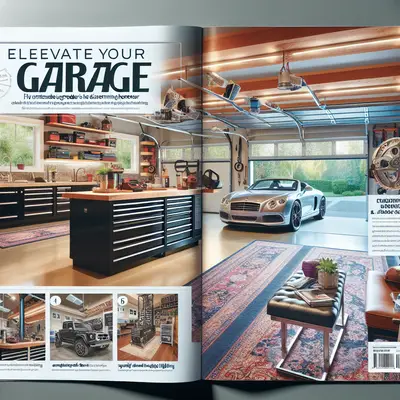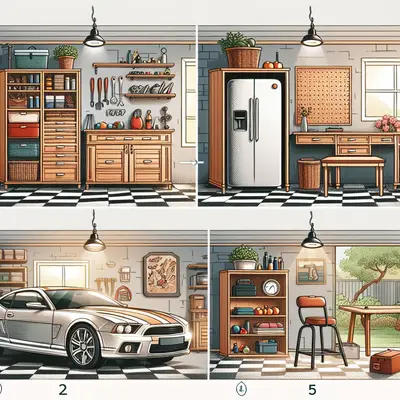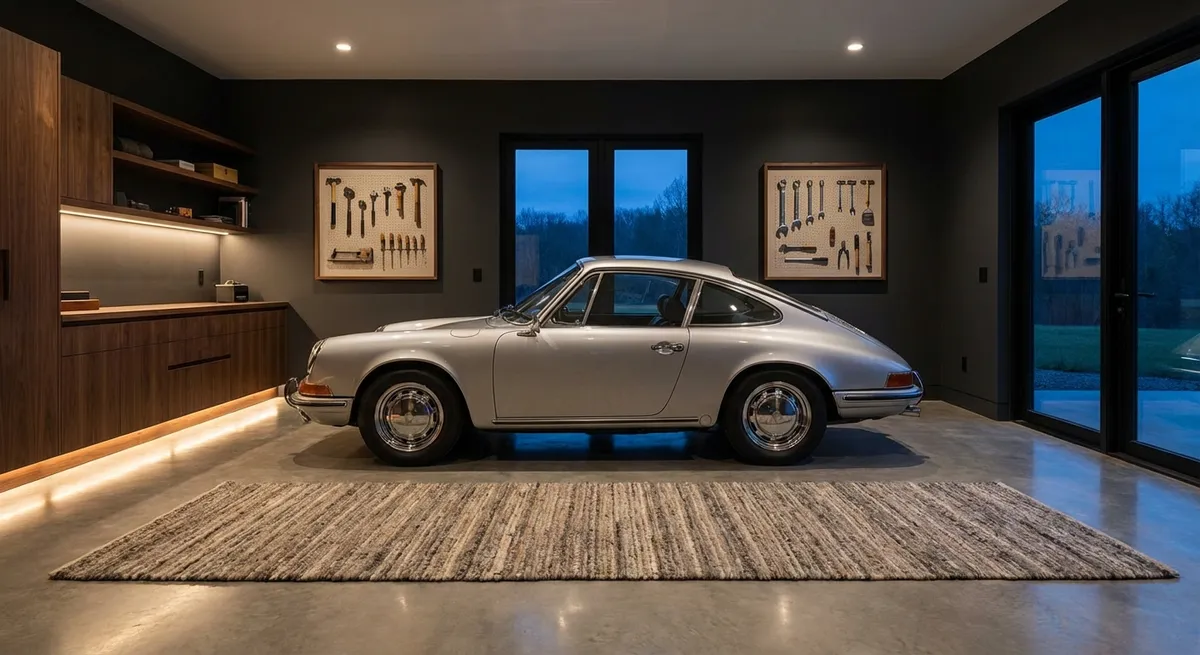
The most successful garage upgrades are rarely the loudest. They are the decisions that feel inevitable once installed—solutions that enhance function, refine aesthetics, and extend the life of every moving component without shouting for attention. For homeowners who expect their garage to perform with the same quiet assurance as the rest of their residence, the right upgrades transform the space from utility zone to considered extension of the home.
Below, we explore a suite of upgrades tailored for discerning homeowners, with five exclusive insights woven throughout—details that elevate your garage beyond standard “fixes” into lasting, well‑engineered improvements.
Reframing the Garage as a Performance Space
Most garages are treated as storage; the refined garage behaves more like a performance environment. Every system—from the door’s counterbalance to the lighting design—should respond predictably, quietly, and efficiently.
Upgrading the garage begins with a shift in perspective: the garage is a primary entry for most households, often used more than the front door. That reality demands finishes and mechanics that can handle daily use without degrading quickly or introducing noise, drafts, or misalignment. Rather than chasing cosmetic fixes alone, sophisticated upgrades start with structural and mechanical integrity, then layer in comfort, security, and visual harmony.
Exclusive Insight #1: Treat the garage door as engineered equipment, not just a façade. Once you approach it as a calibrated system—springs, tracks, rollers, seals, opener, and controls—your upgrade decisions become more precise and more durable.
Hardware and Balance: The Precision Foundation
The most elegant garages do not rattle, jerk, or protest each cycle. That refinement begins with the door’s mechanical fundamentals: torsion springs, tracks, hinges, and rollers.
Premium ball‑bearing nylon rollers, correctly sized and aligned, can dramatically reduce noise and friction compared with standard plastic or steel rollers. High‑gauge steel tracks, properly anchored and plumb, prevent the subtle torsion that eventually leads to binding or uneven wear. Torsion springs, when matched to the exact door weight and configuration, keep the system in balance so the opener is guiding the door rather than straining to lift it.
A common missed opportunity is hardware harmonization: mixing old and new components without recalculating the system load. Replacing only the opener, for instance, while leaving fatigued springs and undersized rollers in place will shorten the life of your new investment.
Exclusive Insight #2: Demand a balance test after any major hardware upgrade. A properly balanced door should stay in place when lifted halfway by hand. If it drifts significantly up or down, the springs and system calibration are not truly dialed in—no matter how new the other components are.
Thermal Comfort and Envelope Control
If your garage shares walls with conditioned living space, its thermal performance directly affects comfort and energy costs. Modern insulated doors, combined with upgraded weatherstripping, can make the garage feel less like an exterior outbuilding and more like a controlled buffer zone.
Insulated steel or composite doors with high R‑values reduce heat transfer and help stabilize temperatures. Perimeter seals, bottom astragals (the flexible bottom seal), and, where appropriate, threshold seals on the floor work together to limit drafts, dust, and moisture ingress. For garages in climates with significant temperature swings, wall and ceiling insulation—paired with a properly installed vapor barrier—can protect stored belongings and reduce stress on HVAC systems in adjacent rooms.
The aesthetic element is equally important: insulation does not have to look industrial. Many premium insulated doors offer clean interior finishes, concealed fasteners, and panel designs that echo interior millwork or exterior trim.
Exclusive Insight #3: Prioritize the bottom seal and floor interface before investing in higher‑end insulation. A compromised threshold—cracked slab, sunken section, or deteriorated seal—often accounts for a disproportionate share of drafts and water intrusion. Correcting this transition dramatically improves comfort and extends the life of everything stored at floor level.
Intelligent Operation: Discreet Controls and Smart Integration
Modern openers can do far more than raise and lower the door. When chosen and configured carefully, they support a more secure, quieter, and better‑managed home.
Belt‑drive openers with DC motors and soft‑start/soft‑stop functions reduce vibration transmission into living areas, especially in homes with rooms above the garage. Smart connectivity allows you to verify door status remotely, grant temporary access to service professionals, and receive alerts if the door is left open. Integrated battery backup ensures reliable operation during power outages, particularly valuable in regions prone to storms or grid instability.
Beyond the opener itself, the interface matters. Wall consoles with motion‑activated lighting, discrete keypads matched to exterior finishes, and unobtrusive in‑vehicle controls all contribute to an elevated experience.
Exclusive Insight #4: Configure “events,” not just controls. Instead of simply pressing a button to open or close the door, pair the garage with scenes—lights activating with motion, door use logging to your phone, and specific schedules for auto‑closing at night. This transforms the garage from a passive space into an actively managed threshold for the home.
Surfaces, Storage, and the Quiet Order of the Floor
A truly upgraded garage feels calm and intentional the moment the door opens, and the floor is the canvas on which that impression is built. High‑quality, professionally installed coatings—such as multi‑layer epoxy or polyaspartic systems—offer chemical resistance, UV stability, and a refined, seamless appearance. Proper surface preparation is non‑negotiable; diamond grinding or shot‑blasting ensures the coating bonds to the concrete rather than sitting on dust or laitance.
Vertical space should be curated, not cluttered. Wall‑mounted track systems, cabinetry with concealed hinges and soft‑close features, and overhead storage designed to clear door travel all impose visual order and protect mechanisms from accidental interference. When storage is intelligently planned—keeping heavier, less frequently used items above and away from pathways—the space functions both as a workshop and a discreet staging area for the home.
Exclusive Insight #5: Design storage around the door’s moving envelope, not just the wall surface. Before installing any cabinets, racks, or ceiling storage, map the exact travel path of the door and opener hardware. This ensures that every bin and bracket is placed where it will never vibrate against, obstruct, or visually crowd the door’s movement.
Lighting, Acoustics, and Human Experience
The most refined garages respect how people feel in the space, not just how machines operate. Thoughtful lighting is one of the most transformative upgrades and is too often an afterthought. Replacing a single bare bulb with a layered lighting strategy—overhead LED panels for ambient light, task lighting over benches, and targeted fixtures near entry points—creates clarity and safety while elevating the visual character of the entire room.
Acoustic comfort also matters. While full soundproofing is rarely necessary, strategic application of absorptive materials—acoustic panels on discrete wall sections, insulated garage doors, and resilient mounting of openers and tracks—can significantly reduce noise transmission into bedrooms or living areas. Soft materials introduced via rugs in transition zones or padded bumpers on walls can soften the sonic edge of everyday use.
Attention to details like color temperature (warmer light near house entries, neutral white near work areas) and glare control makes the garage feel more like a considered room and less like a service corridor.
Conclusion
A well‑upgraded garage does not depend on spectacle. It succeeds through precise mechanics, controlled environments, intelligent operation, orderly storage, and a respect for human comfort. When these elements are addressed with care and technical rigor, the garage shifts from a tolerated utility to a quietly indispensable part of the home’s daily rhythm.
By focusing on balance testing, threshold refinement, smart event configuration, and storage designed around the door’s movement, homeowners can achieve a level of performance and polish that feels both understated and exceptional. The result is a space that works as smoothly as it looks—reliably, quietly, and with the kind of confidence that defines a truly well‑kept home.
Sources
- U.S. Department of Energy – Insulation and Air Sealing – Guidance on insulation, air sealing, and improving envelope performance for attached spaces
- International Association of Certified Home Inspectors – Garage Inspection Guidelines – Technical details on door balance, hardware, safety components, and best practices
- Clopay Garage Doors – Insulated Door Information – Manufacturer overview of insulated door benefits, R‑values, and comfort considerations
- LiftMaster – Smart Garage Door Opener Features – Examples of modern opener capabilities, connectivity, and safety features
- Sherwin-Williams – Concrete and Garage Floor Coatings – Information on professional‑grade floor coating systems and surface preparation
Key Takeaway
The most important thing to remember from this article is that this information can change how you think about Upgrades.